


Share
Introduction
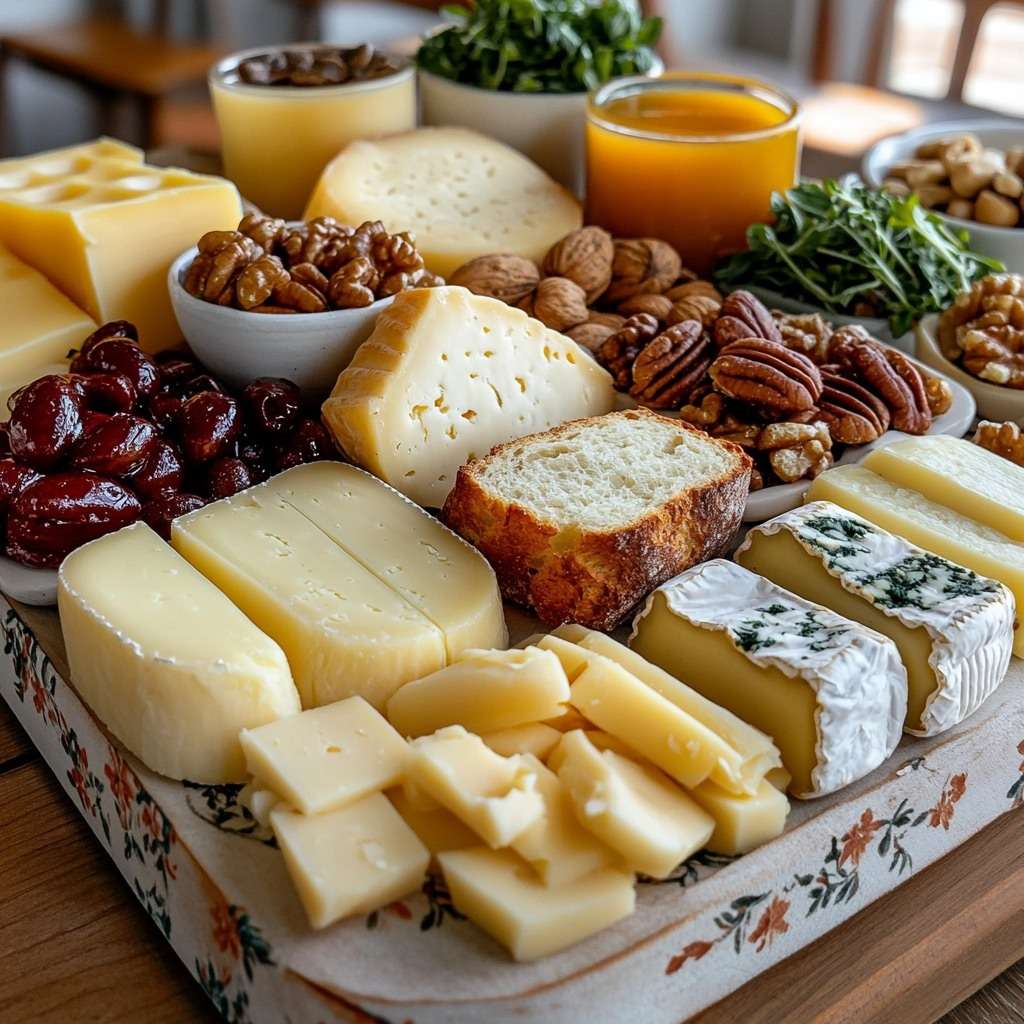
A rustic cheese and nut platter is one of the simplest yet most impressive ways to entertain guests. Without any cooking required, it brings together contrasting textures and flavors that feel both generous and refined. Creamy cheeses, crunchy nuts, fresh fruit, and rustic bread create a harmonious balance that appeals to a wide range of tastes. Moreover, this type of platter is incredibly versatile.
It can be served as an appetizer, a centerpiece for a casual gathering, or even as a light meal paired with a salad or soup. Because it relies on quality ingredients rather than complex techniques, it allows each component to shine. As a result, it is perfect for hosts who want elegance without stress and flavor without effort.
History and Information About Cheese Platters
Cheese platters have a long tradition in European food culture, especially in France, Italy, and Switzerland. Historically, cheese was served at the end of meals as a way to enjoy local dairy products and extend convivial moments at the table. Over time, these simple boards evolved into carefully composed platters that combined cheeses with bread, fruit, nuts, and sweet accompaniments such as honey or jams. This evolution was driven by the desire to balance flavors, since salty, creamy, and tangy cheeses benefit greatly from sweetness and crunch. Today, rustic cheese platters reflect a return to authenticity and simplicity. They celebrate natural ingredients, seasonal produce, and artisanal products, making them just as suitable for everyday sharing as for festive occasions.
Ingredients
- Hard cheese such as Comté or Emmental: 300 g
- Semi-hard cheese such as Tomme: 250 g
- Soft-ripened cheese such as Brie or Camembert: 250 g
- Blue cheese: 200 g
- Country bread: 1 small loaf, about 300 g
- Walnuts: 80 g
- Pecans: 80 g
- Roasted peanuts: 60 g
- Fresh cherries: 150 g
- Liquid honey: 120 ml
- Microgreens or arugula: 40 g
Preparation
Step 1: Cut the Cheeses
Start by preparing the cheeses, as they are the centerpiece of the platter. Cut the hard and semi-hard cheeses into a variety of shapes such as cubes, sticks, and thin slices. This variety not only adds visual interest but also makes serving easier. Then, cut the soft-ripened cheese and blue cheese into thick portions, ensuring they hold their shape while remaining creamy. At this stage, aim for generous pieces that invite tasting rather than overly small cuts.
Step 2: Slice the Bread
Next, take the country bread and cut it into thick slices. Then, halve each slice to create bite-sized pieces that are easy to pick up. Rustic bread with a firm crust and soft crumb works particularly well, as it provides structure without overpowering the cheeses. If desired, you can lightly toast the bread for added crunch and warmth.
Step 3: Prepare the Nuts
Prepare the nuts by lightly cracking them if needed. Walnuts and pecans can be left mostly whole for a natural look, while roasted peanuts add a contrasting texture and flavor. Arrange the nuts in small piles or bowls. This approach keeps the platter organized while allowing guests to mix and match flavors freely.
Step 4: Wash and Prepare the Fruit
Rinse the fresh cherries thoroughly under cold water, then dry them carefully to keep their skin shiny. Fresh fruit brings brightness and acidity, which balance the richness of the cheeses. At this point, make sure the fruit is completely dry to avoid excess moisture on the platter.
Step 5: Pour the Honey
Transfer the liquid honey into a small serving bowl. Honey pairs beautifully with cheese, especially blue and hard cheeses, as it softens sharp notes and enhances complexity. Placing it in a separate bowl allows guests to drizzle it according to their preference.
Step 6: Add Fresh Greens
Arrange the microgreens or arugula in small bunches around the platter. These greens add a fresh, peppery note and a touch of color that elevates the presentation. In addition, they help break up the richness of the other elements.
Step 7: Assemble the Platter
Begin assembling the platter by placing the cheeses first, spacing them evenly across the board. Then, fill in the gaps with bread, nuts, cherries, greens, and the bowl of honey. The goal is to create a full and abundant look while keeping each component accessible. As a final touch, adjust the placement to ensure balance and visual harmony.
Nutritional Information
A rustic cheese and nut platter provides a mix of nutrients from a variety of food groups. Cheeses contribute protein, calcium, and fats that support bone health and satiety. Nuts add healthy fats, fiber, and minerals, while fresh fruit supplies vitamins and antioxidants. Bread offers carbohydrates for energy, and honey provides natural sweetness. However, due to the richness of cheese and nuts, this platter is calorie-dense. Therefore, it is best enjoyed in moderation and balanced with lighter foods such as vegetables or salads throughout the day.
FAQ
How far in advance can I prepare a cheese platter?
You can prepare most components a few hours in advance. However, it is best to assemble the platter shortly before serving to maintain freshness and optimal texture.
Why should cheese be served at room temperature?
Cheese reveals its full flavor and creaminess when served at room temperature. Taking it out of the refrigerator about 30 minutes before serving makes a noticeable difference.
Can I customize the cheeses on the platter?
Absolutely. You can adapt the selection based on availability or preference. The key is to include a variety of textures and flavors, such as hard, soft, and blue cheeses.
What can I use instead of cherries?
Cherries can be replaced with grapes, figs, sliced apples, or even dried fruits. Each option brings a different balance of sweetness and acidity.
Is this platter suitable as a main meal?
Yes, when served generously and paired with a salad or soup, this platter can easily become a light yet satisfying meal.
Conclusion
A rustic cheese, nut, and delicacy platter is the ultimate expression of effortless entertaining. With minimal preparation and maximum flavor, it brings people together around shared tastes and textures. Moreover, its flexibility allows you to adapt it to any season, occasion, or personal preference. By focusing on quality ingredients and thoughtful presentation, you can create a platter that feels abundant, welcoming, and refined. Whether served at a casual gathering or a special celebration, this timeless arrangement is always a guaranteed success.
Check also:
Lemon Chicken Ricotta Meatballs
Chicken and meat easy Recipes
Suggestions:
- Sheet Pan Fajita-Style Beef with Roasted Peppers
- Curry Lentil Meatballs with Creamy Lemon Yogurt Sauce
- Fluffy Cheese Soufflé Omelette Recipe
- Creamy Broccoli Pesto Spaghetti with Parmesan and Almonds
- Easy Vegetable Rolled Omelet for Healthy Lunchboxes