


Share
Introduction
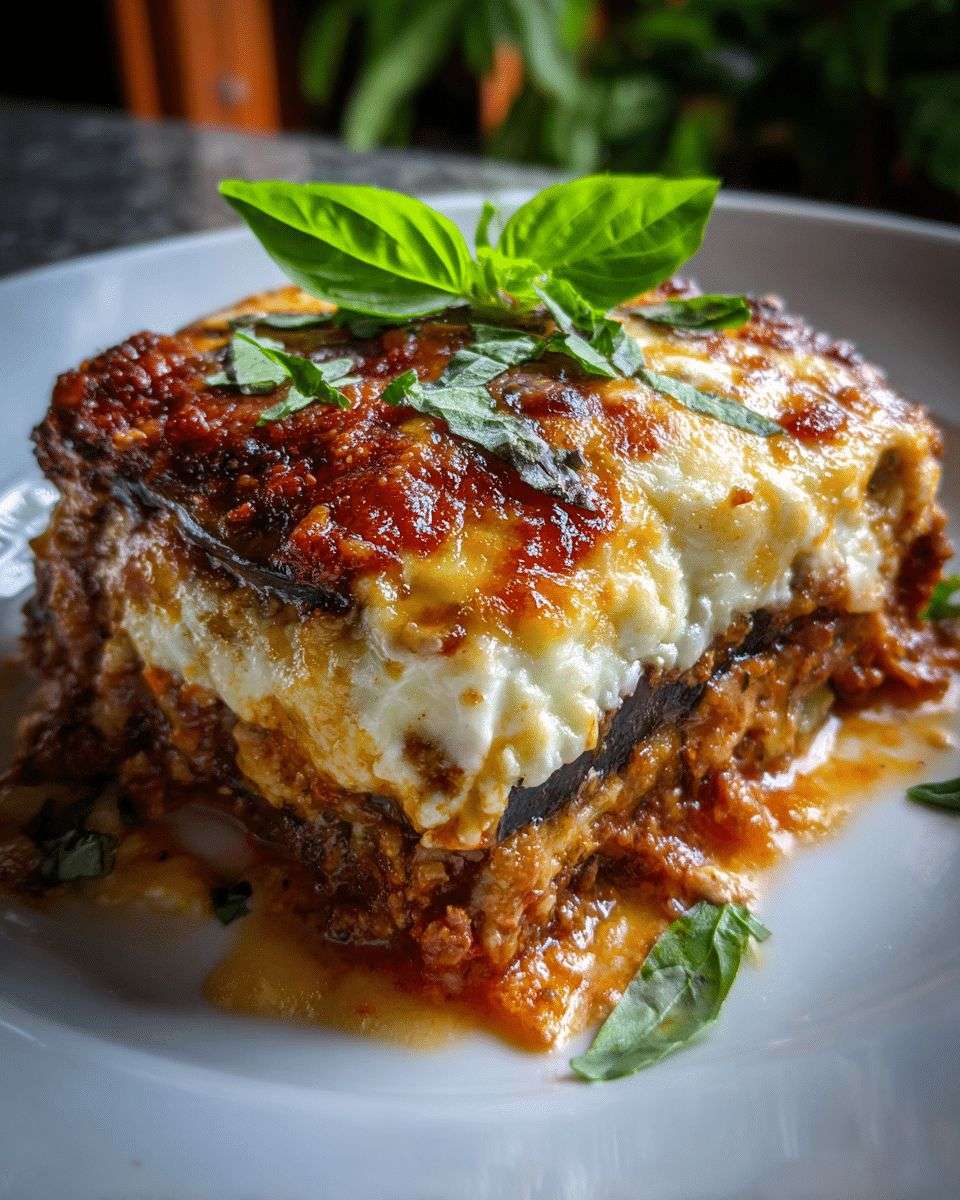
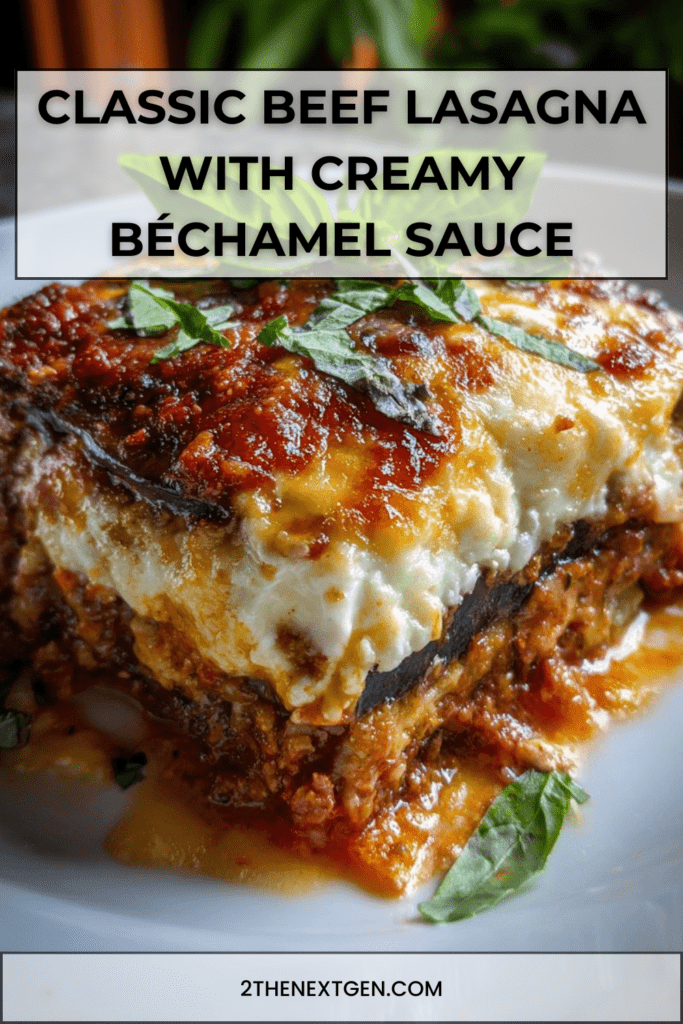
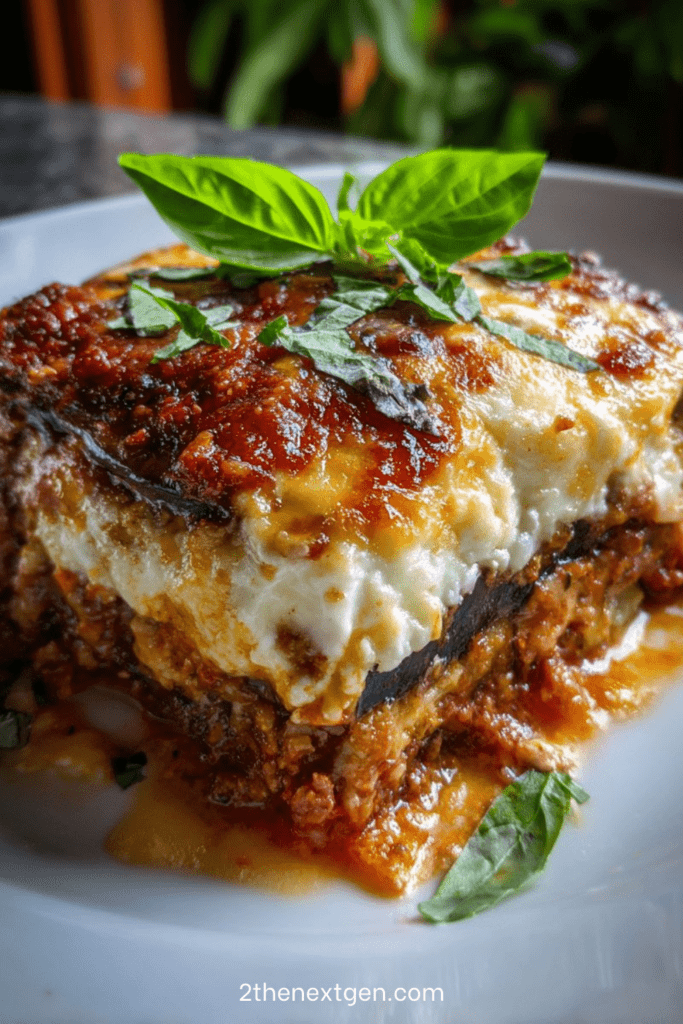
Classic beef lasagna is one of the most beloved comfort foods in the world, known for its generous layers, rich sauces, and deeply satisfying texture. With its slow-simmered meat ragù, silky béchamel, tender pasta sheets, and perfectly melted cheese, this dish delivers warmth and indulgence in every bite. Moreover, lasagna is a recipe that brings people together. It is often served for family lunches, special gatherings, or cozy dinners, where sharing a hearty homemade dish feels especially meaningful. Thanks to its layered structure, lasagna also improves with time, making it ideal for preparing ahead. When done properly, the result is ultra creamy, saucy, and beautifully structured, with clean slices that reveal distinct, flavorful layers.
History and Information About Classic Beef Lasagna
Lasagna has its roots in Italian cuisine, particularly in the region of Emilia-Romagna, where layered pasta dishes have been prepared for centuries. Traditionally, lasagna al forno is made with egg-based pasta, slow-cooked ragù, and béchamel sauce rather than ricotta. Over time, variations spread across Italy and beyond, adapting to local ingredients and tastes. Beef-based ragù became especially popular because of its depth of flavor and richness. The addition of béchamel creates a creamy contrast to the tomato-based sauce, balancing acidity and adding smoothness. Today, classic beef lasagna represents the perfect harmony between rustic cooking and refined technique, making it a timeless dish enjoyed across cultures.
Ingredients
For the Meat Sauce (Ragù)
- Ground beef (15–20% fat): 600 g
- Onion, finely chopped: 1
- Garlic cloves, minced: 2
- Crushed tomatoes: 800 g
- Tomato paste: 2 tablespoons
- Red wine: 120 ml (optional but recommended)
- Olive oil: 2 tablespoons
- Dried oregano: 1 teaspoon
- Dried basil: 1 teaspoon
- Salt and black pepper: to taste
- Sugar: a pinch, if tomatoes are acidic
For the Béchamel Sauce
- Butter: 60 g
- All-purpose flour: 60 g
- Warm milk: 750 ml
- Salt: to taste
- White pepper: to taste
- Nutmeg: a pinch
For Assembly
- Lasagna sheets (pre-cooked or no-boil): 9–12
- Mozzarella, grated: 250 g
- Parmesan, grated: 80 g
- Fresh basil: optional
Preparation
Step 1: Start the Meat Sauce
Heat the olive oil in a large pan over medium heat. Add the finely chopped onion and cook gently until soft and translucent. This slow cooking step builds sweetness and depth, which forms the foundation of the ragù.
Step 2: Add Garlic and Beef
Add the minced garlic to the pan and cook for about 30 seconds, just until fragrant. Then add the ground beef, breaking it up with a spoon. Cook until well browned, allowing moisture to evaporate so the meat develops rich flavor.
Step 3: Concentrate the Tomato Base
Stir in the tomato paste and cook for one minute to deepen its flavor. Pour in the red wine, if using, and let it simmer for about two minutes until slightly reduced. This step adds complexity and balances the richness of the meat.
Step 4: Simmer the Ragù
Add the crushed tomatoes, dried oregano, dried basil, salt, and black pepper. If the tomatoes taste acidic, add a small pinch of sugar. Reduce the heat and let the sauce simmer gently for 30 to 40 minutes, stirring occasionally, until thick, rich, and deeply flavored.
Step 5: Prepare the Béchamel Base
In a saucepan, melt the butter over medium heat. Add the flour and whisk continuously for about one minute. This cooks out the raw flour taste while keeping the mixture pale.
Step 6: Add Milk Gradually
Slowly whisk in the warm milk, a little at a time, ensuring there are no lumps. Continue whisking until the sauce thickens and becomes smooth and creamy.
Step 7: Season the Béchamel
Season the béchamel with salt, white pepper, and a pinch of nutmeg. Reduce the heat and let it simmer briefly, stirring constantly, until it reaches a velvety consistency.
Assembly
Step 8: Prepare the Baking Dish
Preheat the oven to 180°C or 350°F. Lightly grease a large baking dish. Spread a thin layer of meat sauce on the bottom to prevent sticking and ensure even moisture.
Step 9: Build the First Layer
Place a layer of lasagna sheets over the meat sauce. Spread a generous layer of ragù on top, followed by a layer of béchamel. Sprinkle with mozzarella and a little Parmesan.
Step 10: Repeat the Layers
Repeat the layering process two more times, ensuring even distribution of sauces and cheese. Each layer should be well balanced to create a creamy, saucy interior.
Step 11: Finish the Top
Finish with a final layer of béchamel sauce, then sprinkle generously with the remaining mozzarella and Parmesan. This top layer will bake into a golden, bubbling crust.
Baking
Step 12: Bake Covered
Cover the baking dish loosely with aluminum foil and bake for 30 minutes. This allows the lasagna to heat through evenly without drying out.
Step 13: Bake Uncovered
Remove the foil and continue baking for 20 to 25 minutes, until the top is golden brown and bubbling around the edges.
Step 14: Rest Before Serving
Remove the lasagna from the oven and let it rest for at least 15 minutes before slicing. This resting time is essential for clean, tall slices and well-defined layers.
Nutritional Information
Classic beef lasagna is a hearty and filling dish. It provides protein from beef and cheese, carbohydrates from pasta, and fats from béchamel and cheese. Tomatoes contribute vitamins and antioxidants, while dairy adds calcium. However, due to its richness, lasagna is calorie-dense. Therefore, it is best enjoyed in moderate portions and paired with lighter sides such as a green salad or steamed vegetables.
FAQ
Can I make beef lasagna ahead of time?
Yes, lasagna is ideal for making ahead. You can assemble it a day in advance and refrigerate it, then bake before serving. The flavors often improve overnight.
Why is my lasagna watery?
Excess liquid usually comes from a ragù that was not reduced enough or from skipping resting time. Make sure the meat sauce is thick and always let the lasagna rest before cutting.
Can I freeze beef lasagna?
Yes, lasagna freezes very well, both before and after baking. Wrap it tightly and freeze for up to two months. Thaw overnight in the refrigerator before reheating.
Should I use ricotta instead of béchamel?
Traditional classic lasagna uses béchamel rather than ricotta. Béchamel provides a smoother, creamier texture and a more authentic result.
How do I get clean slices?
Allow the lasagna to rest for at least 15 minutes after baking. Using a sharp knife and lifting slices with a spatula also helps maintain structure.
Conclusion
Classic beef lasagna is the ultimate expression of comfort cooking, combining rich flavors, creamy textures, and generous layers into one unforgettable dish. When prepared with a slow-simmered ragù and smooth béchamel, it becomes ultra creamy, saucy, and perfectly balanced. Although it requires time and patience, the result is always worth the effort. Whether served for a family meal, a special occasion, or prepared ahead for convenience, this lasagna delivers consistency, warmth, and satisfaction every single time. Once mastered, it becomes a recipe that is requested again and again.
Check also:
Lemon Chicken Ricotta Meatballs
Chicken and meat easy Recipes
Suggestions:
- Fluffy Cheese Soufflé Omelette Recipe
- Creamy Broccoli Pesto Spaghetti with Parmesan and Almonds
- Easy Vegetable Rolled Omelet for Healthy Lunchboxes
- Easy Layered Mason Jar Salad for Healthy School Lunches
- Fudgy Banana Brownie Bites with Cocoa and Nut Butter