


Share
Introduction
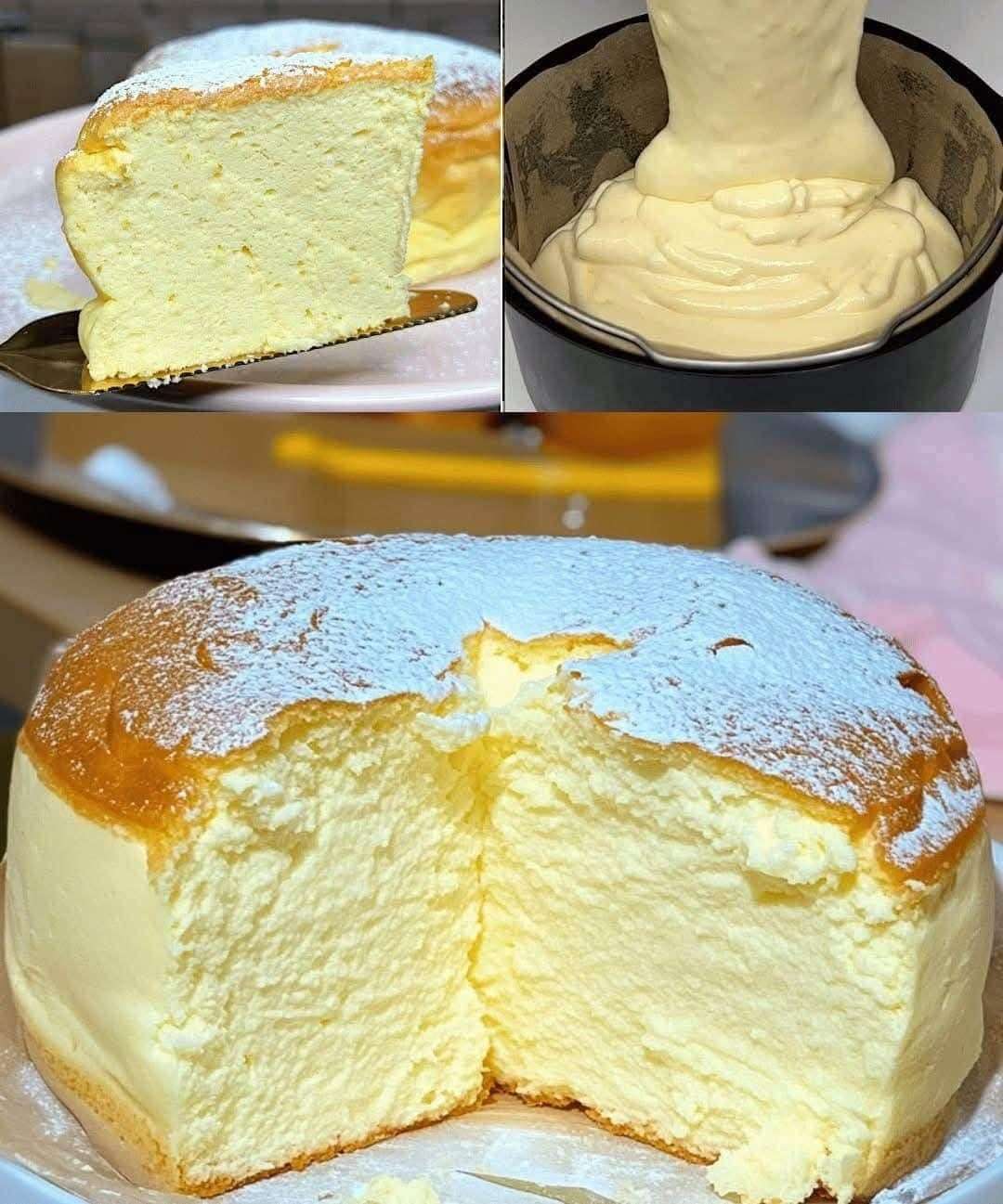
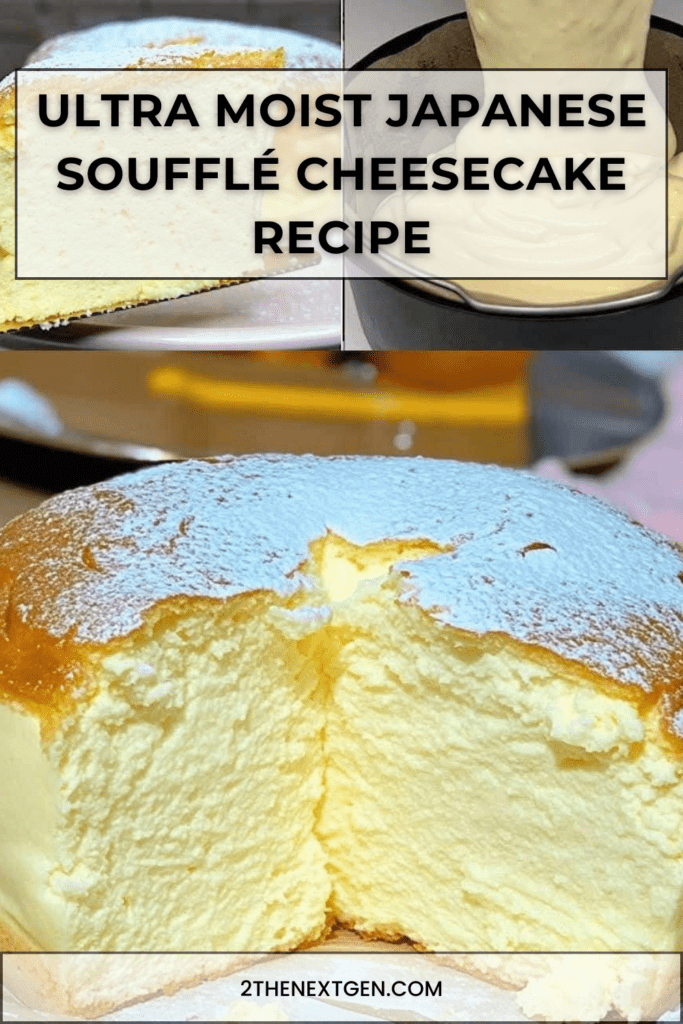
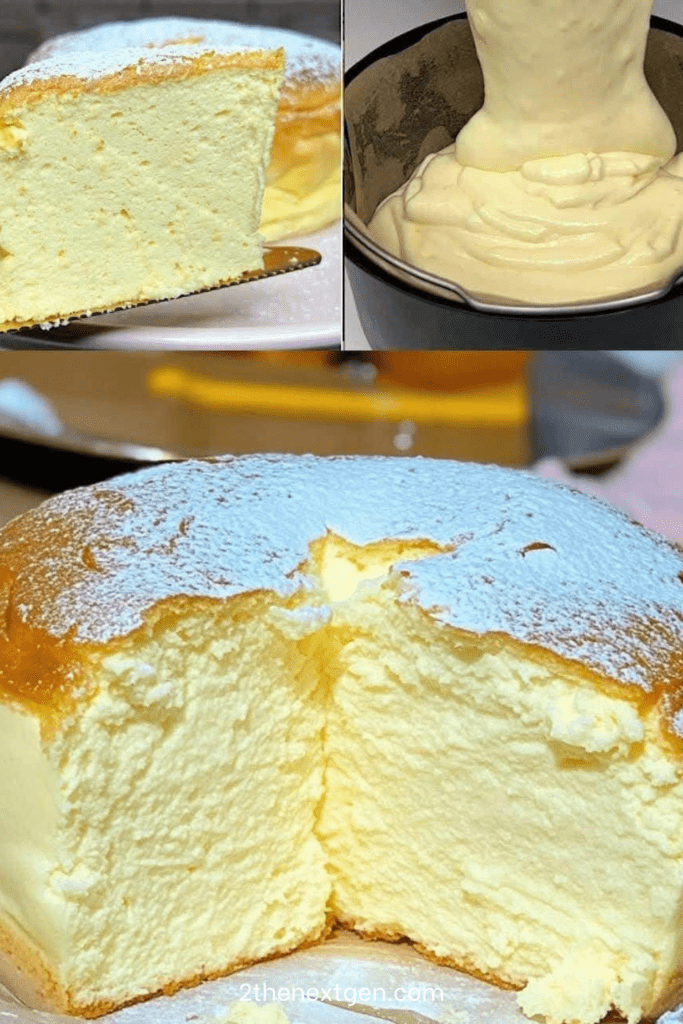
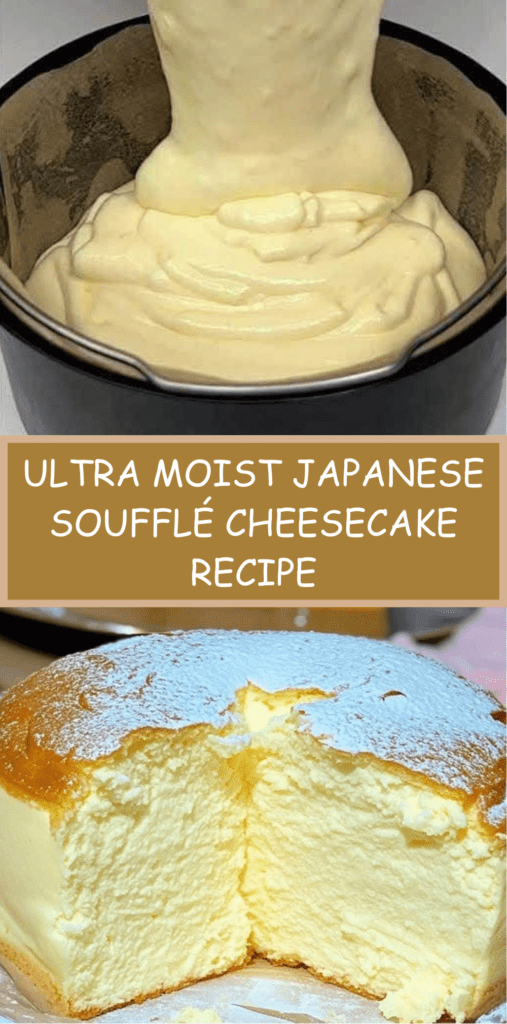
The ultra moist Japanese soufflé cake, often known as Japanese soufflé cheesecake, is a dessert that perfectly balances richness and lightness. Unlike traditional dense cheesecakes, this version is airy, delicate, and incredibly soft. In fact, it feels almost like biting into a sweet cloud. Because it is less sugary than classic Western cheesecakes, it offers a refined and subtle flavor that appeals to a wide audience.
Moreover, this cake is visually stunning. Its tall, fluffy structure and slightly golden top create an elegant presentation that looks impressive on any dessert table. Whether you are baking for a family gathering, a celebration, or simply to satisfy your curiosity, this ultra moist Japanese cheesecake is guaranteed to impress.
In this detailed guide, you will learn everything you need to know about making the perfect soufflé cheesecake. From its origins and key ingredients to step-by-step instructions and professional tips, this recipe is designed to help you achieve bakery-quality results at home.
History and Background of Japanese Soufflé Cheesecake
Japanese soufflé cheesecake originated in Japan in the 1960s, inspired by both European cheesecakes and French soufflés. While traditional American cheesecake is dense and rich, Japanese bakers sought a lighter texture and a more delicate sweetness. As a result, they developed a hybrid dessert that combines the creaminess of cheesecake with the airy structure of a soufflé.
Over time, this cake became extremely popular across Asia. Eventually, it gained worldwide recognition thanks to its unique jiggle and soft texture, often showcased in baking videos. Its gentle sweetness makes it especially appealing to those who prefer desserts that are not overly sugary.
Furthermore, the technique of folding whipped egg whites into the batter gives the cake its signature height and softness. Because of this method, the Japanese cheesecake stands apart from other cheesecakes, offering a texture that truly melts in your mouth.
Ingredients
- 250 g cream cheese (such as Philadelphia)
- 50 g butter
- 100 ml milk
- 6 eggs, separated into yolks and whites
- 120 g sugar
- 60 g flour
- 20 g cornstarch
- 1 teaspoon lemon juice
- 1 pinch of salt
- Icing sugar for dusting
Each ingredient plays a crucial role. Cream cheese provides richness, while butter enhances smoothness. Milk lightens the batter. Meanwhile, eggs are essential for structure and volume. Flour and cornstarch stabilize the cake, ensuring it holds its airy shape after baking.
Preparation
Prepare the Cream Cheese Base
First, place the cream cheese, butter, and milk in a heatproof bowl. Then, set the bowl over a pot of simmering water to create a double boiler. Stir continuously until the mixture becomes completely smooth and silky. This step is essential because a lump-free base ensures a uniform texture in the final cake.
Once melted and combined, remove the bowl from heat. Allow the mixture to cool slightly so that it does not cook the egg yolks when added.
Incorporate the Egg Yolks and Dry Ingredients
Next, add the egg yolks one at a time, mixing thoroughly after each addition. This gradual process helps maintain a smooth consistency. Afterward, sift the flour and cornstarch directly into the batter. Sifting is important because it prevents clumps and ensures a light texture.
Stir gently until the mixture is fully combined and smooth. At this stage, the batter should appear creamy and slightly thick.
Beat the Egg Whites to Soft Peaks
In a clean, dry bowl, begin beating the egg whites with a pinch of salt and lemon juice. The lemon juice stabilizes the egg whites, allowing them to whip more effectively. Once the whites become frothy, gradually add the sugar in small increments.
Continue beating until soft peaks form. The peaks should gently fold over when the whisk is lifted. It is important not to overbeat, as stiff peaks can make folding more difficult and may cause cracks during baking.
Gently Fold the Egg Whites into the Batter
Now comes the most delicate step. Add one-third of the whipped egg whites into the cream cheese mixture and gently fold using a spatula. This first addition helps lighten the batter.
Then, add the remaining egg whites in two more batches. Use a lifting and folding motion rather than stirring. This technique preserves the air bubbles, which are responsible for the cake’s light and fluffy texture.
Take your time during this step. Proper folding ensures maximum volume and a smooth, airy structure.
Bake in a Water Bath
Preheat your oven to 160°C. Prepare an 18 to 20 cm round cake pan by lining the bottom with parchment paper. Wrap the outside of the pan with aluminum foil to prevent water from seeping in.
Pour the batter into the prepared pan. Tap it lightly on the counter to release large air bubbles. Place the cake pan into a larger baking dish and fill the dish with hot water halfway up the sides of the cake pan.
Bake for 60 to 70 minutes. The water bath creates gentle, even heat, preventing cracks and ensuring a moist interior.
Cool Gradually for Perfect Texture
Once baking is complete, turn off the oven and leave the door slightly ajar. Allow the cake to cool inside for about 15 minutes. This gradual cooling process prevents sudden temperature changes that could cause the cake to collapse.
Afterward, remove the cake and let it cool at room temperature. Then refrigerate for at least one hour before serving. Finally, dust with icing sugar just before presenting.
Nutritional Information
Per serving, based on 8 portions, this Japanese soufflé cheesecake contains approximately 220 to 260 calories. It provides protein from eggs and cream cheese, moderate carbohydrates from sugar and flour, and fats primarily from dairy ingredients.
Compared to traditional cheesecake, it is generally lighter in calories due to its airy structure and reduced sugar content. However, it remains a rich dessert and should be enjoyed in moderation as part of a balanced diet.
Frequently Asked Questions
Why Did My Japanese Cheesecake Collapse?
Collapsing can occur if the egg whites were overbeaten or if the cake cooled too quickly. Therefore, always aim for soft peaks and allow gradual cooling in the oven.
How Do I Prevent Cracks on the Surface?
Using a water bath is essential. Additionally, avoid opening the oven door during baking. Gentle, even heat helps maintain a smooth surface.
Can I Make This Cake Ahead of Time?
Yes, in fact, it tastes even better after chilling for several hours. You can prepare it one day in advance and store it in the refrigerator.
Can I Add Flavors to This Recipe?
Absolutely. For instance, you can incorporate vanilla extract, matcha powder, or citrus zest into the batter. However, add small amounts to avoid affecting the delicate texture.
How Should I Store Japanese Soufflé Cheesecake?
Store it in an airtight container in the refrigerator for up to three days. Because of its high moisture content, refrigeration is necessary.
Conclusion
The ultra moist Japanese soufflé cheesecake is a dessert that beautifully combines elegance, lightness, and flavor. Thanks to its airy structure and delicate sweetness, it stands out from traditional cheesecakes. Moreover, its soft and melt-in-your-mouth texture makes it unforgettable.
Although it requires careful folding and gentle baking, the process is straightforward when you follow each step precisely. With patience and attention to detail, you can achieve a perfectly tall, fluffy cake that rivals those from professional bakeries.
Ultimately, this Japanese cheesecake is more than just a dessert. It is a demonstration of balance and technique. Once you try it, you will understand why it has become a global favorite.
Check also:
Lemon Chicken Ricotta Meatballs
Chicken and meat easy Recipes
Suggestions:
- Fluffy Cheese Soufflé Omelette Recipe
- Creamy Broccoli Pesto Spaghetti with Parmesan and Almonds
- Easy Vegetable Rolled Omelet for Healthy Lunchboxes
- Easy Layered Mason Jar Salad for Healthy School Lunches
- Fudgy Banana Brownie Bites with Cocoa and Nut Butter