


Share
Introduction
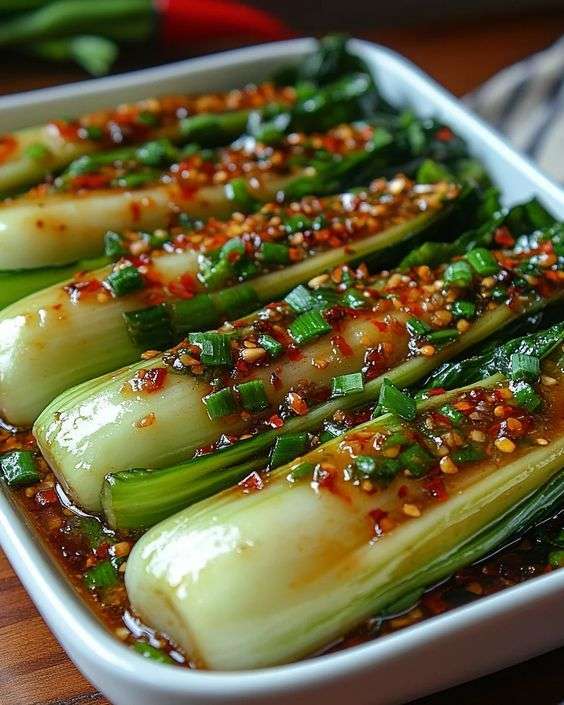
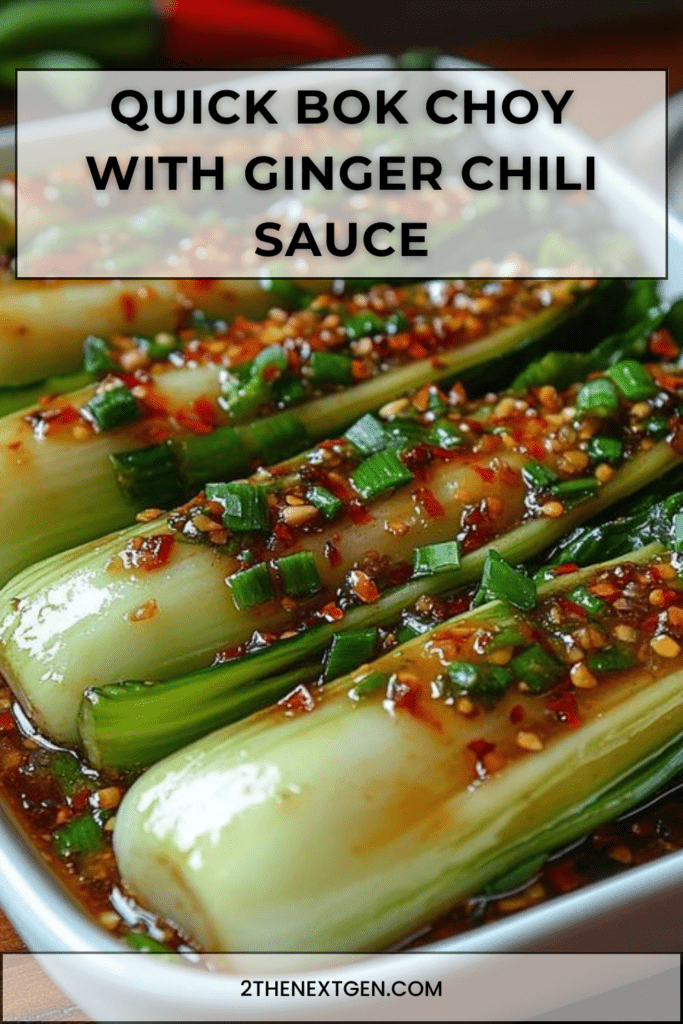
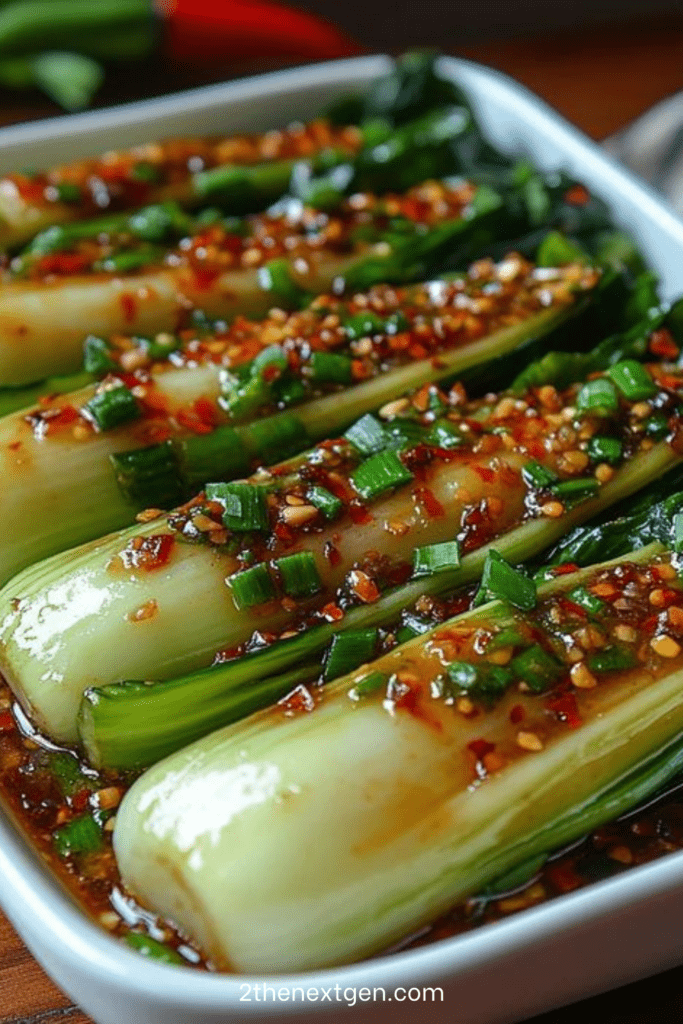
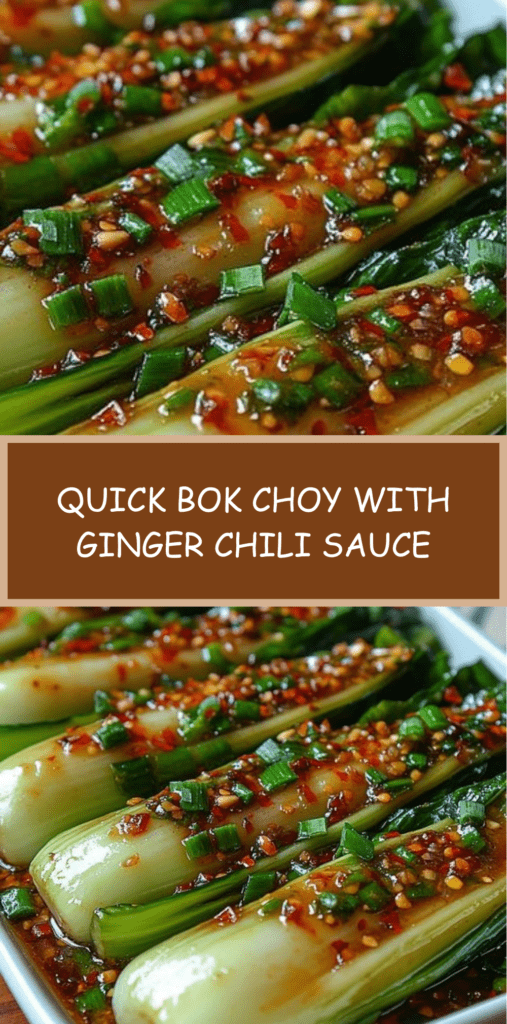
When you need a fast vegetable side that still feels exciting, bok choy with a ginger chili sauce is one of the best answers. It cooks quickly, stays crisp-tender, and absorbs bold flavors without losing its fresh bite. Even better, the sauce comes together in a bowl in under a minute, and then it only needs a quick sauté of ginger and garlic to taste like something you would order at a great Asian-inspired restaurant.
Moreover, this dish is flexible. You can blanch the bok choy for a clean, tender-crisp texture, or you can pan-sear it for lightly golden edges and a deeper, roasted flavor. Either way, once the glossy sauce hits the warm greens, everything turns fragrant, savory, and just spicy enough. As a result, it becomes the kind of side dish you can pair with almost anything, from rice bowls to noodles to grilled proteins.
History and Information About the Recipe
Bok choy, also called pak choi, is a type of Chinese cabbage that has been used in East Asian cooking for centuries. Because it has crunchy white stems and tender green leaves, it cooks evenly and quickly, which makes it ideal for busy kitchens. In traditional preparations, bok choy is often stir-fried, blanched, or steamed, then finished with aromatics such as garlic, ginger, and scallions.
This recipe follows that same logic while adding a modern, pantry-friendly sauce. Soy sauce provides a salty, umami base, sesame oil adds toasted richness, and rice vinegar brings brightness. Then, ginger and garlic create the aromatic backbone, while chili flakes contribute heat. Finally, a small amount of honey or brown sugar smooths the sharp edges, so the sauce tastes balanced rather than aggressively salty or spicy. Consequently, the finished dish feels bold but not heavy, which is exactly why it works as a side or as part of a larger meal.
Ingredients
- 1 lb baby bok choy, halved lengthwise
- 2 tablespoons fresh ginger, grated
- 3–4 cloves garlic, minced
- Optional minced chili pepper, to taste
- 3 tablespoons soy sauce
- 1 tablespoon sesame oil
- 1 tablespoon rice vinegar
- & 1 teaspoon red pepper chili flakes, adjusted to taste
- 1 teaspoon honey or brown sugar
- Sliced green onions (scallions), for garnish
- Optional sesame seeds, for garnish
- 1 tablespoon neutral oil for sautéing (such as avocado, canola, or grapeseed)
Preparation
Step 1: Rinse the bok choy thoroughly
Start by rinsing the bok choy well, since sand can hide between the leaves near the base. Then drain it and pat it dry. This step matters, because excess water can dilute the sauce and prevent good browning if you choose the pan-sear method.
Step 2: Choose your cooking method for the bok choy
Decide whether you want a clean, tender-crisp texture or a lightly caramelized finish. If you prefer a brighter, more delicate result, blanch the bok choy. On the other hand, if you want deeper flavor and a little color, pan-sear it instead.
Step 3: Blanch the bok choy for a tender-crisp texture
Bring a pot of water to a boil. Then blanch the bok choy for 2 to 5 minutes, depending on size, until the stems are tender-crisp and the leaves are wilted but still vibrant. Immediately drain and set aside. For an even crisper result, you can briefly rinse with cold water to stop the cooking, although it is not required if you are serving right away.
Step 4: Pan-sear the bok choy for lightly golden edges
Heat a large pan over medium-high heat and add a small splash of neutral oil. Place the bok choy cut-side down in a single layer. Then sear for 2 to 3 minutes until lightly golden. After that, flip and cook for another minute or so, just until the leaves soften. If your pan is crowded, work in batches, because overcrowding will steam the bok choy instead of browning it.
Step 5: Whisk the sauce until smooth
While the bok choy cooks, whisk together the soy sauce, rice vinegar, sesame oil, honey or brown sugar, and chili flakes in a small bowl. If you are using fresh minced chili, add it here as well. This quick whisking step is important, because it evenly distributes the sweetness and spice, which makes the final flavor more consistent.
Step 6: Sauté the ginger and garlic until fragrant
Lower the heat to medium and add about 1 tablespoon of neutral oil to the pan. Then sauté the minced garlic and grated ginger for 30 to 60 seconds, stirring constantly. You want them fragrant, not browned, because garlic can turn bitter quickly if it overcooks. As soon as you smell that warm ginger-garlic aroma, you are ready for the next step.
Step 7: Combine the bok choy with the sauce
If you pan-seared the bok choy, pour the sauce directly into the pan and gently toss or spoon it over the bok choy. Then simmer for 1 to 2 minutes until the sauce slightly thickens and clings to the stems and leaves. Alternatively, if you blanched the bok choy, transfer it to a serving dish and pour the hot ginger-garlic sauce over the top. Either way, the goal is the same: glossy bok choy coated in a balanced, aromatic sauce.
Step 8: Garnish and serve immediately
Finish with sliced green onions and, if you like, a sprinkle of sesame seeds. Serve right away while the bok choy is hot and crisp-tender. For the best experience, spoon a little extra sauce from the pan over the top just before serving.
Nutritional Information
Bok choy is naturally low in calories and provides fiber, as well as vitamins and minerals that support a balanced diet. Ginger and garlic contribute aroma and flavor with minimal added calories, while the sauce adds most of the sodium and fat. Sesame oil, although used in a small amount, delivers a rich, toasted flavor, so you get a satisfying finish without needing a heavy sauce.
Because soy sauce brands vary, sodium levels can differ significantly. Therefore, if you are watching sodium intake, consider using reduced-sodium soy sauce and adjusting to taste. Similarly, if you want to reduce added sugar, you can slightly cut back on the honey or brown sugar, especially if you prefer a sharper, more savory profile.
FAQ
How do I keep bok choy from turning watery?
First, dry the bok choy well after rinsing. Then avoid overcrowding the pan, since crowding traps steam and releases extra moisture. Finally, keep the sauce simmer time short, because overcooking can cause the leaves to weep and soften too much.
Should I blanch or pan-sear bok choy for the best flavor?
Both are excellent, but they create different results. Blanching keeps the flavor clean and the texture evenly tender-crisp, while pan-searing adds light browning and a slightly sweeter, roasted note. If you have a few extra minutes, pan-searing often tastes more complex.
Can I make the sauce ahead of time?
Yes. You can whisk the sauce ingredients together and store them in the refrigerator for up to 2 to 3 days. However, sauté the ginger and garlic fresh if possible, because that just-cooked aroma is what makes the dish feel vibrant.
What can I use instead of rice vinegar?
If you do not have rice vinegar, you can substitute apple cider vinegar or white wine vinegar. Still, use a little less at first, because these vinegars can be sharper. Then adjust to taste so the sauce stays balanced.
How spicy is this recipe, and how can I adjust it?
With 1 teaspoon of chili flakes, the heat is noticeable but usually not overwhelming. For a milder version, reduce the chili flakes or skip the fresh chili. For more heat, add extra flakes, a minced chili pepper, or a small spoon of chili crisp at the end.
Can I add protein to make it a full meal?
Absolutely. You can serve it with tofu, shrimp, chicken, or thinly sliced beef. Additionally, it pairs well with eggs, especially if you want a quick rice bowl. Just cook the protein separately and combine at the end so the bok choy stays crisp-tender.
Is there a gluten-free option?
Yes, as long as you use gluten-free soy sauce or tamari. Everything else in the recipe is typically gluten-free, but it is still worth checking labels, especially for sauces and seasonings.
What should I serve with quick bok choy?
It goes perfectly with steamed rice, fried rice, noodles, dumplings, or simple grilled fish and chicken. Moreover, it balances rich dishes well, because the vinegar and ginger cut through heaviness and refresh the palate.
Conclusion
Quick bok choy with ginger chili sauce is proof that a fast recipe can still feel special. Because bok choy cooks in minutes, it is ideal for weeknights, yet the ginger, garlic, sesame, and vinegar make the flavor feel layered and intentional. Whether you blanch for a clean finish or pan-sear for golden edges, the glossy sauce ties everything together with savory depth, gentle sweetness, and adjustable heat. In the end, you get a dependable side dish that tastes fresh, bold, and restaurant-worthy, while still being simple enough to make anytime.
Check also:
Lemon Chicken Ricotta Meatballs
Chicken and meat easy Recipes
Suggestions:
- Sheet Pan Fajita-Style Beef with Roasted Peppers
- Curry Lentil Meatballs with Creamy Lemon Yogurt Sauce
- Fluffy Cheese Soufflé Omelette Recipe
- Creamy Broccoli Pesto Spaghetti with Parmesan and Almonds
- Easy Vegetable Rolled Omelet for Healthy Lunchboxes