


Share
Introduction
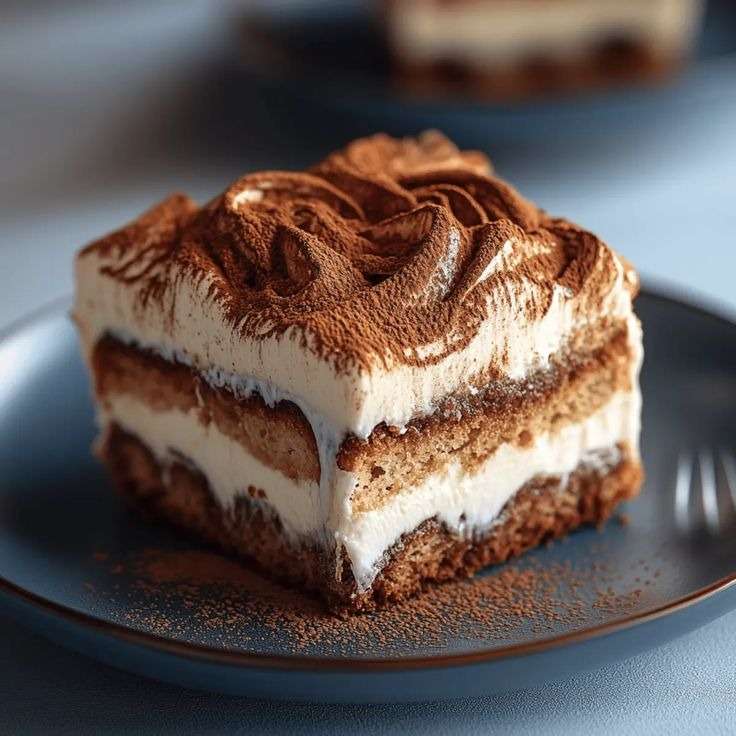
Classic Italian tiramisu is one of the most beloved desserts in the world. Known for its delicate layers of coffee-soaked ladyfingers and its rich mascarpone cream, this traditional Italian dessert is both elegant and comforting. The final dusting of cocoa powder adds a subtle bitterness that perfectly balances the sweetness of the cream. As a result, every bite offers a harmonious blend of flavors and textures that feels indulgent yet surprisingly light.
One of the reasons tiramisu has become such an international favorite is its simplicity. Unlike many baked desserts, tiramisu requires no oven and relies on a small number of high-quality ingredients. Because of this, the recipe is accessible even for beginner cooks. At the same time, the final result feels sophisticated enough to serve at dinner parties, celebrations, or family gatherings.
Another remarkable aspect of tiramisu is its layered structure. The ladyfingers absorb strong coffee, creating a soft and flavorful base. Meanwhile, the mascarpone cream adds richness and smoothness. Finally, the cocoa powder creates a refined finishing touch. These elements work together to create a dessert that is creamy, airy, and deeply satisfying without feeling overly heavy.
In this complete guide, you will learn how to prepare authentic Italian tiramisu step by step. In addition, you will discover the origins of this iconic dessert, detailed ingredient explanations, nutritional information, and answers to common questions. This article is carefully structured with clear headings and optimized formatting to make it easy to read and well suited for search engine indexing.
The History and Tradition of Tiramisu
Tiramisu is one of the most famous desserts in Italian gastronomy, yet its history is relatively modern compared to many other traditional European sweets. The dessert is believed to have originated in the Veneto region of northern Italy, particularly in the city of Treviso. Over time, its popularity spread throughout Italy and eventually across the world.
The name “tiramisu” literally means “pick me up” or “lift me up” in Italian. This expression refers to the energizing combination of ingredients used in the dessert, especially coffee, sugar, and eggs. Together, these elements create a dessert that is rich and revitalizing. Because of this association, tiramisu has long been considered a comforting treat after a meal.
Traditionally, tiramisu is made with mascarpone cheese, eggs, sugar, espresso, ladyfinger biscuits, and cocoa powder. Some versions also include a splash of alcohol such as Marsala wine, amaretto, or rum. However, the essence of the recipe remains the same: delicate layers of soaked biscuits and creamy mascarpone filling.
What makes tiramisu particularly unique is its texture. Unlike baked cakes or custards, tiramisu relies on whipped egg whites to create a light and airy mascarpone cream. This technique gives the dessert its signature softness and melt-in-your-mouth quality. Furthermore, allowing the dessert to chill for several hours enables the flavors to blend together beautifully.
Today, tiramisu appears in countless variations around the world, from fruit-based versions to chocolate or pistachio interpretations. Nevertheless, the classic coffee tiramisu remains the most beloved and authentic version.
Ingredients
- 250 g mascarpone
- 3 eggs
- 80 g sugar
- 1 packet vanilla sugar or 1 teaspoon vanilla extract
- 200 g ladyfingers
- 200 ml strong coffee, cooled
- 2 tablespoons unsweetened cocoa powder
- 1 pinch of salt
Optional
- 2 tablespoons amaretto, Marsala wine, or rum
How to Make Classic Italian Tiramisu Step by Step
Step 1: Separate the eggs
Begin by carefully separating the egg whites from the yolks. Place the yolks in one mixing bowl and the whites in another clean bowl. It is important that no yolk enters the egg whites, as even a small amount can prevent them from whipping properly.
Separating the eggs is a key step in creating the characteristic texture of tiramisu. The yolks provide richness and structure to the cream, while the whipped whites add lightness and volume.
Step 2: Prepare the mascarpone cream base
In the bowl containing the egg yolks, add the sugar and the vanilla sugar or vanilla extract. Whisk the mixture vigorously until it becomes pale, smooth, and slightly frothy. This process incorporates air and helps dissolve the sugar, which contributes to the creamy texture of the final dessert.
Continue whisking for several minutes until the mixture thickens slightly. The result should be a light and creamy base that will blend smoothly with the mascarpone.
Step 3: Add the mascarpone
Next, add the mascarpone cheese to the egg yolk mixture. Using a whisk or spatula, mix gently until the cream becomes smooth and homogeneous. It is important to avoid overmixing, as mascarpone can lose its creamy texture if handled too aggressively.
At this stage, the cream should look thick, silky, and rich. The mascarpone gives tiramisu its distinctive flavor and luxurious mouthfeel, making it the heart of the dessert.
Step 4: Whip the egg whites
Add a pinch of salt to the bowl containing the egg whites. Using an electric mixer or a whisk, beat the whites until stiff peaks form. Properly whipped egg whites should hold their shape while remaining glossy and stable.
This step is essential because the whipped whites give tiramisu its signature airy texture. Without them, the cream would be much denser and heavier.
Step 5: Gently fold the egg whites into the cream
Using a spatula, gradually fold the whipped egg whites into the mascarpone mixture. Work slowly and gently, lifting the mixture from the bottom and turning it over rather than stirring vigorously.
This technique helps preserve the air incorporated in the egg whites. As a result, the mascarpone cream becomes light, fluffy, and smooth. Once fully combined, the cream should be soft and airy.
Step 6: Dip the ladyfingers in coffee
Pour the cooled strong coffee into a shallow dish. If you are using alcohol such as amaretto, Marsala, or rum, mix it into the coffee at this stage.
Quickly dip each ladyfinger into the coffee. It is important not to soak them too long because they can become overly soft. Instead, a quick dip is enough to allow them to absorb the coffee flavor while still maintaining their structure.
Step 7: Assemble the first layer
Arrange a layer of coffee-soaked ladyfingers at the bottom of your serving dish. Place them side by side until the entire base is covered. This layer forms the foundation of the tiramisu and provides the dessert with its characteristic coffee flavor.
Step 8: Add the mascarpone cream
Spread a generous layer of mascarpone cream over the ladyfingers. Use a spatula to distribute the cream evenly, making sure it covers the entire surface.
This creamy layer adds richness and smoothness, balancing the slightly firm texture of the soaked biscuits.
Step 9: Repeat the layers
Create a second layer by adding another row of coffee-dipped ladyfingers on top of the cream. Then spread the remaining mascarpone mixture evenly over the top. Smooth the surface carefully to create a neat and attractive finish.
Layering the dessert allows the flavors of coffee and mascarpone to blend together during chilling.
Step 10: Chill the tiramisu
Cover the dish and place it in the refrigerator for at least four hours. Ideally, allow the tiramisu to chill overnight. During this time, the flavors meld together and the texture becomes perfectly set.
Chilling is a crucial step that transforms the separate layers into a cohesive and creamy dessert.
Step 11: Finish with cocoa powder
Just before serving, dust the top of the tiramisu generously with unsweetened cocoa powder using a fine sieve. This final touch adds both visual elegance and a subtle bitter contrast that enhances the sweetness of the cream.
The cocoa layer also creates the iconic look that makes tiramisu instantly recognizable.
Nutritional Information
Classic tiramisu is considered a rich dessert due to its combination of mascarpone cheese, eggs, and sugar. A typical serving contains carbohydrates from the ladyfingers and sugar, fats from the mascarpone and egg yolks, and a moderate amount of protein from the eggs.
Because tiramisu is layered with airy cream rather than dense cake, it often feels lighter than many baked desserts. Nevertheless, it remains indulgent and is best enjoyed in moderate portions.
If you wish to adjust the recipe slightly, you may reduce the sugar or add whipped cream to lighten the mascarpone mixture. However, the traditional version remains the most authentic and balanced in flavor.
Frequently Asked Questions
Can tiramisu be made without alcohol?
Yes, tiramisu can easily be made without alcohol. The coffee alone provides plenty of flavor, making the dessert just as delicious and suitable for everyone.
How long should tiramisu chill before serving?
Tiramisu should chill for at least four hours. However, leaving it overnight is highly recommended because it allows the flavors to develop and the texture to become perfectly creamy.
Can tiramisu be frozen?
Yes, tiramisu can be frozen for up to one month. To serve, thaw it slowly in the refrigerator. However, the texture is usually best when the dessert is enjoyed fresh.
Why is mascarpone used in tiramisu?
Mascarpone is a rich Italian cream cheese with a smooth and slightly sweet flavor. Its creamy texture is essential for achieving the luxurious consistency of traditional tiramisu.
Can I use cream instead of egg whites?
Some modern recipes replace egg whites with whipped cream to create a lighter and safer version. While this variation is delicious, the classic Italian recipe traditionally uses whipped egg whites.
How should tiramisu be stored?
Tiramisu should be kept refrigerated and covered to prevent it from absorbing odors. It is best consumed within two to three days for optimal flavor and freshness.
Conclusion
Classic Italian tiramisu is a timeless dessert that combines simplicity, elegance, and unforgettable flavor. Its layers of coffee-soaked ladyfingers and creamy mascarpone filling create a dessert that is both comforting and refined. The final dusting of cocoa powder adds the perfect finishing touch, balancing sweetness with a subtle hint of bitterness.
Because it requires no baking and uses only a handful of ingredients, tiramisu is surprisingly easy to prepare at home. With a little patience and careful layering, anyone can recreate this iconic Italian dessert.
Whether served at a family gathering, a festive celebration, or simply as a treat after dinner, tiramisu never fails to impress. Its creamy texture, delicate coffee flavor, and classic presentation make it a dessert that continues to delight people around the world.
Check also:
Lemon Chicken Ricotta Meatballs
Chicken and meat easy Recipes
Suggestions:
- Sheet Pan Fajita-Style Beef with Roasted Peppers
- Curry Lentil Meatballs with Creamy Lemon Yogurt Sauce
- Fluffy Cheese Soufflé Omelette Recipe
- Creamy Broccoli Pesto Spaghetti with Parmesan and Almonds
- Easy Vegetable Rolled Omelet for Healthy Lunchboxes