


Share
Introduction
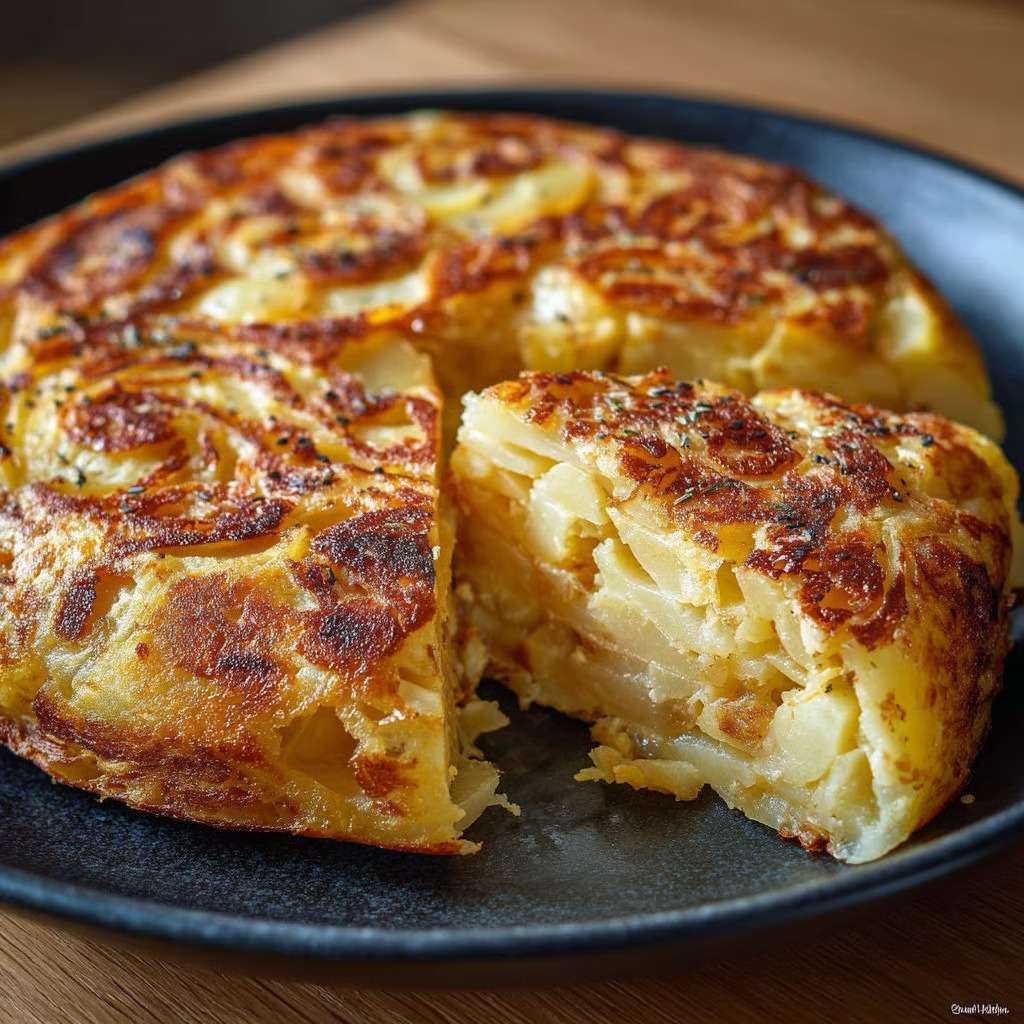
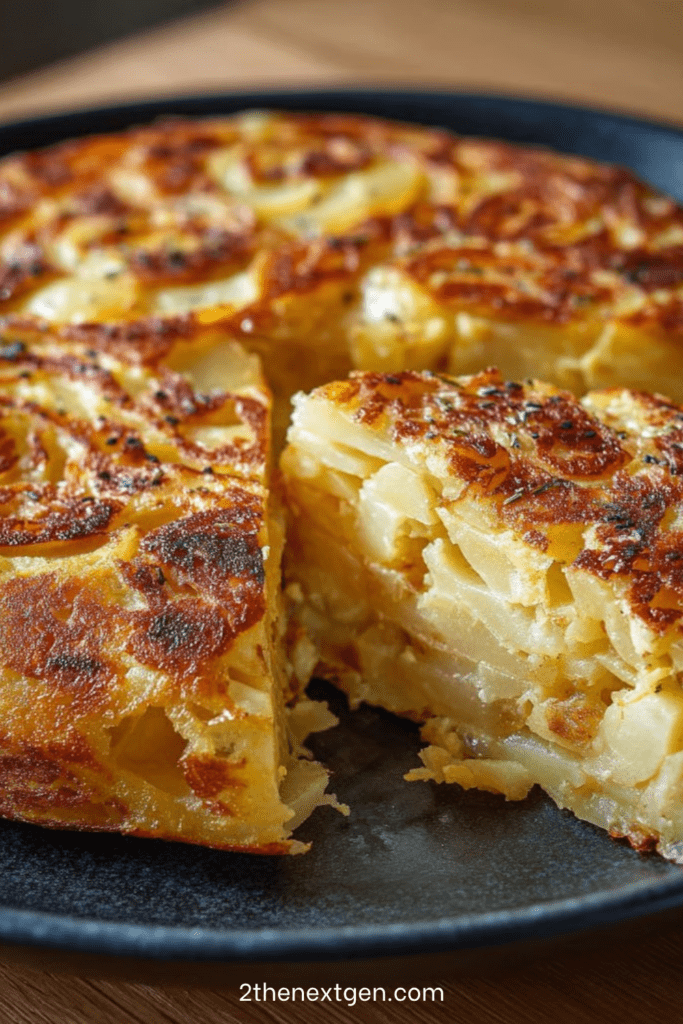
Spanish tapas-style tortilla is one of those classic recipes that proves simple ingredients can create extraordinary flavor. Made with potatoes, eggs, olive oil, and, traditionally, onion, this iconic dish is beloved for its tender texture, golden surface, and comforting taste. Although it is humble in composition, it delivers a rich and satisfying result that feels both rustic and elegant at the same time.
Moreover, this recipe is incredibly versatile. You can serve it warm, at room temperature, or even cold, which makes it ideal for many occasions. For example, it works beautifully as a tapas dish for sharing, a light lunch with salad, a picnic favorite, or even a quick dinner when you want something homemade and nourishing. Because of its practicality and timeless flavor, Spanish tortilla remains a staple in kitchens far beyond Spain.
In addition, this recipe does not require complicated techniques or expensive ingredients. Therefore, it is an excellent choice for beginners, while still being appreciated by experienced cooks who love traditional recipes. With a little care and patience, you can create a tortilla that is simple, authentic, and deeply satisfying.
If you are looking for a dish that is comforting, easy to prepare, and perfect for sharing, this Spanish tapas-style tortilla recipe is one you will want to keep in your collection. Not only is it delicious, but it also brings a taste of Spain straight to your table.
History or Information About the Recipe
Spanish tortilla, also known as tortilla de patatas or tortilla española, is one of the most iconic dishes in Spanish cuisine. Despite its simplicity, it holds an important place in the culinary identity of Spain. Traditionally made with eggs, potatoes, olive oil, and sometimes onion, it is served throughout the country in homes, tapas bars, cafés, and restaurants. Consequently, it has become much more than a basic potato omelet. It is a dish with deep cultural roots and lasting popularity.
Although the exact origin of Spanish tortilla is still debated, most food historians agree that it became widespread between the eighteenth and nineteenth centuries. Potatoes, which had arrived in Europe from the Americas, gradually became a major part of the Spanish diet. Because they were affordable, filling, and widely available, they quickly found their place in everyday cooking. As a result, combining potatoes with eggs created a dish that was both nourishing and practical.
Another reason for its success is its versatility. In Spain, tortilla is often enjoyed as a tapa, cut into wedges or cubes and served with bread. However, it can also be eaten as a sandwich filling, a light meal, or a picnic dish. Since it tastes good at different temperatures, it is especially convenient for gatherings and casual dining. Furthermore, it keeps well, which adds to its practicality.
Today, Spanish tapas-style tortilla continues to be loved for its authentic character, rich texture, and comforting taste. Even with only a few ingredients, it captures the essence of traditional Mediterranean cooking: simplicity, quality products, and careful preparation. Therefore, learning how to make a good tortilla is not only useful, but also a wonderful way to experience one of Spain’s most beloved classics.
Ingredients
- 500 g potatoes
- 6 eggs
- 1 onion, optional but traditional
- 10 cl olive oil
- Salt
- Pepper
Preparation Step by Step
Step 1: Prepare the potatoes
First, peel the potatoes and cut them into thin rounds or half-rounds. Try to keep the slices even so they cook at the same rate. Thin slices are especially important because they become tender more easily and blend beautifully with the eggs later on.
If your potatoes are large, cutting them into half-rounds is often more practical. On the other hand, if they are smaller, full thin rounds work perfectly. In either case, avoid cutting them too thick, or they may take longer to soften. Therefore, a thin, regular cut is key to achieving the classic tender tortilla texture.
At this stage, if you are using onion, peel it and mince or thinly slice it as well. The onion should not dominate the dish, but rather melt gently into the potatoes and add subtle sweetness. Although onion is optional, it is considered traditional in many Spanish homes.
Step 2: Slow-cook the potatoes and onion
Next, heat the olive oil in a large skillet over medium-low heat. Once the oil is warm, add the potatoes and the onion if using. Then cook them gently for about 15 minutes, stirring occasionally, until the potatoes are tender but not too browned.
This step is essential because the potatoes should soften slowly rather than fry aggressively. In fact, Spanish tortilla is not about crisp fried potatoes. Instead, the goal is to confit them gently in olive oil so they become silky, tender, and full of flavor. As a result, the finished tortilla will have that signature soft interior.
Be patient during this stage. If the heat is too high, the potatoes may brown too much before becoming tender inside. Conversely, slow cooking allows them to absorb the olive oil and develop a delicate, almost creamy texture. Once they are cooked, drain them well, keeping a little of the oil if needed for the skillet later.
Step 3: Beat the eggs
Meanwhile, crack the eggs into a large bowl and beat them with salt and pepper. Whisk just enough to combine the yolks and whites into a smooth mixture. You do not need to overbeat them, but you do want the seasoning distributed evenly.
This egg mixture is what binds the potatoes together and creates the tortilla’s fluffy structure. Therefore, seasoning at this stage is very important. Although the ingredient list is short, proper seasoning helps each element shine. In addition, because potatoes absorb salt, do not be afraid to season the eggs well.
Step 4: Combine the potatoes with the eggs
After the potatoes have softened and been drained, add them to the bowl of beaten eggs. Then mix gently so the potatoes are evenly coated without breaking them too much. Ideally, let the mixture sit for a few minutes before cooking. This brief resting time helps the potatoes absorb some of the egg and gives the tortilla a more cohesive texture.
At this point, the mixture should look generous in potatoes rather than overly liquid. That balance is exactly what makes a good Spanish tortilla. The eggs should coat and bind the potatoes, but the potato should remain the star ingredient. Consequently, the final result feels hearty, tender, and authentic.
Step 5: Start cooking the tortilla
Now place a lightly oiled skillet over low heat. Pour the potato and egg mixture into the hot skillet and spread it evenly. Then let it cook gently for 5 to 7 minutes. During this time, the bottom will begin to set and turn lightly golden, while the top remains softer.
Keep the heat low so the tortilla cooks evenly without burning. This is particularly important because the center should stay fluffy and slightly creamy. If the heat is too strong, the outside may brown too quickly while the inside stays undercooked. Therefore, slow and gentle cooking is the best method.
You can lightly shake the pan now and then to make sure the tortilla is not sticking. As the edges set, use a spatula to loosen them slightly. This will make the flipping step easier.
Step 6: Flip the tortilla
Once the bottom is set and the top is still slightly loose, it is time to flip the tortilla. Place a large plate over the skillet, then carefully invert the pan so the tortilla lands on the plate. After that, slide it back into the skillet to cook the other side.
Although this step may seem intimidating at first, it becomes much easier with practice. The important thing is to move confidently and carefully. Once the tortilla is back in the skillet, continue cooking for about 5 more minutes. This second cooking stage finishes the outside while preserving the soft interior.
A properly cooked tortilla should be golden on both sides and tender in the middle. In Spain, many people prefer the center slightly runny, which gives the tortilla a luxurious texture. However, you can cook it a little longer if you prefer it more set.
Step 7: Rest and serve
Finally, let the tortilla rest for a few minutes before cutting. This short resting time helps it settle, making slicing easier and allowing the flavors to come together. Then cut it into wedges for a classic presentation or into cubes for a more traditional tapas-style serving.
You can serve it warm, at room temperature, or chilled. In fact, each option has its own appeal. Warm tortilla feels especially comforting, while room-temperature tortilla is perfect for tapas spreads and picnics. Because it is so adaptable, it is a recipe you can prepare for many different occasions.
Nutritional Information
Nutritional values may vary depending on the size of the eggs, the type of potatoes, and the amount of oil absorbed during cooking. However, for a tortilla serving 4 to 6 people, one average portion contains approximately:
- Calories: 260 to 340
- Protein: 9 to 12 g
- Carbohydrates: 18 to 24 g
- Fat: 16 to 23 g
- Saturated Fat: 3 to 4 g
- Fiber: 2 to 3 g
- Sodium: variable depending on seasoning
Because this recipe includes eggs, potatoes, and olive oil, it offers a balance of protein, carbohydrates, and fat. Moreover, olive oil contributes a rich flavor and is a classic part of Mediterranean cooking. Therefore, when served with a salad or vegetables, Spanish tortilla can be part of a satisfying and balanced meal.
FAQ
What is the difference between Spanish tortilla and a regular omelet?
Spanish tortilla is thicker and more substantial than a regular omelet because it contains a large amount of potatoes and often onion. In contrast, a standard omelet is usually thinner and cooks much faster. As a result, Spanish tortilla has a denser yet tender texture that makes it filling and suitable for tapas, lunch, or dinner.
Should Spanish tortilla include onion?
This depends on personal preference and regional tradition. Many people believe onion is essential because it adds sweetness and extra flavor. Others prefer a tortilla made only with potatoes and eggs. Fortunately, both versions are considered authentic by different cooks, so you can choose the one you enjoy most.
How do I keep the tortilla soft inside?
The key is to cook the potatoes slowly and to avoid overcooking the tortilla in the skillet. In addition, low heat is very important during the final cooking stage. If you want a truly authentic Spanish-style result, the center should remain slightly creamy rather than completely dry.
Can I make Spanish tortilla ahead of time?
Yes, absolutely. In fact, Spanish tortilla is one of the best make-ahead dishes because it tastes excellent at room temperature. You can prepare it a few hours in advance or even the day before, then store it in the refrigerator. Before serving, let it sit at room temperature for a little while for the best flavor and texture.
What potatoes are best for Spanish tortilla?
Waxy or all-purpose potatoes are generally the best choice because they hold their shape while becoming tender. For example, Yukon Gold or similar varieties work very well. If the potatoes are too starchy, they may break apart too much during cooking.
Can I serve tortilla as tapas?
Yes, that is one of the most traditional ways to enjoy it. You can cut the tortilla into small cubes, squares, or wedges and serve it with toothpicks for easy sharing. Therefore, it is perfect for tapas platters, buffets, casual gatherings, or appetizers.
How long does Spanish tortilla keep?
Spanish tortilla can usually be kept in the refrigerator for up to 2 days. Make sure it is covered well to preserve its texture and freshness. Then serve it cold or bring it back to room temperature before eating.
What can I serve with Spanish tortilla?
Spanish tortilla pairs well with a simple green salad, crusty bread, olives, roasted peppers, or tomato salad. If you are serving it as part of a tapas spread, it also goes wonderfully with cured meats, marinated vegetables, and other small Spanish dishes. As a result, it is very easy to include in a larger menu.
Conclusion
Spanish tapas-style tortilla is a beautiful example of how a few simple ingredients can create a dish full of character, comfort, and tradition. With tender potatoes, eggs, olive oil, and optional onion, it offers a texture that is soft, fluffy, and deeply satisfying. At the same time, its golden exterior and authentic flavor make it feel special enough for sharing with family or guests.
Moreover, this recipe is practical, versatile, and timeless. You can serve it as tapas, enjoy it as a quick meal, pack it for a picnic, or present it as part of a relaxed Mediterranean-style table. Because it tastes wonderful warm or at room temperature, it fits easily into everyday cooking as well as entertaining.
Most importantly, this Spanish tortilla recipe delivers that true homemade quality that people return to again and again. It is easy to prepare, comforting to eat, and rooted in one of Spain’s most beloved culinary traditions. If you want a simple yet authentic recipe that brings warmth and flavor to the table, this tapas-style tortilla is an excellent choice.
Check also:
Lemon Chicken Ricotta Meatballs
Chicken and meat easy Recipes
Suggestions:
- Sheet Pan Fajita-Style Beef with Roasted Peppers
- Curry Lentil Meatballs with Creamy Lemon Yogurt Sauce
- Fluffy Cheese Soufflé Omelette Recipe
- Creamy Broccoli Pesto Spaghetti with Parmesan and Almonds
- Easy Vegetable Rolled Omelet for Healthy Lunchboxes