


Share
Introduction
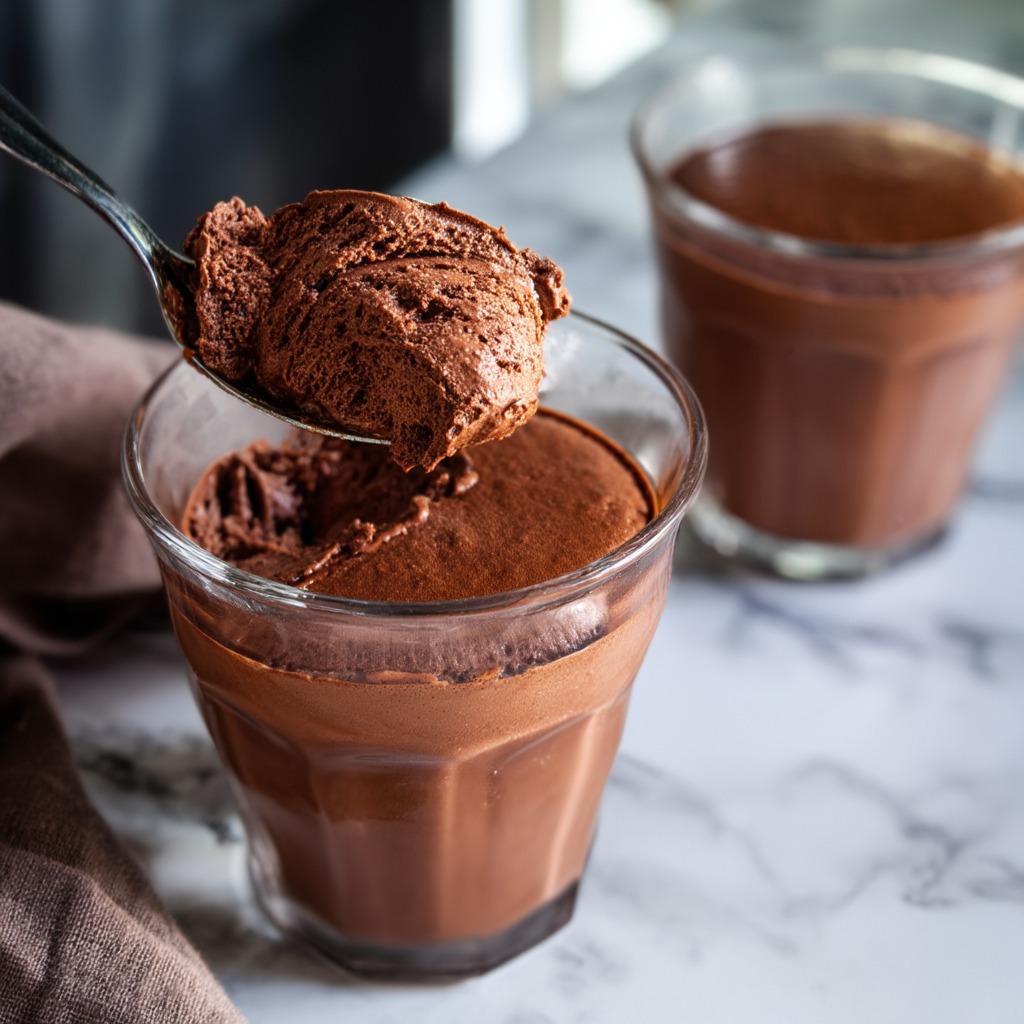
Traditional chocolate mousse is one of the most iconic desserts in classic pastry making. It is simple, elegant, and deeply satisfying, offering a perfect balance between richness and lightness. With only a few ingredients, this dessert manages to deliver an intense chocolate flavor combined with an airy, melt-in-your-mouth texture that feels both indulgent and refined.
What makes chocolate mousse so appealing is its unique structure. On one hand, the melted chocolate brings depth and intensity. On the other hand, whipped egg whites introduce air, creating a soft and delicate consistency. As a result, each spoonful feels smooth, light, and incredibly satisfying. Moreover, this contrast is what transforms a basic mixture into a sophisticated dessert.
Another advantage of this recipe is its accessibility. Even though chocolate mousse has a reputation for being a classic French dessert, it is surprisingly easy to prepare at home. You do not need any advanced equipment or complicated techniques. Instead, with careful mixing and a little patience, you can achieve a professional-quality result.
In addition, this dessert is incredibly versatile. It can be served in elegant glasses for a refined presentation, or simply enjoyed in small bowls for a comforting treat. Furthermore, it pairs well with many toppings, such as chocolate shavings, fresh berries, or a pinch of sea salt, which can enhance its flavor even more.
In this complete SEO optimized guide, you will discover everything about traditional chocolate mousse. From its history and characteristics to the ingredients, detailed preparation steps, nutritional information, and frequently asked questions, this article will help you master a timeless dessert that is always a success.
History and Information About Chocolate Mousse
Chocolate mousse has its origins in French culinary tradition, where the word “mousse” means foam. This name perfectly describes the texture of the dessert, which is light, airy, and full of tiny bubbles created by whipped egg whites. Over time, chocolate mousse became one of the most celebrated desserts in French cuisine due to its elegant simplicity and rich flavor.
Historically, mousse recipes evolved as cooks experimented with different ways to create light textures without baking. By folding whipped egg whites into flavored mixtures, they discovered a technique that produced a soft, cloud-like consistency. When chocolate was introduced into this method, it created a dessert that was both intense and delicate at the same time.
One of the defining characteristics of traditional chocolate mousse is its minimal ingredient list. Unlike modern variations that may include cream or gelatin, the authentic version relies primarily on chocolate and eggs. Because of this, the quality of the chocolate plays a crucial role. A good dark chocolate will result in a deeper and more refined flavor.
Furthermore, the technique of folding egg whites into the chocolate mixture is essential. It requires gentle handling to preserve the air bubbles, which give the mousse its signature lightness. Therefore, mastering this step is key to achieving the perfect texture.
Today, chocolate mousse remains a staple dessert around the world. It is appreciated not only for its taste but also for its versatility and ease of preparation. Whether served in fine dining restaurants or homemade in a simple kitchen, it continues to delight chocolate lovers everywhere.
Ingredients
Ingredients for Traditional Chocolate Mousse
- 200 g dark chocolate
- 4 eggs
- 1 pinch of salt
- 30 g sugar, optional
Preparation Step by Step
Step 1: Melt the Chocolate Gently
Start by melting the dark chocolate using a double boiler or a microwave. If you use a microwave, heat it in short intervals, stirring between each one to avoid burning the chocolate.
Once melted, let the chocolate cool slightly. This step is important because if the chocolate is too hot, it may cook the egg yolks when mixed later. Therefore, aim for a warm but not hot consistency.
This melted chocolate will form the base of your mousse, so it should be smooth, glossy, and free of lumps.
Step 2: Separate the Egg Whites and Yolks
Carefully separate the egg whites from the yolks, placing them in two different bowls. Make sure no yolk gets into the whites, as this could prevent them from whipping properly.
This separation is essential because each part of the egg plays a different role. The yolks will enrich the chocolate mixture, while the whites will provide the airy texture that defines the mousse.
Step 3: Mix the Egg Yolks into the Chocolate
Add the egg yolks to the slightly cooled melted chocolate and stir until fully combined. The mixture should become thicker and smoother.
At this stage, the chocolate mixture gains richness and structure. The yolks help create a creamy base that will later support the lightness of the whipped egg whites.
Make sure everything is well incorporated so that the texture is uniform before moving to the next step.
Step 4: Whip the Egg Whites to Stiff Peaks
In a clean bowl, beat the egg whites with a pinch of salt until they form stiff peaks. If you prefer a slightly sweeter mousse, you can add sugar gradually while whipping.
The egg whites should be firm and glossy, holding their shape when you lift the whisk. This is a crucial step because the air trapped in the whites will determine how light and fluffy your mousse becomes.
Take your time with this step, as properly whipped whites are key to success.
Step 5: Gently Fold the Egg Whites into the Chocolate
Add a small portion of the whipped egg whites to the chocolate mixture and stir to loosen it. Then, gradually fold in the remaining whites using a spatula.
Use gentle, upward folding motions to preserve as much air as possible. Avoid stirring too vigorously, as this would deflate the mixture and result in a dense mousse.
As you fold, the mixture will become lighter in color and texture. This transformation is what creates the mousse’s signature airy consistency.
Step 6: Chill the Mousse Until Set
Spoon the mousse into small glasses or serving bowls. Then place them in the refrigerator for at least 3 hours.
During this chilling time, the mousse will set and develop its final texture. It will become firmer while still remaining soft and creamy inside.
For the best result, allow enough time for the mousse to fully chill before serving. This step ensures a perfect balance between structure and smoothness.
Nutritional Information
Traditional chocolate mousse is a rich dessert that delivers intense flavor with relatively simple ingredients. Since it is made primarily with chocolate and eggs, it provides fats and proteins along with carbohydrates from the chocolate and optional sugar.
On average, one serving may contain around 250 to 350 calories, depending on the type of chocolate used and whether sugar is added. Dark chocolate contributes antioxidants and a deep cocoa flavor, while eggs provide protein and help create the mousse’s texture.
Although this dessert is indulgent, it is also portion-friendly. Because of its richness, a small serving is often enough to satisfy a sweet craving. As always, nutritional values may vary based on ingredient quality and portion size.
FAQ
Why is my chocolate mousse too dense?
A dense mousse is usually the result of overmixing or poorly whipped egg whites. To avoid this, make sure the whites are beaten to stiff peaks and fold them gently into the chocolate mixture without overworking it.
Can I make chocolate mousse without sugar?
Yes, you can omit the sugar entirely, especially if you are using a high-quality dark chocolate. The natural bitterness of the chocolate will create a more intense flavor profile.
How long should chocolate mousse chill?
It should chill for at least 3 hours. However, leaving it longer, such as overnight, can improve both texture and flavor.
Is it safe to eat mousse with raw eggs?
Traditional mousse uses raw eggs, so it is important to use fresh, high-quality eggs. If you are concerned, you can use pasteurized eggs to reduce any risk.
Can I add flavors to chocolate mousse?
Yes, you can enhance the flavor by adding a pinch of fleur de sel, a small amount of coffee, or even a hint of vanilla. These additions can intensify the chocolate taste without overpowering it.
How should I store chocolate mousse?
Store it in the refrigerator, covered, for up to 2 days. For best texture and freshness, it is recommended to consume it within this time frame.
Conclusion
Traditional chocolate mousse is a timeless dessert that perfectly combines simplicity and elegance. With its rich chocolate base and airy texture, it offers a unique experience that feels both indulgent and light. Moreover, its minimal ingredient list and straightforward preparation make it accessible to everyone.
Because of its versatility, it can be adapted to different tastes and occasions while still preserving its classic charm. Whether served at a dinner party or enjoyed as a personal treat, it always delivers satisfaction.
If you are looking for a dessert that is quick to prepare, deeply flavorful, and universally loved, traditional chocolate mousse is an excellent choice. Once you master this recipe, it will undoubtedly become one of your favorite go-to desserts.
Check also:
Lemon Chicken Ricotta Meatballs
Chicken and meat easy Recipes
Suggestions:
- Sheet Pan Fajita-Style Beef with Roasted Peppers
- Curry Lentil Meatballs with Creamy Lemon Yogurt Sauce
- Fluffy Cheese Soufflé Omelette Recipe
- Creamy Broccoli Pesto Spaghetti with Parmesan and Almonds
- Easy Vegetable Rolled Omelet for Healthy Lunchboxes