


Share
If you love frozen desserts but want something creamier, smoother, and more refined than standard ice cream, this Italian gelato recipe is exactly what you need. Rich in flavor, silky in texture, and beautifully dense, gelato is one of the most iconic desserts in Italy. It is loved for its luxurious mouthfeel, slower melt, and intense taste that makes every spoonful feel special.
Homemade gelato may sound intimidating at first, but it is much easier to make than many people think. With the right ingredients, a simple custard base, and a few smart tips, you can create a frozen dessert at home that feels elegant and authentic. Whether you prefer classic vanilla, rich chocolate, or nutty pistachio, the beauty of a traditional Italian gelato recipe is that the base is versatile and easy to adapt.
This complete WordPress-ready guide will show you everything you need to know to make homemade gelato successfully. You will learn what makes gelato different from regular ice cream, where it comes from, which ingredients matter most, how to prepare it step by step, the best tips for texture and flavor, how to store it, how to serve it, and answers to the most common questions. If you have ever wanted to make real Italian gelato at home, this is the recipe article to keep.
What Is Gelato?
Gelato is the Italian version of ice cream, but it has several important differences that give it its signature texture and flavor. It is generally made with more milk than cream, which means it contains less fat than many traditional ice cream recipes. It is also churned more slowly, so less air is incorporated into the mixture. The result is a frozen dessert that is denser, smoother, and more intensely flavored.
One of the most noticeable features of gelato is its texture. It feels silkier and softer than standard ice cream, especially when served at the proper temperature. Because it contains less air, the flavor is often more concentrated, which is why even simple gelato flavors taste so rich and satisfying.
A classic Italian gelato recipe is based on a smooth custard made with milk, sugar, and egg yolks. Depending on the flavor, it may also include cream, chocolate, vanilla, nuts, fruit purees, or coffee. The base is chilled, churned, and then frozen until ready to serve.
The History of Italian Gelato
Gelato has a long and fascinating history in Italy. While frozen desserts have existed in various forms for centuries, Italy played a major role in transforming them into the creamy and elegant treat we know today. Many culinary historians connect the development of gelato to the Renaissance period, when frozen confections became more refined in aristocratic kitchens.
Florence is often mentioned in stories about the rise of gelato, and over time the dessert spread across Italy, becoming a treasured part of the country’s food culture. Artisanal gelaterias began offering carefully crafted flavors made from fresh milk, seasonal fruits, nuts, chocolate, and coffee. Each region developed its own favorites, and gelato became not just a dessert but an everyday pleasure.
Today, gelato is recognized all over the world, but authentic Italian gelato still stands apart because of its dense texture, balanced sweetness, and focus on real ingredients. A homemade Italian gelato recipe allows you to bring a little of that tradition into your own kitchen while enjoying the freshness and satisfaction of making it yourself.
Why You Will Love This Italian Gelato Recipe
There are many reasons to fall in love with gelato, especially when it is homemade.
First, the texture is exceptional. This dessert is smooth, dense, and creamy without feeling too heavy. It has a more luxurious mouthfeel than many standard ice creams.
Second, the flavor is more pronounced. Because gelato contains less fat and less air, the taste of vanilla, chocolate, pistachio, or any other flavor comes through more clearly.
Third, this Italian gelato recipe is flexible. Once you master the base, you can create many different versions depending on the season, your cravings, or the ingredients you have on hand.
Finally, making gelato at home is deeply rewarding. There is something special about serving a frozen dessert that tastes authentic, elegant, and fresh, especially when you made it yourself from simple ingredients.
Ingredients for Italian Gelato Recipe
This recipe makes a classic gelato base that you can enjoy as vanilla gelato or adapt with other flavors.
Main Ingredients
- 500 ml whole milk
- 120 g granulated sugar
- 4 large egg yolks
- 150 ml heavy cream
- 1 vanilla bean or 2 teaspoons pure vanilla extract
- A pinch of salt
Optional Flavor Variations
- 100 g melted dark chocolate for chocolate gelato
- 80 to 100 g pistachio paste for pistachio gelato
- 2 teaspoons instant espresso or 60 ml strong espresso for coffee gelato
- Fruit puree for fruit-based variations
Ingredient Notes for the Best Italian Gelato Recipe
Whole Milk
Milk is one of the key ingredients that makes gelato different from many standard ice creams. It gives the dessert a lighter body while still allowing for a creamy result. Whole milk is best because it provides enough richness without making the gelato too heavy.
Sugar
Sugar does more than sweeten gelato. It also affects texture by helping the mixture stay softer in the freezer. This is important because gelato should be smooth and scoopable, not rock hard.
Egg Yolks
Egg yolks enrich the base and help create the signature silky texture. They also thicken the custard gently, giving the gelato more body and smoothness.
Heavy Cream
Traditional gelato uses less cream than many ice creams, but a small amount helps create a balanced texture. The cream should support the milk, not overpower it.
Vanilla
Vanilla is one of the most classic gelato flavors and a great place to start if you are learning the method. A vanilla bean gives a more elegant and aromatic flavor, but good-quality vanilla extract also works very well.
Salt
A tiny pinch of salt helps bring out the sweetness and balance the overall flavor of the gelato.
Kitchen Tools You Will Need
You do not need a professional gelato machine to make this recipe, although an ice cream maker does make the process easier and the texture more authentic.
Recommended Tools
- Medium saucepan
- Whisk
- Mixing bowls
- Fine sieve
- Measuring jug
- Ice cream maker or freezer-safe container
- Spatula
- Thermometer, optional but helpful
If you do not have an ice cream maker, you can still make gelato by freezing the base and stirring it regularly during the first few hours to break up ice crystals.
What Makes Gelato Different from Ice Cream?
Before making this Italian gelato recipe, it helps to understand why gelato feels so different from regular ice cream.
Gelato usually contains less fat because it relies more heavily on milk than cream. It also incorporates less air during churning, which gives it a denser texture. In addition, gelato is served slightly warmer than traditional ice cream, so it feels softer and silkier on the tongue.
Because of these differences, gelato delivers flavor in a more direct and intense way. It is creamy without being overly rich, smooth without feeling fluffy, and elegant without being complicated.
How to Make Italian Gelato Recipe
Follow these detailed steps for a smooth and delicious homemade gelato.
Step 1: Heat the Milk and Vanilla
Pour the whole milk and heavy cream into a saucepan. If using a vanilla bean, split it lengthwise, scrape out the seeds, and add both the seeds and the pod to the pan. Add a pinch of salt.
Warm the mixture over medium-low heat until it is hot but not boiling. Stir occasionally. If you are using vanilla extract instead, wait and add it later after cooking the custard.
Heating the milk gently helps infuse the vanilla flavor and prepares the base for the egg yolks.
Step 2: Whisk the Egg Yolks and Sugar
In a separate bowl, whisk the egg yolks with the sugar until the mixture becomes pale, smooth, and slightly thickened.
This step is important because it begins dissolving the sugar and creates the base structure for the custard. The mixture should look creamy and uniform before you add the hot milk.
Step 3: Temper the Eggs
Slowly pour a small amount of the hot milk mixture into the egg yolks while whisking constantly. Continue adding the hot liquid little by little.
This process is called tempering. It gently raises the temperature of the eggs so they do not scramble when added to the saucepan.
Step 4: Cook the Custard
Pour the tempered egg mixture back into the saucepan. Cook over low heat, stirring constantly with a spatula or wooden spoon.
The custard is ready when it thickens enough to coat the back of a spoon. If you have a thermometer, aim for around 82 to 84 degrees Celsius. Do not let it boil.
This is one of the most important steps in the recipe. Gentle cooking gives the gelato its silky consistency.
Step 5: Strain the Mixture
Remove the custard from the heat and strain it through a fine sieve into a clean bowl.
This step helps eliminate any tiny lumps and ensures that your gelato base is perfectly smooth. If you used a vanilla bean, discard the pod after straining.
If using vanilla extract, stir it in now while the custard is still warm.
Step 6: Chill the Base
Cover the bowl and let the mixture cool. Then refrigerate it for at least 4 hours, or preferably overnight.
Chilling the base thoroughly is essential. A cold base churns better, develops a smoother texture, and allows the flavors to mature.
Step 7: Churn the Gelato
Pour the chilled base into your ice cream maker and churn according to the manufacturer’s instructions.
The gelato should become thick, creamy, and softly frozen. This usually takes around 20 to 30 minutes depending on the machine.
Because gelato is traditionally denser than ice cream, you are looking for a smooth and compact texture rather than a very airy one.
Step 8: Freeze Briefly Before Serving
Transfer the churned gelato to a freezer-safe container. Cover and freeze for 1 to 2 hours if you want a firmer texture.
Homemade gelato is often best after a short freezing time rather than a very long one. If frozen overnight, let it sit at room temperature for several minutes before scooping.
How to Make Gelato Without an Ice Cream Maker
You can still enjoy this Italian gelato recipe even if you do not own an ice cream maker.
After chilling the custard base, pour it into a shallow freezer-safe container. Freeze it for about 45 minutes, then remove it and whisk or stir vigorously to break up the ice crystals. Return it to the freezer and repeat this process every 30 to 45 minutes for about 3 to 4 hours.
This method will not create exactly the same texture as machine-churned gelato, but it can still produce a delicious and creamy result if done carefully.
Tips for the Best Italian Gelato Recipe
A few simple tips can make a big difference in the final texture and flavor.
Use High-Quality Ingredients
Because gelato is simple, the flavor of each ingredient really matters. Good milk, fresh egg yolks, and pure vanilla will noticeably improve the result.
Do Not Boil the Custard
Boiling can damage the texture and cause the eggs to curdle. Always keep the heat low and cook gently.
Chill the Base Thoroughly
A fully chilled base churns more efficiently and creates a smoother gelato with fewer ice crystals.
Freeze in a Shallow Container
A shallow container helps the gelato cool evenly and makes it easier to scoop later.
Let It Soften Slightly Before Serving
Gelato should not be served straight from a very hard freeze. Letting it sit for a few minutes improves the texture and brings out the flavor.
Common Mistakes to Avoid
Even a simple frozen dessert can go wrong if a few details are overlooked.
Overcooking the Custard
If the custard gets too hot, the egg yolks may scramble and create a grainy texture. Stir constantly and cook gently.
Skipping the Straining Step
Even if the custard looks smooth, straining helps ensure a silkier final result.
Not Chilling the Base Long Enough
A warm or barely cool base will not churn properly and may form more ice crystals.
Freezing Too Long Before Serving
Homemade gelato can become quite firm in the freezer. For the best texture, let it soften slightly before scooping.
Using Too Much Cream
Too much cream can make the dessert taste more like regular ice cream than gelato. The balance of milk and cream is what gives gelato its lighter feel.
Flavor Variations for This Italian Gelato Recipe
Once you have mastered the base, you can customize it in many ways.
Vanilla Gelato
The classic version is beautifully simple and elegant. It pairs well with fruit desserts, cakes, espresso, or a drizzle of chocolate sauce.
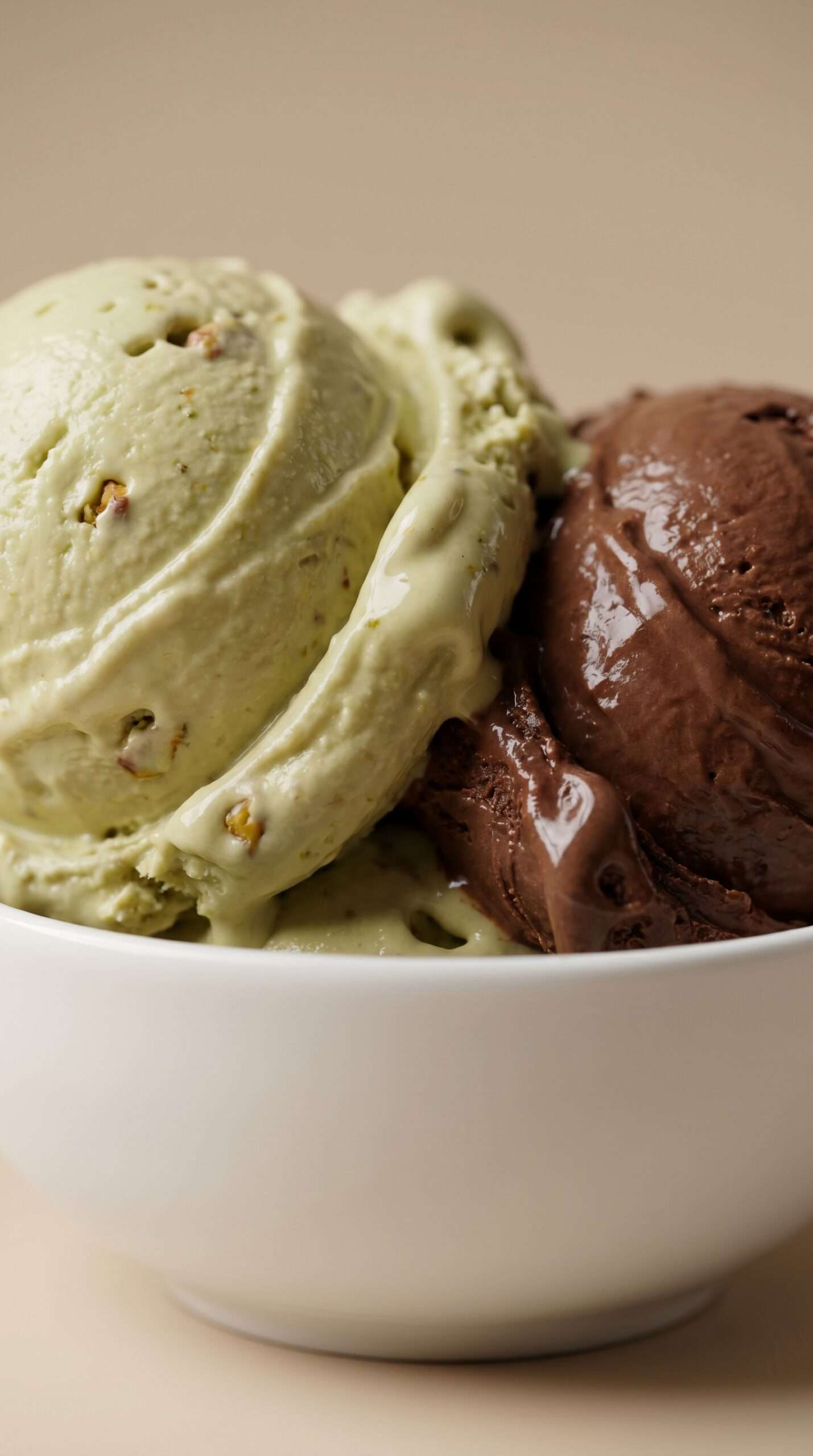
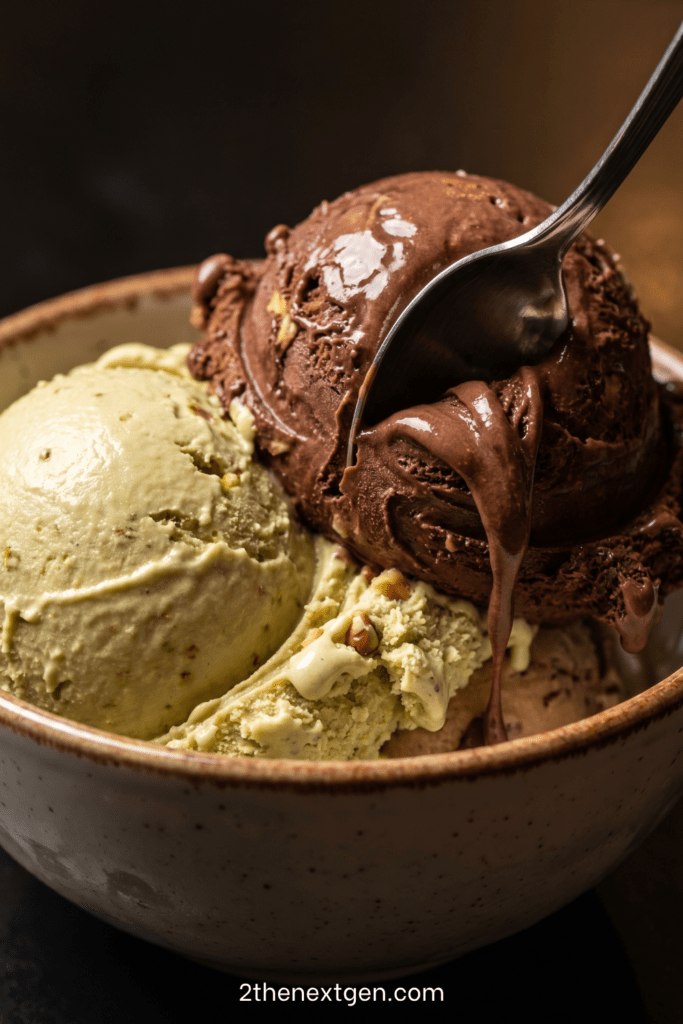
Chocolate Gelato
Stir melted dark chocolate into the warm custard after cooking. This creates a richer and more intense frozen dessert.
Pistachio Gelato
Add pistachio paste to the base for one of the most iconic Italian gelato flavors. A little chopped pistachio on top adds texture and beauty.
Coffee Gelato
Add strong espresso or dissolved instant coffee for a deep and aromatic flavor that works perfectly after dinner.
Hazelnut Gelato
Hazelnut paste or praline paste creates a rich nutty variation inspired by classic Italian flavors.
Fruit Gelato
Fruit-based gelato can be made by folding fruit puree into the chilled base, though fruit versions are often lighter and may require slightly different proportions for the best texture.
Serving Ideas for Italian Gelato Recipe
Gelato is delicious on its own, but it can also be served in elegant and creative ways.
Serve it in chilled bowls for a classic presentation. Add a wafer, a few chopped nuts, or a small mint leaf for a simple decorative touch.
You can also pair gelato with warm desserts such as brownies, chocolate cake, or fruit tart. The contrast between warm and cold makes each bite even more satisfying.
For a more Italian-style dessert experience, serve a scoop of vanilla or coffee gelato alongside an espresso. It is simple, refined, and perfect for guests.
Gelato is also wonderful in dessert glasses layered with fruit compote, crushed biscuits, or chocolate sauce for a more elaborate presentation.
How to Store Homemade Gelato
This Italian gelato recipe is best enjoyed within a few days of making it.
Store the gelato in an airtight freezer-safe container. Press a piece of parchment paper or plastic wrap directly onto the surface before closing the lid. This helps reduce ice crystal formation.
For the best texture, enjoy it within 3 to 5 days. Homemade gelato does not contain the stabilizers used in commercial products, so it is at its best when fresh.
If the gelato becomes very firm, let it rest at room temperature for 5 to 10 minutes before scooping.
Nutritional Information
The following values are approximate and will vary depending on the flavor and serving size.
Per Serving
- Calories: 220 to 280 kcal
- Carbohydrates: 24 g
- Protein: 5 g
- Fat: 12 g
- Saturated Fat: 6 g
- Sugar: 22 g
- Sodium: 45 mg
Homemade gelato is a rich and satisfying dessert, but because of its dense texture and intense flavor, even a moderate serving feels indulgent.
Why This Italian Gelato Recipe Is Perfect for Homemade Desserts
There is something uniquely rewarding about making gelato at home. Unlike many store-bought frozen desserts, homemade gelato gives you control over the ingredients, sweetness, and flavor quality.
It is an excellent recipe for people who enjoy classic desserts with a refined touch. It also allows you to create authentic flavors that can be difficult to find in regular supermarkets.
This gelato recipe is especially perfect for entertaining because it can be made in advance and served in elegant, simple portions. Whether you are planning a summer dinner, a weekend treat, or a special family dessert, gelato brings a little bit of Italian charm to the table.
Another reason to love it is its versatility. Once the technique becomes familiar, you can make endless flavor variations throughout the year using the same core method.
FAQ About Italian Gelato Recipe
What is the difference between gelato and ice cream?
Gelato usually contains more milk and less cream than ice cream, and it is churned more slowly with less air. This gives it a denser, smoother texture and a more intense flavor.
Can I make gelato without an ice cream maker?
Yes, you can. While an ice cream maker creates a more authentic texture, you can freeze the base in a container and stir it regularly to reduce ice crystals.
Why is my homemade gelato icy?
This can happen if the base was not chilled enough, if it was not churned properly, or if it stayed in the freezer too long without protection from air.
Can I make this recipe without eggs?
Yes, some gelato recipes are egg-free, but egg yolks help create a richer and smoother texture. This version uses eggs for a more classic custard-style result.
How long does homemade gelato last?
It is best enjoyed within 3 to 5 days for the smoothest texture and freshest flavor.
Why is my gelato too hard to scoop?
Homemade gelato often freezes more firmly than fresh gelato served in shops. Let it sit at room temperature for a few minutes before serving.
What is the best flavor for beginners?
Vanilla is one of the easiest and best flavors to start with because it lets you focus on mastering the texture of the base.
Can I use this recipe for other flavors?
Yes. This Italian gelato recipe is an excellent base for chocolate, coffee, pistachio, hazelnut, and other classic flavors.
Conclusion
This Italian gelato recipe is a beautiful example of how simple ingredients can become an elegant and unforgettable dessert. With its creamy texture, dense body, and rich flavor, homemade gelato brings a true taste of Italy into your kitchen.
It may be simpler than you expect, but the result feels luxurious and special. Once you understand the basic method of making the custard, chilling the base, and churning it properly, you can create many delicious variations whenever you like.
Whether you enjoy it as classic vanilla, transform it into chocolate or pistachio, or serve it with fruit, cake, or espresso, gelato is one of those timeless desserts that always feels refined. Keep this recipe in your collection and come back to it often, because homemade gelato is a treat worth making again and again.
Check also:
Lemon Chicken Ricotta Meatballs
Chicken and meat easy Recipes
Suggestions:
- Crispy Garlic Parmesan Fries Baked to Golden Perfection
- Creamy Tomato and Roasted Red Pepper Fusilli Recipe
- Juicy Grilled Beef Kofta Recipe with Creamy Yogurt Sauce
- Easy Ground Beef Fried Rice with Mixed Vegetables Recipe
- Moist Date and Walnut Loaf with Honey Glaze Recipe