


Share
Introduction
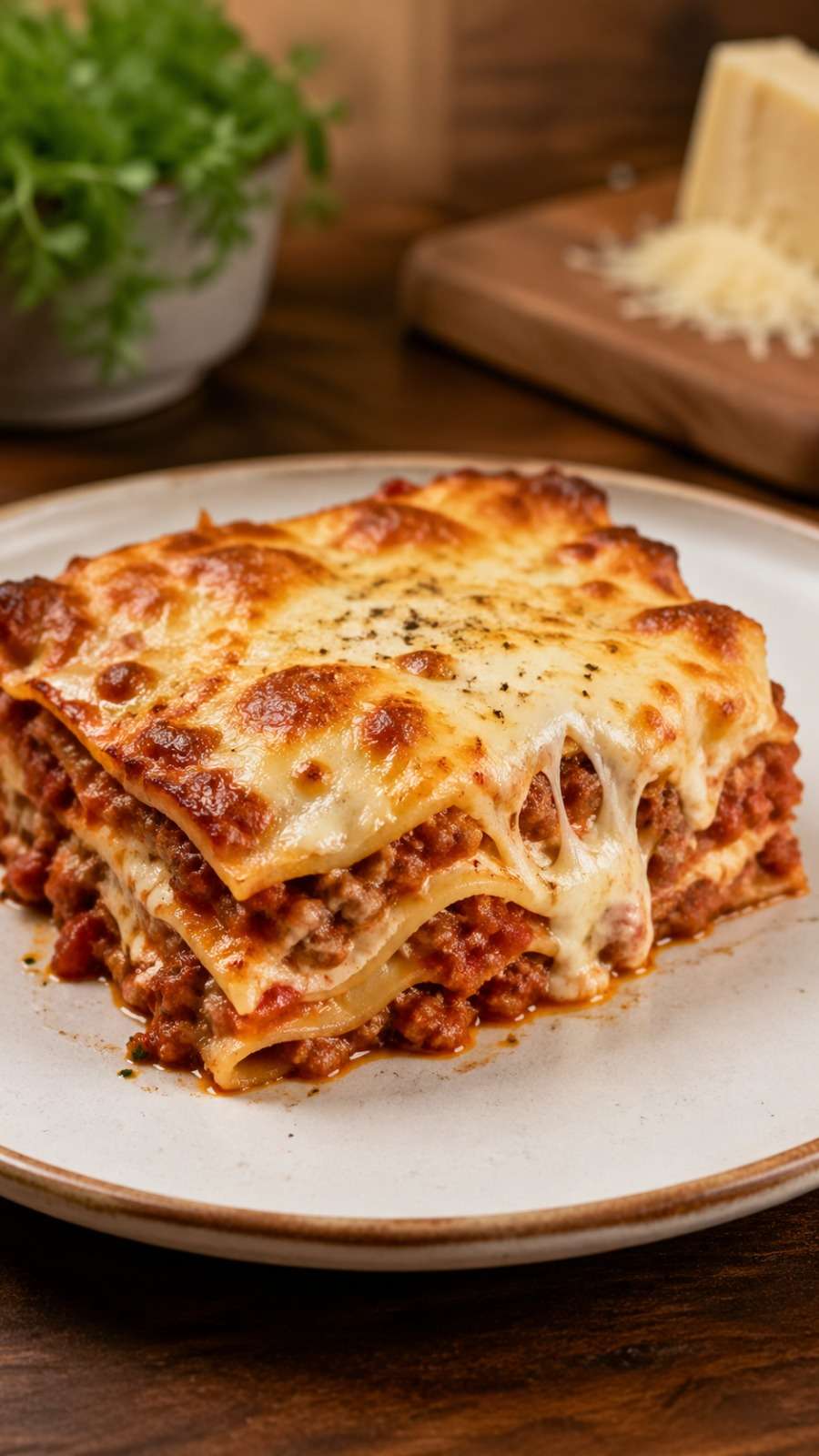
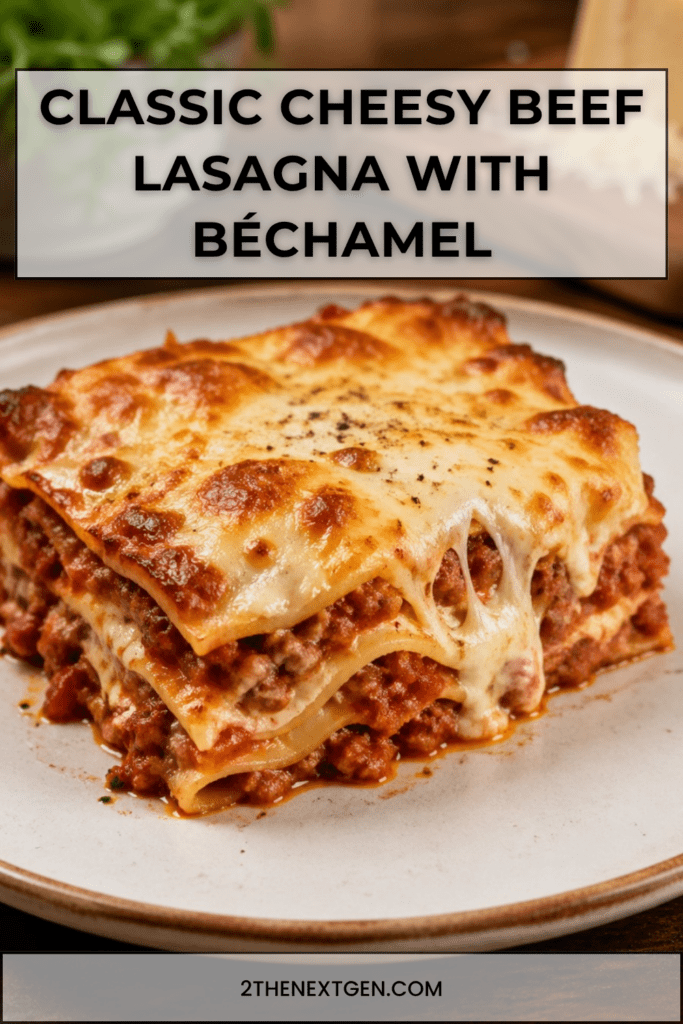
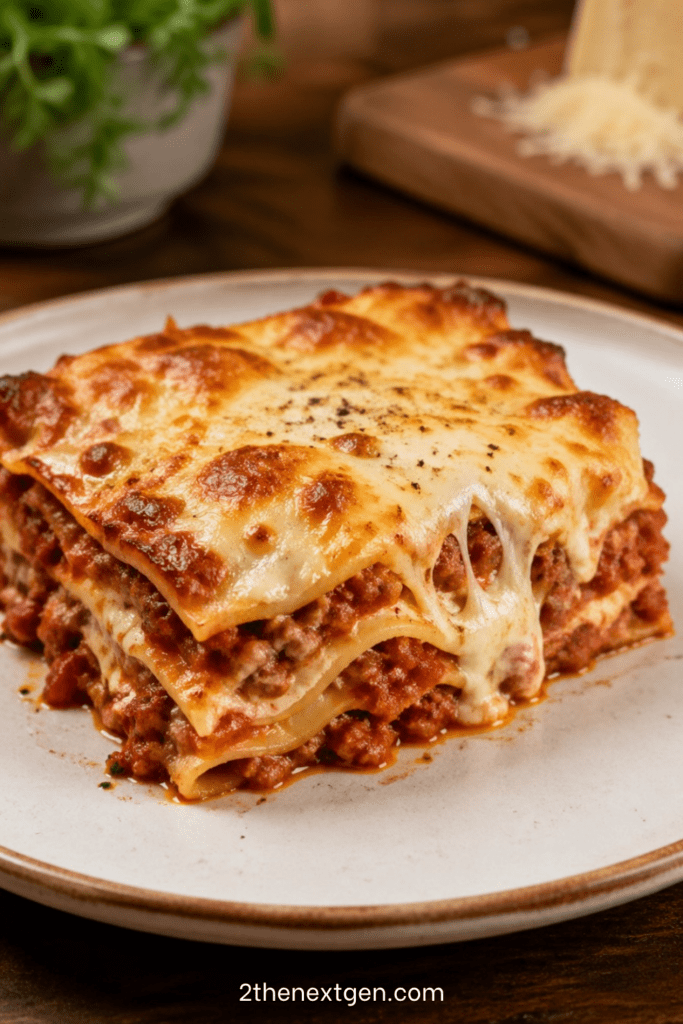
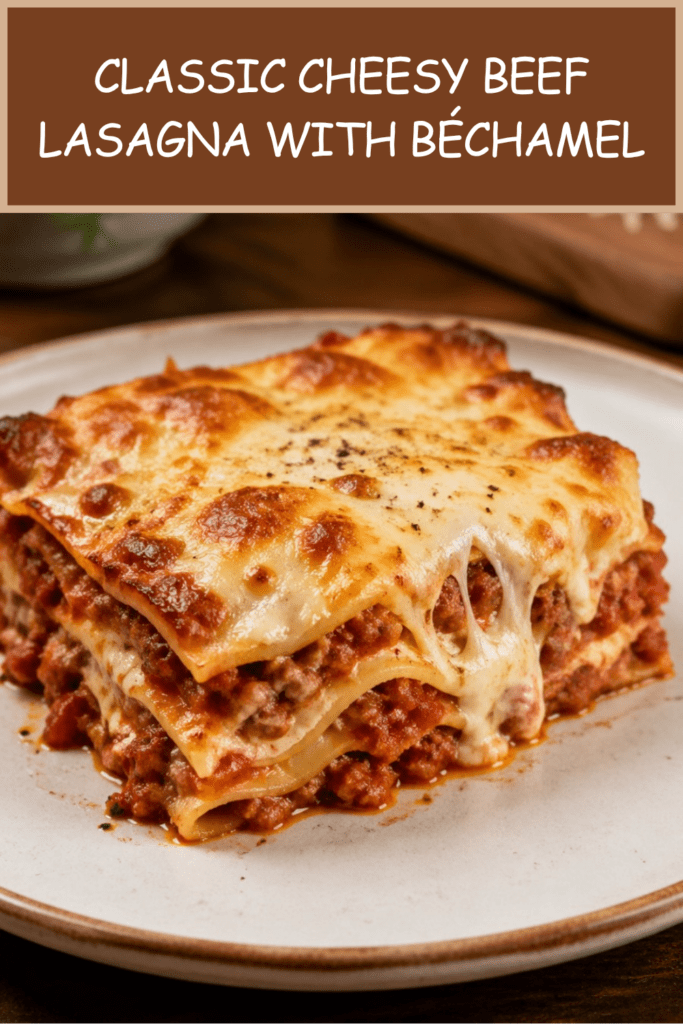
Classic Cheesy Beef Lasagna is a rich, comforting, and satisfying baked pasta dish made with layers of tender lasagna sheets, savory beef tomato sauce, creamy béchamel, melted mozzarella, and grated parmesan. It is the kind of homemade recipe that brings warmth to the table and makes any meal feel special.
This lasagna is perfect for family dinners, Sunday meals, gatherings, holidays, or cozy evenings when you want something generous and full of flavor. The meat sauce is simmered until thick and rich, the béchamel adds smooth creaminess, and the cheese melts into a golden, bubbly topping. As a result, every slice is hearty, creamy, cheesy, and beautifully layered.
Moreover, this recipe is practical because it can be prepared ahead of time. You can assemble the lasagna earlier in the day, refrigerate it, and bake it when ready to serve. In addition, leftovers reheat well, making it a great dish for meal planning.
What makes this classic beef lasagna so delicious is the balance of flavors and textures. The tomato sauce brings acidity and depth, the beef adds richness, the béchamel softens the layers, and the mozzarella creates that irresistible melted cheese finish. Therefore, if you love traditional baked pasta recipes, this cheesy beef lasagna is a must-try.
History and Information About Beef Lasagna
Lasagna is one of the most famous Italian pasta dishes in the world. Traditionally, it is made by layering pasta sheets with sauce, cheese, and sometimes meat or vegetables. Over time, many versions have developed, depending on region, family tradition, and personal taste.
In many classic Italian-style recipes, lasagna is made with a rich meat ragù and béchamel sauce. The béchamel creates a smooth and creamy texture that blends beautifully with the tomato meat sauce. In other versions, ricotta cheese is used instead. However, béchamel gives the lasagna a silky, elegant finish and helps keep the pasta layers moist.
The meat sauce in this recipe is made with ground beef, onion, garlic, tomato paste, passata or crushed tomatoes, herbs, and spices. Tomato paste adds depth, while simmering the sauce helps the flavors come together. The result is a thick and savory sauce that holds well between the pasta layers.
Mozzarella and parmesan are used for richness and flavor. Mozzarella melts beautifully and creates a stretchy, cheesy layer. Parmesan adds a salty, nutty taste and helps the top become golden during baking.
Today, classic cheesy beef lasagna is loved because it is generous, comforting, and ideal for sharing. It is a dish that can be served for casual family meals or special occasions, and it always feels homemade and satisfying.
Ingredients
For the Meat Sauce
- 500 g ground beef
- 1 onion, finely chopped
- 3 garlic cloves, minced
- 2 tablespoons olive oil
- 700 ml tomato passata or crushed tomatoes
- 2 tablespoons tomato paste
- 1 teaspoon Italian seasoning
- ½ teaspoon paprika
- ½ teaspoon sugar, optional
- Salt, to taste
- Black pepper, to taste
- Fresh basil or parsley, chopped
For the Béchamel Sauce
- 50 g butter
- 50 g all-purpose flour
- 600 ml milk
- ½ teaspoon nutmeg, optional
- Salt, to taste
- Black pepper, to taste
For Assembling
- 9 to 12 lasagna sheets
- 250 g shredded mozzarella
- 80 g grated parmesan
- Extra mozzarella for the top
Preparation Step by Step
Step 1: Prepare the Onion and Garlic
First, finely chop the onion and mince the garlic. These two ingredients create the aromatic base of the meat sauce.
A finely chopped onion blends better into the sauce and gives a smoother texture. Garlic adds depth and aroma, but it cooks quickly, so it should be added after the onion has softened.
Preparing these ingredients before turning on the heat makes the cooking process easier and prevents the garlic from burning.
Step 2: Cook the Onion
Heat the olive oil in a large pan over medium heat. Add the chopped onion and cook for 3 to 4 minutes, stirring often.
The onion should become soft and slightly translucent. This step builds sweetness and flavor in the sauce. Do not rush it, because softened onion gives the meat sauce a better homemade taste.
If the onion starts to brown too quickly, reduce the heat slightly and continue cooking gently.
Step 3: Add the Garlic and Beef
Add the minced garlic to the pan and cook for about 30 seconds, just until fragrant. Stir constantly so it does not burn.
Next, add the ground beef. Season with salt and black pepper, then cook until browned. Use a wooden spoon or spatula to break the meat apart as it cooks.
Browning the beef is important because it creates a deeper, savory flavor. Continue cooking until the meat is no longer pink and any excess moisture has mostly evaporated.
Step 4: Add Tomato Paste
Stir in the tomato paste and cook for 1 minute. This short cooking time helps deepen the flavor of the tomato paste and removes its raw taste.
The tomato paste should coat the beef and onion mixture. It will make the sauce richer, thicker, and more flavorful.
Although this step is simple, it makes a big difference in the final taste of the lasagna.
Step 5: Simmer the Meat Sauce
Add the tomato passata or crushed tomatoes to the pan. Then, add Italian seasoning, paprika, and sugar if using.
Stir well, then let the sauce simmer for 20 to 25 minutes until rich and thick. Stir occasionally so it does not stick to the bottom of the pan.
The sugar is optional, but it can help balance the acidity of the tomatoes. The paprika adds warmth and color, while Italian seasoning brings a classic herb flavor.
At the end, stir in chopped fresh basil or parsley. Taste and adjust the seasoning if needed.
Step 6: Make the Roux for the Béchamel
In a saucepan, melt the butter over medium heat. Once melted, add the flour and whisk for about 1 minute.
This butter and flour mixture is called a roux. It helps thicken the béchamel sauce. Cooking it briefly removes the raw flour taste and creates a smoother sauce.
Keep whisking so the mixture does not burn or form lumps.
Step 7: Add the Milk Slowly
Slowly pour in the milk while whisking constantly. Add the milk gradually at first, because this helps prevent lumps.
Continue whisking until all the milk is added and the sauce becomes smooth. Cook for a few minutes until the béchamel thickens.
The sauce should be creamy and pourable, not too thick. If it becomes too thick, add a small splash of milk and whisk until smooth again.
Step 8: Season the Béchamel
Season the béchamel with salt, black pepper, and nutmeg if using.
Nutmeg is optional, but it adds a warm, classic flavor that works very well with creamy sauces. Use only a small amount so it does not overpower the dish.
Once seasoned, remove the béchamel from the heat and keep it ready for assembling the lasagna.
Step 9: Prepare the Baking Dish
Preheat the oven to 180°C / 350°F. Choose a baking dish that fits your lasagna sheets well.
Spread a thin layer of meat sauce in the bottom of the dish. This prevents the pasta from sticking and adds moisture to the first layer.
Make sure the sauce covers the bottom evenly before adding the pasta sheets.
Step 10: Add the First Pasta Layer
Place a layer of lasagna sheets over the meat sauce. Depending on the size of your dish, you may need 3 or 4 sheets per layer.
If the sheets do not fit perfectly, you can break them gently to cover the corners. The goal is to create an even pasta layer.
If using no-boil lasagna sheets, make sure the sauces are moist enough so the pasta cooks properly in the oven.
Step 11: Add Meat Sauce, Béchamel, and Cheese
Spread more meat sauce over the pasta sheets. Then, add a layer of béchamel sauce.
Sprinkle with shredded mozzarella and grated parmesan. The mozzarella adds creaminess and melt, while parmesan adds flavor and helps create a golden finish.
Do not overload each layer with cheese, because you will repeat the layers. A balanced amount gives the best texture.
Step 12: Repeat the Layers
Continue layering pasta sheets, meat sauce, béchamel, mozzarella, and parmesan until all the ingredients are used.
Try to distribute the sauce evenly between the layers. This helps the lasagna bake evenly and keeps every slice moist.
Finish with a generous layer of béchamel, mozzarella, and parmesan on top. This creates the golden, bubbly surface that makes lasagna so irresistible.
Step 13: Bake Covered
Cover the baking dish with foil and bake for 25 minutes.
Covering the lasagna at the beginning helps the pasta cook through and keeps the top from browning too quickly. It also traps steam, which softens the lasagna sheets.
Make sure the foil does not press too tightly against the cheese. If needed, tent it slightly above the surface.
Step 14: Bake Until Golden
After 25 minutes, remove the foil and bake for another 15 to 20 minutes.
The top should become golden, bubbly, and slightly crispy around the edges. The sauce should be hot and bubbling, and the cheese should be melted beautifully.
If you want a more browned top, you can place the lasagna under the broiler for 1 to 2 minutes at the end. Watch carefully so it does not burn.
Step 15: Rest Before Slicing
Remove the lasagna from the oven and let it rest for 10 to 15 minutes before slicing.
This step is very important. Resting allows the layers to settle and makes the lasagna easier to cut. If you slice it immediately, the sauce may run and the layers may fall apart.
After resting, cut into generous squares and serve hot with extra parmesan and fresh parsley if desired.
Nutritional Information
The following nutritional values are approximate and may vary depending on the type of pasta, beef, milk, cheese, and portion size used.
For one serving, based on 8 servings:
Calories: approximately 480 to 650 kcal
Protein: approximately 28 g
Carbohydrates: approximately 45 g
Fat: approximately 22 to 34 g
Fiber: approximately 4 g
Sugar: approximately 8 g
Sodium: varies depending on salt, cheese, and tomato sauce used
Classic cheesy beef lasagna is a hearty main dish that provides protein from the beef and cheese, carbohydrates from the pasta, and richness from the béchamel and mozzarella. The tomato sauce adds moisture, flavor, and a little acidity to balance the creaminess.
To make the recipe lighter, use lean ground beef, reduce the mozzarella slightly, or use low-fat milk in the béchamel. You can also add vegetables such as mushrooms, spinach, zucchini, or carrots to increase freshness and fiber.
FAQ
Can I Make Lasagna Ahead of Time?
Yes, lasagna is perfect for preparing ahead. You can assemble it, cover it, and refrigerate it for up to 24 hours before baking. Add a few extra minutes to the baking time if it goes into the oven cold.
Do I Need to Cook the Lasagna Sheets First?
It depends on the type of lasagna sheets you use. Some need boiling, while no-boil sheets can go directly into the dish. Always check the package instructions.
Why Should Lasagna Rest Before Slicing?
Resting helps the layers set and makes the slices cleaner. If you cut the lasagna immediately after baking, the sauce and cheese may run too much.
Can I Add Red Wine to the Meat Sauce?
Yes, red wine adds deeper flavor. Add a splash after browning the beef and before adding the tomatoes. Let it simmer for a minute so the alcohol cooks off.
Can I Use Ricotta Instead of Béchamel?
Yes, you can use ricotta if you prefer a different style of lasagna. However, béchamel gives a smooth, creamy texture and a classic rich finish.
What Cheese Works Best for Lasagna?
Mozzarella is excellent for melting, while parmesan adds strong savory flavor. You can also add provolone, ricotta, or a little cheddar for variation.
Can I Freeze Lasagna?
Yes, lasagna freezes well. You can freeze it baked or unbaked. Wrap it tightly and freeze for up to 2 months. Thaw in the refrigerator before baking or reheating.
How Do I Store Leftovers?
Store leftover lasagna in an airtight container in the refrigerator for up to 3 days. Keep it covered so it does not dry out.
How Do I Reheat Lasagna?
Reheat lasagna in the oven at 180°C / 350°F until hot. Cover with foil to prevent drying. You can also reheat individual slices in the microwave.
Can I Add Vegetables to This Lasagna?
Yes, mushrooms, spinach, zucchini, carrots, bell peppers, or eggplant work well. Cook vegetables before layering so they do not release too much water during baking.
Conclusion
Classic Cheesy Beef Lasagna is a warm, hearty, and comforting recipe made with rich meat sauce, creamy béchamel, tender pasta sheets, mozzarella, and parmesan. It is perfect for family meals, special gatherings, and make-ahead dinners.
The key to the best lasagna is to simmer the meat sauce until rich, prepare a smooth béchamel, layer everything evenly, and let the dish rest before slicing. As a result, the lasagna holds together beautifully and tastes rich, creamy, and flavorful.
Serve it hot with extra parmesan, fresh parsley, garlic bread, or a simple green salad. Every slice is cheesy, saucy, comforting, and full of homemade flavor.
Check also:
Lemon Chicken Ricotta Meatballs
Chicken and meat easy Recipes
Suggestions:
- Crispy Garlic Parmesan Fries Baked to Golden Perfection
- Creamy Tomato and Roasted Red Pepper Fusilli Recipe
- Juicy Grilled Beef Kofta Recipe with Creamy Yogurt Sauce
- Easy Ground Beef Fried Rice with Mixed Vegetables Recipe
- Moist Date and Walnut Loaf with Honey Glaze Recipe