


Share
Introduction
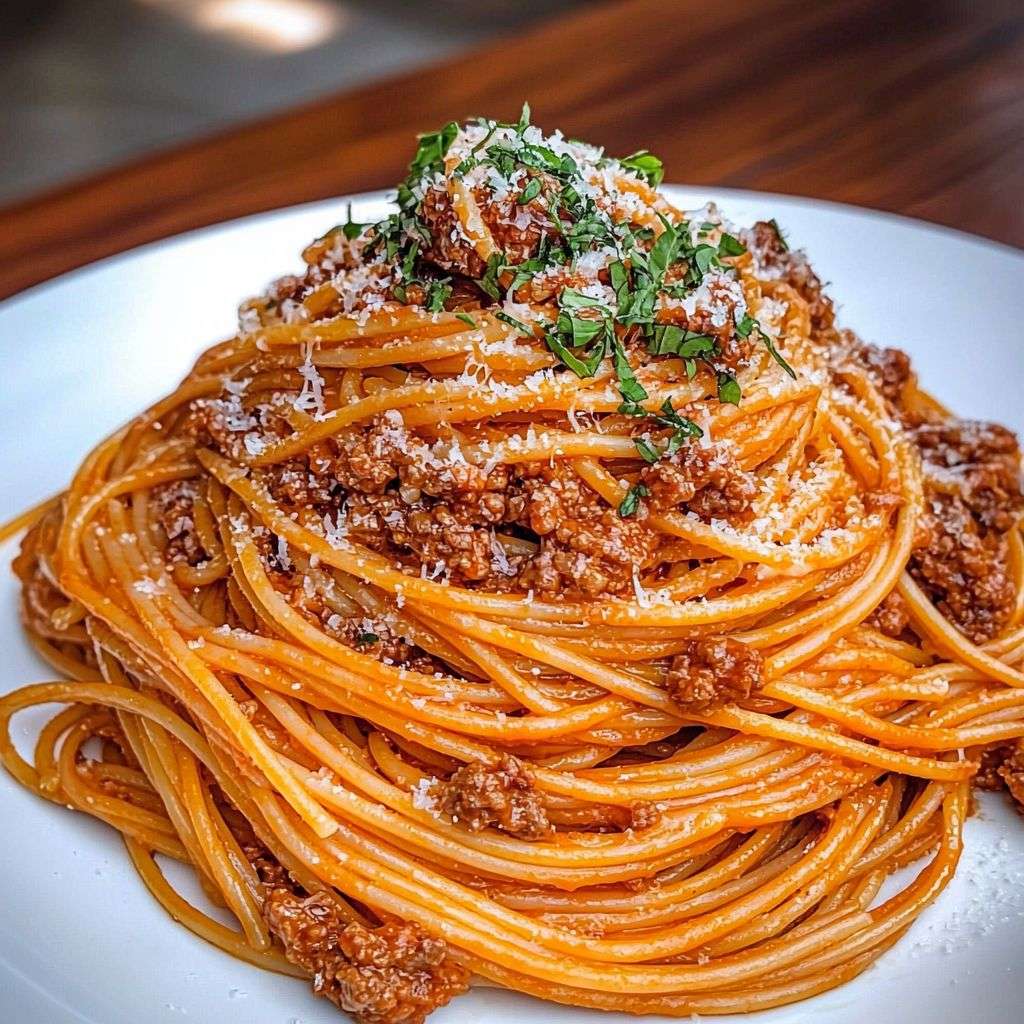
Classic spaghetti bolognese is one of the most iconic pasta dishes in the world. With its slow-simmered meat sauce, aromatic vegetables and rich tomato base, this recipe delivers deep flavor and comforting texture in every bite. As a result, it remains a favorite family meal and a go-to comfort dish across generations.
Moreover, bolognese sauce is known for its patience-driven cooking process. Because the sauce develops slowly over time, each ingredient contributes layered flavor and complexity. At the same time, the addition of milk and wine creates a balanced sauce that is both rich and smooth.
Thanks to its hearty character and versatility, spaghetti bolognese continues to be a staple in home kitchens and restaurants worldwide.
History and Recipe Background
Bolognese sauce originates from the city of Bologna in northern Italy, where it is traditionally known as ragù alla bolognese. Unlike heavily tomato-based sauces, authentic versions emphasize meat, aromatics and slow cooking to build depth of flavor.
Originally served with wider pasta such as tagliatelle, the sauce later became widely paired with spaghetti in international cuisine. Over time, regional adaptations introduced tomatoes, wine and milk to enhance texture and taste.
Today, spaghetti bolognese represents a global comfort food that blends Italian tradition with modern home cooking techniques.
Ingredients
- 1 lb ground meat, beef and pork blend preferred
- 1 large onion, finely chopped
- 2 carrots, finely chopped
- 2 celery stalks, finely chopped
- & 2 to 4 cloves garlic, minced
- 2 tablespoons olive oil
- ½ cup red or white wine, optional
- 28 oz crushed or chopped tomatoes
- 2 tablespoons tomato paste
- 1 to 2 bay leaves
- Dried oregano and basil to taste
- Salt and black pepper to taste
- 1 cup beef broth or water, as needed
- 1 cup whole milk, optional
- Spaghetti pasta for serving
- Grated Parmesan cheese and fresh parsley for garnish
Preparation
Step 1: Sauté the Vegetables
Heat olive oil in a large heavy-bottomed pot over medium heat. Add chopped onion, carrots and celery. Cook for five to seven minutes, stirring occasionally, until the vegetables soften and release their natural sweetness.
Add minced garlic and cook for one additional minute until fragrant. This aromatic base forms the foundation of the sauce flavor.
Step 2: Brown the Meat
Increase the heat to medium-high and add the ground meat. Break the meat into small crumbles using a wooden spoon.
Cook until the meat is fully browned and no pink remains. Browning adds depth and enhances savory flavor through caramelization.
Step 3: Deglaze and Simmer
Pour in the wine if using and stir while scraping any browned bits from the bottom of the pot. Allow the liquid to simmer until reduced by about half.
This step concentrates flavor and removes raw alcohol taste while enhancing sauce richness.
Step 4: Add Tomatoes and Seasoning
Stir in tomato paste and cook for two minutes to deepen its flavor. Add crushed tomatoes, bay leaves, oregano, basil, salt and black pepper.
Mix thoroughly until all ingredients are evenly combined and well incorporated.
Step 5: Slow Cook the Sauce
Reduce heat to low and partially cover the pot, leaving the lid slightly open to allow steam to escape. Let the sauce simmer gently for one and a half to two hours, stirring occasionally to prevent sticking.
If the sauce becomes too thick, add small amounts of beef broth or water as needed.
After about one and a half hours, stir in the milk if using. Continue simmering for another thirty minutes until the sauce becomes silky and smooth.
Step 6: Finish and Serve
Remove bay leaves and adjust seasoning if necessary.
Cook spaghetti in a separate pot of well-salted boiling water until al dente. Drain and immediately toss the pasta with the hot bolognese sauce to allow the flavors to coat evenly.
Serve in bowls topped with freshly grated Parmesan cheese and chopped parsley.
Nutritional Information
Approximate values per serving:
Calories: 540
Protein: 32 grams
Carbohydrates: 48 grams
Fat: 24 grams
Fiber: 6 grams
Sugar: 8 grams
This meal provides balanced macronutrients and high-quality protein while offering sustained energy from complex carbohydrates.
Frequently Asked Questions
Why add milk to bolognese sauce?
Milk softens acidity from tomatoes and creates a smoother, richer texture in the finished sauce.
Can I skip the wine?
Yes, wine is optional. You can replace it with broth or water while still maintaining good flavor.
How long should bolognese sauce simmer?
For best flavor, simmer for at least 90 minutes. Longer cooking times deepen flavor and improve texture.
Can I freeze bolognese sauce?
Yes, bolognese freezes very well. Store in airtight containers for up to three months.
What pasta works best with bolognese?
Spaghetti is popular, but tagliatelle, fettuccine and pappardelle also pair beautifully with this rich sauce.
Conclusion
Classic spaghetti bolognese delivers comforting flavor, rich texture and timeless appeal. With slow-simmered meat sauce, aromatic vegetables and balanced seasoning, this recipe brings authentic Italian-inspired cooking into your kitchen.
Because it is freezer-friendly, family-approved and perfect for meal prep, this dish deserves a permanent place in your weekly dinner rotation. Once you prepare it at home, it will quickly become one of your most requested comfort meals.
Check also:
Lemon Chicken Ricotta Meatballs
Chicken and meat easy Recipes
Suggestions:
- Sheet Pan Fajita-Style Beef with Roasted Peppers
- Curry Lentil Meatballs with Creamy Lemon Yogurt Sauce
- Fluffy Cheese Soufflé Omelette Recipe
- Creamy Broccoli Pesto Spaghetti with Parmesan and Almonds
- Easy Vegetable Rolled Omelet for Healthy Lunchboxes