

Share
Introduction
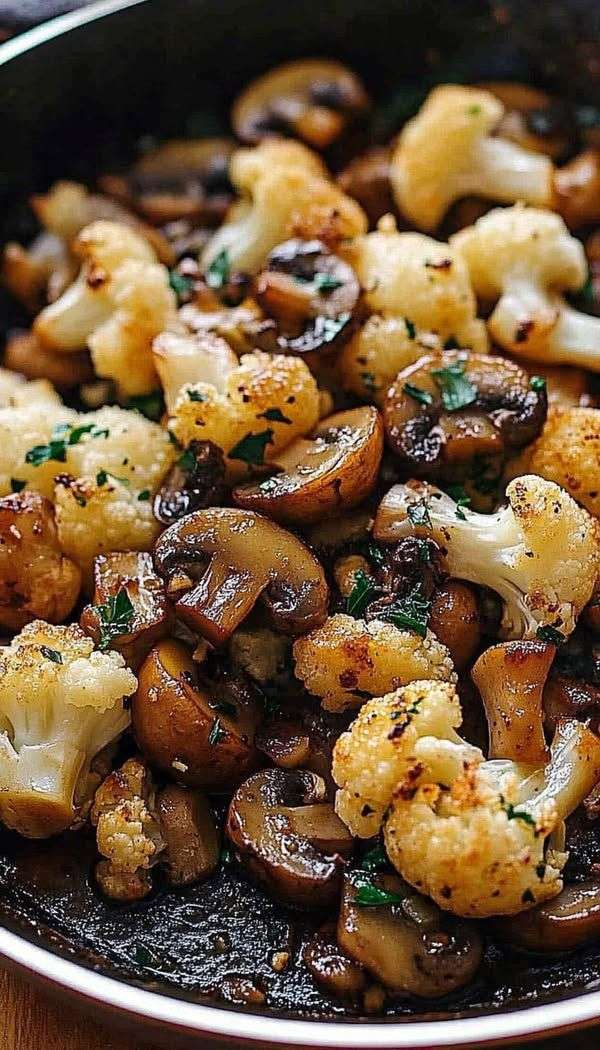
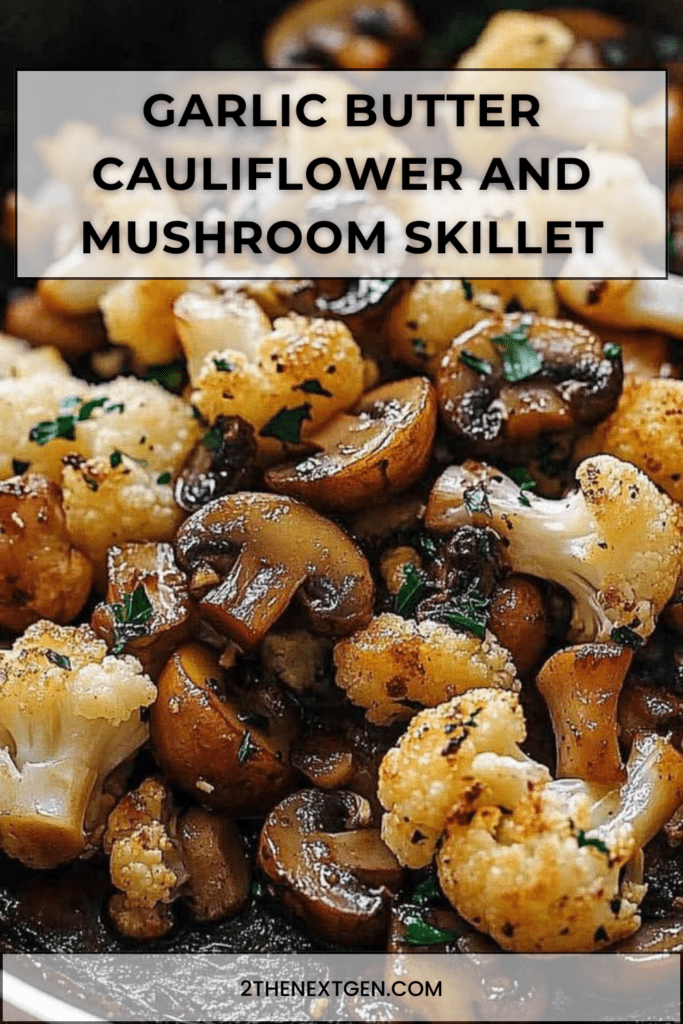
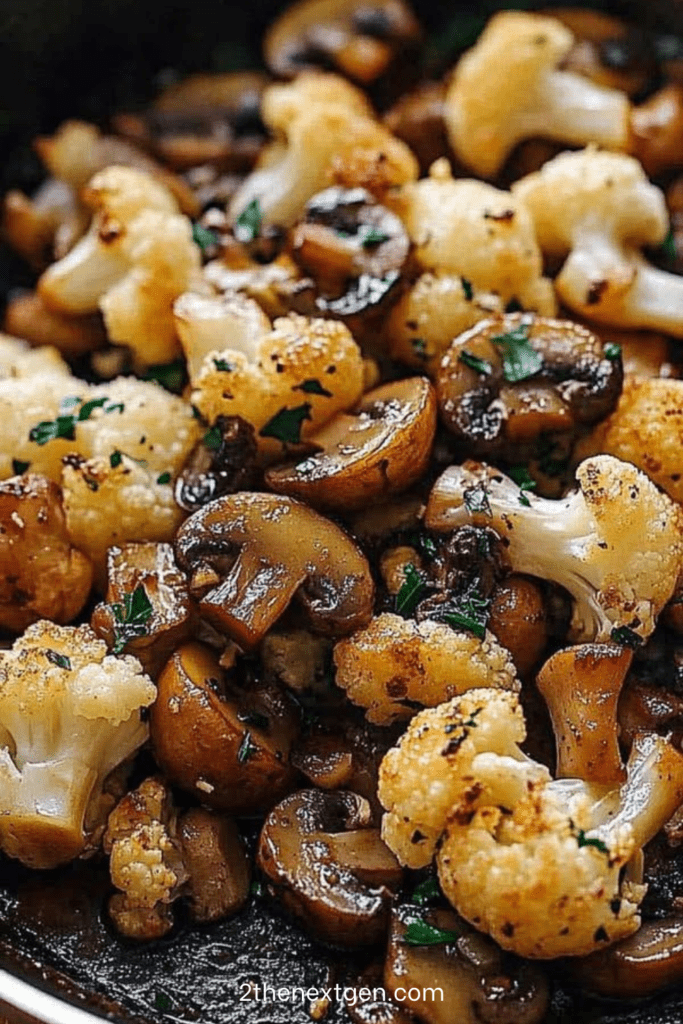
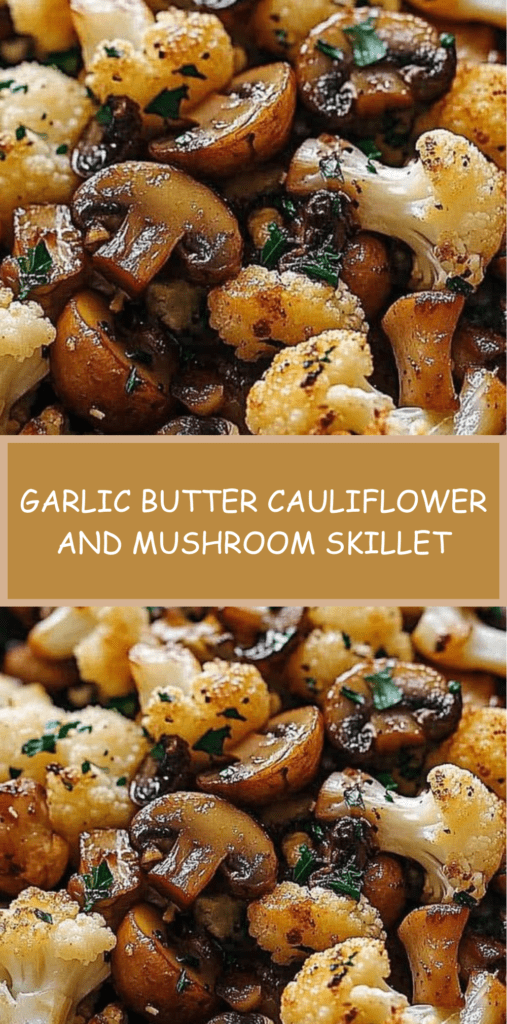
If you want a vegetable dish that tastes deeply savory while staying simple, this garlic butter cauliflower and mushroom skillet is the kind of recipe that delivers every time. Cauliflower turns tender with lightly crisp edges, while mushrooms develop that rich, browned flavor that makes them taste almost meaty. Then, once garlic and butter join the pan, everything becomes glossy, fragrant, and satisfying in a way that feels far more indulgent than the ingredient list suggests.
Moreover, this recipe is quick and practical. It uses one pan, relies on everyday ingredients, and fits easily into a weeknight routine. At the same time, it feels versatile enough for a dinner party side dish, especially because the thyme and parsley give it a fresh, aromatic finish. In addition, the optional splash of stock helps lift all the browned bits from the skillet, which means you capture more flavor without adding extra effort. As a result, you get a dish that is comforting, balanced, and packed with savory depth.
History and Information About the Recipe
Skillet-cooked vegetables with butter, herbs, and aromatics are a classic technique across many home-cooking traditions, particularly in European and American kitchens. The method is straightforward: build flavor by sautéing onions, then brown vegetables to intensify their natural sweetness, and finally finish with butter, herbs, and garlic for richness and aroma. Because it depends on browning and timing rather than complicated sauces, it has remained a reliable approach for generations.
Mushrooms, in particular, have been used as a flavor booster in countless cuisines thanks to their natural umami. When you sear them properly, they develop a deeper taste and a more satisfying texture. Cauliflower, meanwhile, has become increasingly popular as a skillet vegetable because it caramelizes well and holds its structure without turning mushy. Therefore, pairing cauliflower with mushrooms creates a dish that feels hearty, yet still fresh.
This recipe also follows an important principle: garlic is best added near the end when you want fragrance rather than bitterness. By adding it after the vegetables are browned, you keep the flavor bold and aromatic. Similarly, fresh herbs at the end brighten the dish and stop it from feeling too rich, which is why thyme and parsley work so well here.
Ingredients
- 1/2 head cauliflower, cut into small florets
- 1 lb mushrooms, cleaned and halved or sliced
- 3–4 tablespoons unsalted butter, divided
- 1 tablespoon olive oil
- 4 cloves garlic, minced
- 1/2 small yellow onion or shallot, chopped
- 1 teaspoon fresh thyme
- 2 tablespoons fresh parsley, chopped, divided
- Salt, to taste
- Black pepper, to taste
- Optional: 2 tablespoons vegetable or chicken stock for deglazing
Preparation
Step 1: Prepare the vegetables for even cooking
Start by cutting the cauliflower into small, even florets so they cook quickly and brown more uniformly. Then clean the mushrooms and slice or halve them depending on size. At the same time, chop the onion or shallot, mince the garlic, and chop the parsley. This prep matters because once the pan is hot, the cooking moves fast.
Step 2: Sauté the onion until soft and translucent
Heat a large skillet over medium-high heat. Add 2 tablespoons of butter along with the olive oil. Once the butter melts and begins to foam, add the chopped onion or shallot. Sauté for about 3 minutes until softened and translucent. While doing this, stir occasionally so the onion does not brown too quickly, since you want sweetness, not bitterness.
Step 3: Brown the mushrooms for deep flavor
Add the mushrooms to the skillet and spread them out into an even layer. Then let them cook undisturbed at first for better browning. After a few minutes, stir and continue cooking for a total of 5 to 8 minutes, until the mushrooms are deeply golden. This step is crucial, because mushrooms release moisture before they brown, so patience here creates the savory, roasted flavor that defines the dish.
Step 4: Add cauliflower and cook until tender with golden edges
Add the cauliflower florets to the skillet and toss to combine with the mushrooms and onions. Continue cooking for 8 to 10 minutes, stirring occasionally, until the cauliflower is tender and the edges are golden and slightly crisp. If the pan looks dry while cooking, add a small extra knob of butter or a splash of oil, because good browning depends on steady heat and enough fat to coat the vegetables.
Step 5: Deglaze the pan to capture the browned bits
If you are using stock, pour in about 2 tablespoons and scrape the bottom of the skillet with a wooden spoon. Those browned bits are packed with flavor, so this step makes the final dish taste richer without adding heaviness. Then let the liquid simmer briefly so it reduces.
Step 6: Add butter, garlic, thyme, and half the parsley
Lower the heat slightly to medium. Add the remaining butter, minced garlic, fresh thyme, and half of the chopped parsley. Stir well so the butter melts into a glossy coating. Cook for 1 to 2 minutes until the garlic is fragrant and the liquid has reduced, keeping an eye on the garlic so it does not brown too much.
Step 7: Season generously and finish with fresh herbs
Season with salt and black pepper to taste. Then remove the skillet from the heat and garnish with the remaining parsley. This final addition of herbs brightens the dish, and it also balances the richness of the garlic butter.
Nutritional Information
This skillet recipe is a satisfying vegetable-forward option that feels hearty without relying on heavy starches. Cauliflower provides fiber and a range of micronutrients, while mushrooms contribute umami flavor and a meatier texture with relatively few calories. The butter and olive oil add fat, which improves satiety and carries flavor, although it also increases overall calories. Therefore, portion size and the amount of butter used will influence the nutritional profile significantly.
If you want a lighter version, you can reduce the butter slightly and rely a bit more on olive oil, or finish with a smaller amount of butter just for aroma. In contrast, if you want a richer side for a special meal, use the full amount of butter and deglaze the pan so every browned note is captured.
FAQ
What is the best way to clean mushrooms without making them soggy?
A quick wipe with a damp paper towel works well, especially for lightly soiled mushrooms. If you rinse them, do it quickly and dry them thoroughly. Since mushrooms absorb water easily, drying them helps them brown rather than steam.
Why do my mushrooms not brown properly?
Usually, the pan is too crowded or the heat is too low. Spread the mushrooms into a single layer and let them sit undisturbed at first. Additionally, avoid stirring constantly, because browning needs contact with the hot pan.
Can I use frozen cauliflower?
Yes, but the texture will be different. Frozen cauliflower releases more water, so it tends to steam. If you use it, cook off the moisture first, and expect a softer result with less crisp browning.
What type of mushrooms work best in this skillet?
Cremini and white button mushrooms are excellent everyday choices. However, if you want a deeper flavor, use a mix that includes shiitake or oyster mushrooms. Because mixed mushrooms brown at slightly different rates, keep them similarly sized for more even cooking.
Is the stock necessary for deglazing?
It is optional, but it adds a lot of flavor. Deglazing lifts the browned bits from the pan, which makes the dish taste more complex. If you do not have stock, you can use a splash of water, or even a small squeeze of lemon at the end for brightness instead.
Can I make this dairy-free?
Yes. Replace butter with a dairy-free butter alternative or use more olive oil. You can also finish with a drizzle of good olive oil and extra herbs for a fresh, Mediterranean-style finish.
How do I store and reheat leftovers?
Store leftovers in an airtight container in the refrigerator for up to 3 days. Reheat in a skillet over medium heat so the vegetables warm through without turning watery. Microwaving works too, but the cauliflower may soften more.
What can I serve with garlic butter cauliflower and mushrooms?
It pairs well with roasted chicken, steak, fish, or tofu. It also works as a topping for rice, quinoa, or pasta. Additionally, you can serve it with eggs for a savory breakfast or brunch plate.
Conclusion
Garlic butter cauliflower and mushroom skillet is a simple, dependable recipe that tastes far more impressive than the effort it requires. Because you brown the mushrooms first, you build deep savory flavor, and when cauliflower joins the pan, it turns tender with lightly crisp edges. Then, once garlic, butter, thyme, and parsley finish the dish, everything becomes aromatic and glossy, with a balance of richness and freshness. Whether you serve it as a weeknight side, a meal-prep vegetable, or a warm addition to grain bowls, it is a recipe that reliably delivers comfort and bold flavor in one pan.
Check also:
Lemon Chicken Ricotta Meatballs
Chicken and meat easy Recipes
Suggestions:
- Roasted Tomato Caprese Salad with Balsamic and Basil
- Sheet Pan Zucchini Chickpeas with Feta and Lemon
- Burrata Bruschetta with Marinated Cherry Tomatoes
- Easy Garlic Butter Cauliflower and Mushroom Skillet
- Easy Mint and Feta Stuffed Flatbreads in a Skillet