

Share
Introduction
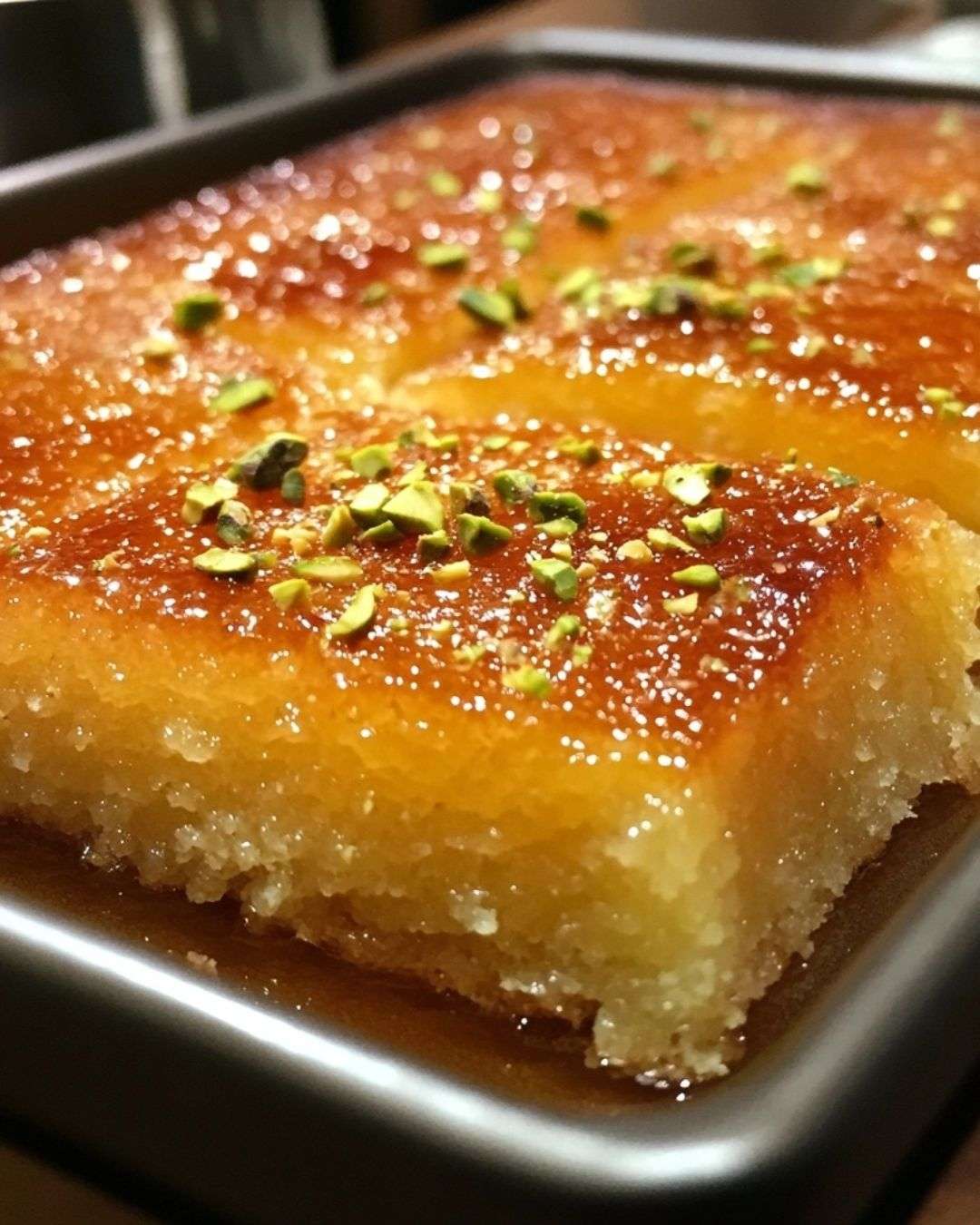
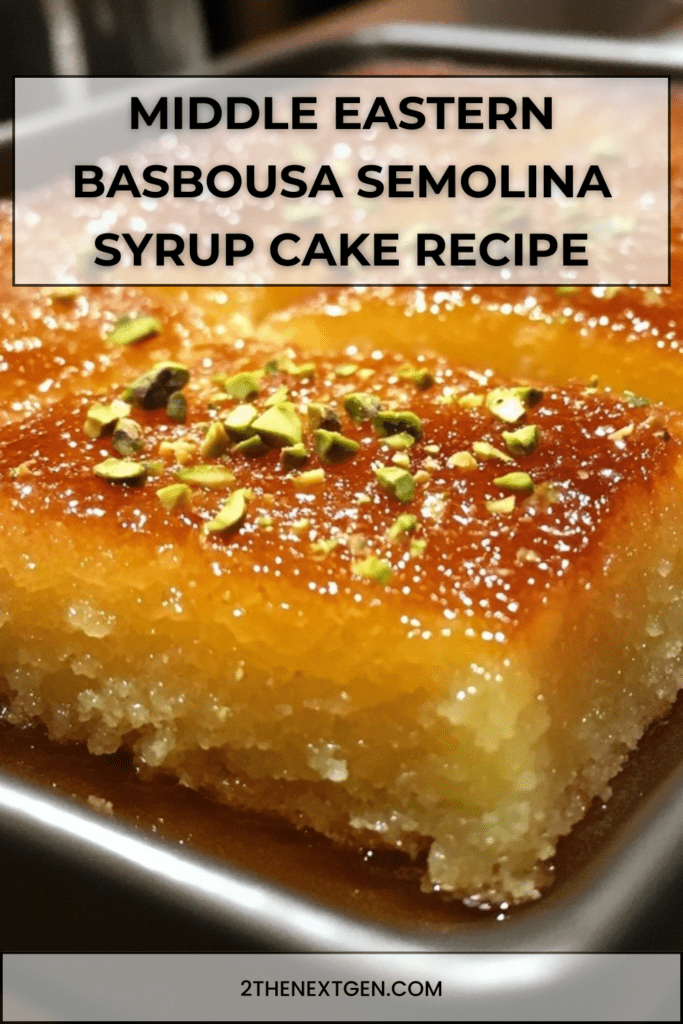
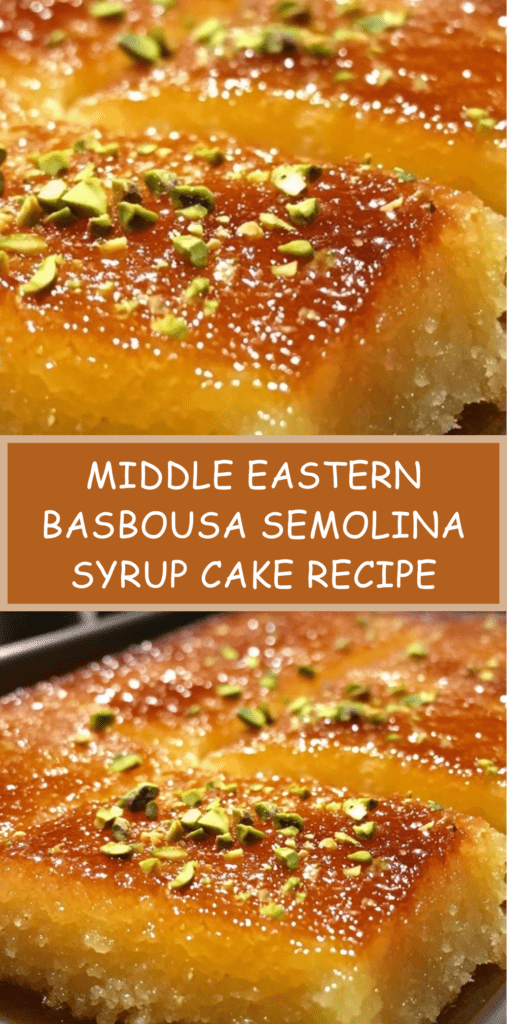
Middle Eastern basbousa, also known as revani in some regions, is a beloved dessert made from semolina, coconut and fragrant sugar syrup. This cake is famous for its dense yet tender crumb, rich sweetness and aromatic citrus-floral notes. Unlike traditional sponge cakes, basbousa absorbs syrup deeply, creating a moist texture that remains soft for days.
Moreover, this dessert is simple to prepare and does not require advanced baking skills. Because it uses pantry-friendly ingredients, basbousa is accessible for home bakers of all experience levels. At the same time, its elegant presentation and luxurious flavor make it suitable for celebrations, holidays and family gatherings.
Thanks to its balance of sweetness and richness, basbousa continues to be one of the most iconic desserts across Middle Eastern and Mediterranean cuisines. Whether served with tea, coffee or after a festive meal, it always leaves a lasting impression.
History and Recipe Background
Basbousa has deep cultural roots across the Middle East, North Africa and parts of the Mediterranean. While Egypt is often credited with popularizing modern basbousa, similar semolina syrup cakes exist throughout Turkey, Greece and the Levant. In Turkey, the dessert is known as revani, while in Greece it appears under variations such as ravani or semolina syrup cake.
Historically, semolina-based desserts were favored because wheat flour was not always readily available. Semolina provided a hearty texture and long shelf life when soaked in syrup. Over time, cooks enhanced the recipe with yogurt, coconut and aromatic waters such as orange blossom and rosewater.
The practice of pouring hot syrup over freshly baked cake became a defining characteristic of this dessert style. This technique ensures deep absorption and long-lasting moisture. Today, basbousa remains a staple dessert during Ramadan, weddings, holidays and family celebrations, symbolizing hospitality and generosity.
Ingredients
For the Cake
- 2 cups semolina
- 1 cup plain yogurt
- 1 cup granulated sugar
- ½ cup unsweetened shredded coconut
- ½ cup melted butter or olive oil
- 1 teaspoon baking powder
- A pinch of salt
- Whole almonds or pistachios for topping
For the Syrup
- 1 cup granulated sugar
- 1 cup water
- ½ lemon juice
- 1 tablespoon orange blossom water or rosewater
Preparation
Step 1: Prepare the Cake Batter
Start by preheating your oven to 350°F or 180°C. Grease a 9×9-inch baking dish or a similar size pan to prevent sticking.
In a large mixing bowl, combine semolina, sugar, shredded coconut, melted butter or olive oil, baking powder and salt. Mix the dry and wet ingredients together until evenly blended. Next, add the yogurt and continue stirring until the batter becomes smooth and thick.
Allow the batter to rest for about 5 to 10 minutes. This resting time helps the semolina absorb moisture and improves the final texture of the cake.
Step 2: Bake the Cake
Pour the batter into the prepared baking dish and spread it evenly using a spatula. If desired, lightly score the surface into square or diamond shapes. Place a whole almond or pistachio in the center of each portion for decoration.
Transfer the pan to the oven and bake for 30 to 35 minutes. The cake should develop a golden brown surface while remaining soft inside. Once baked, remove it from the oven and prepare to add the syrup immediately.
Step 3: Make the Syrup
While the cake is baking, prepare the syrup. In a small saucepan, combine sugar, water and lemon juice. Bring the mixture to a boil over medium heat.
Once boiling, reduce the heat and allow it to simmer for 5 to 10 minutes until the syrup thickens slightly. Remove from heat and stir in orange blossom water or rosewater if using. This step adds floral fragrance and authentic Middle Eastern flavor.
Step 4: Soak and Serve
As soon as the cake comes out of the oven, slowly pour the hot syrup evenly over the hot cake. The cake will immediately begin absorbing the liquid. Pour gradually to allow proper distribution and deep penetration.
Allow the basbousa to cool completely before slicing. Once cooled, garnish with crushed pistachios for added texture and visual appeal. Serve at room temperature for the best flavor and consistency.
Nutritional Information
Approximate values per serving:
Calories: 360
Protein: 6 grams
Carbohydrates: 48 grams
Fat: 15 grams
Fiber: 2 grams
Sugar: 32 grams
Basbousa is a rich dessert designed for indulgence. Semolina provides complex carbohydrates, while yogurt adds protein and probiotics. Coconut and nuts contribute healthy fats and flavor complexity. Although sweet, moderate portions allow you to enjoy this dessert as part of a balanced diet.
Frequently Asked Questions
What is the difference between basbousa and revani?
Basbousa and revani are very similar semolina syrup cakes. The main difference lies in regional variations. Revani often includes eggs, while traditional basbousa typically relies on yogurt and oil or butter for moisture.
Can I make basbousa without coconut?
Yes, coconut is optional. While it adds texture and flavor, the cake remains delicious without it. Simply replace it with additional semolina or almond flour if desired.
Why should the syrup and cake both be hot?
Pouring hot syrup onto hot cake allows maximum absorption. This method ensures even moisture distribution and prevents the syrup from pooling on the surface.
How long does basbousa stay fresh?
Basbousa stays moist for up to four days when stored in an airtight container at room temperature. In fact, the flavor often improves after the first day as the syrup continues to soak in.
Can I freeze basbousa?
Yes, basbousa can be frozen for up to two months. Wrap tightly and thaw at room temperature before serving. Avoid adding garnish until after thawing.
Conclusion
Middle Eastern basbousa is a timeless dessert that brings together simple ingredients and bold flavors in perfect harmony. Its soft semolina texture, fragrant syrup and crunchy nut topping create a dessert experience that feels both comforting and luxurious.
Because it is easy to prepare and stores well, basbousa is ideal for entertaining, holidays and everyday enjoyment. With just a few steps and pantry staples, you can recreate this classic Middle Eastern favorite in your own kitchen.
Once you try this traditional syrup-soaked cake, it is sure to become a permanent part of your dessert collection.

Check also:
Lemon Chicken Ricotta Meatballs
Chicken and meat easy Recipes
Suggestions:
- Creamy Garlic Shrimp Spaghetti Recipe
- No-Bake Mascarpone Raspberry Swiss Roll Dessert
- Crispy Parmesan Potato Wedges Oven Recipe
- Spaghetti with Sausage and Creamy Tomato Sauce
- Classic Italian Tiramisu Recipe with Mascarpone Cream