

Share
Introduction
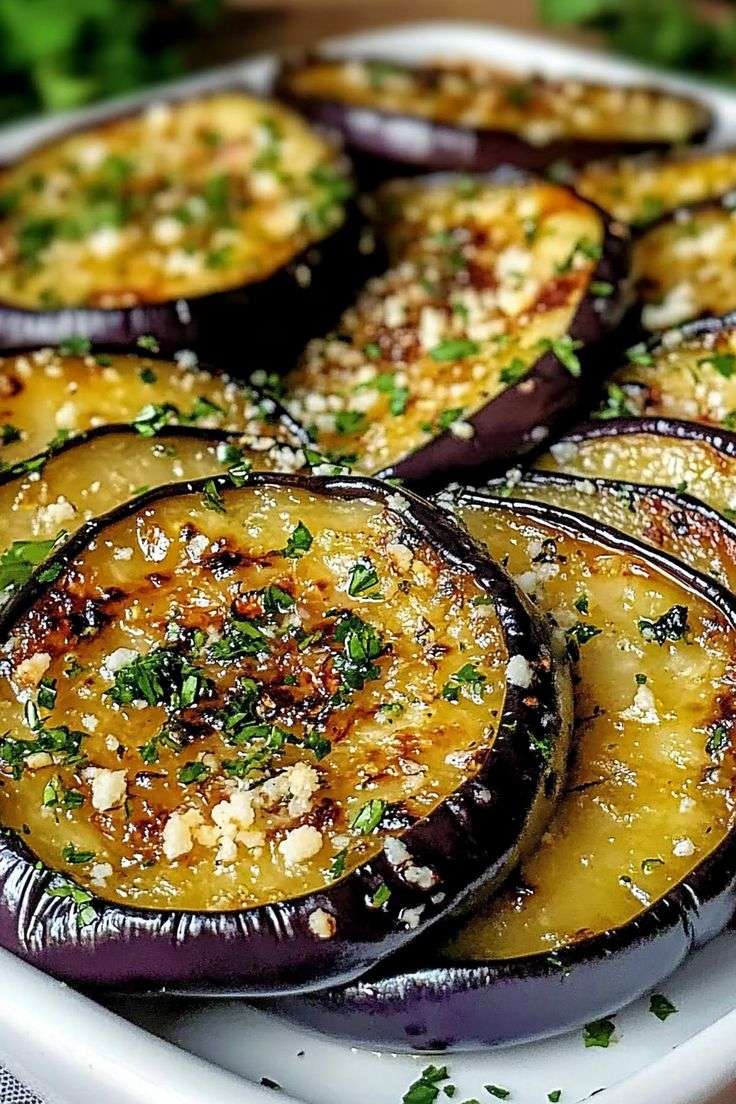
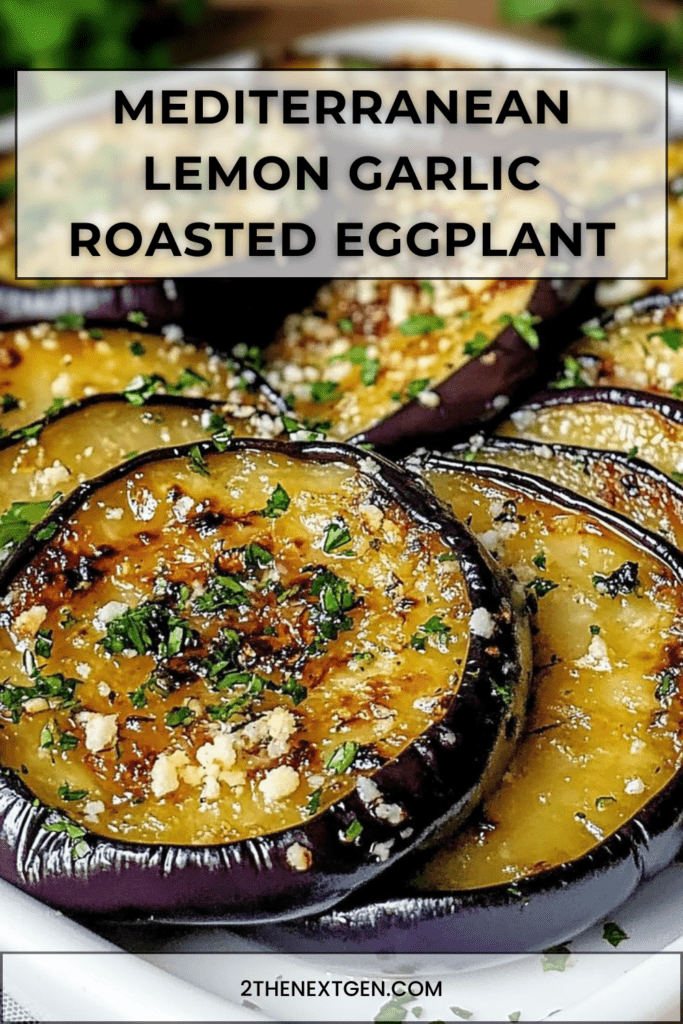
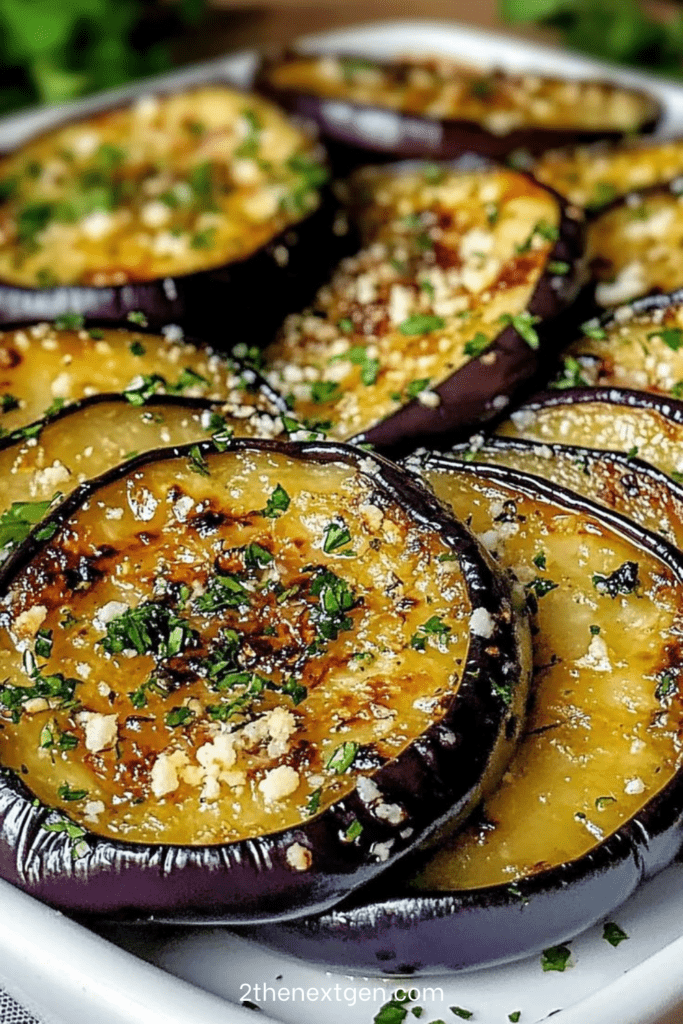
If you want a side dish that feels bright, savory, and effortlessly Mediterranean, this lemon garlic roasted eggplant is the kind of recipe you will make again and again. Eggplant becomes beautifully tender in a hot oven, while olive oil helps it caramelize into golden edges that taste almost buttery. Then, just when it comes out of the oven, you add minced garlic and a generous hit of lemon juice and zest. As a result, the dish tastes fresh and bold at the same time, with a balance that pairs well with nearly everything.
Moreover, this recipe is naturally simple. Because the ingredient list is short, each component matters, and the method is designed to highlight the eggplant’s best qualities. Whether you serve it as a weeknight side, a mezze-style plate, or a light lunch with bread and salad, it fits seamlessly. Most importantly, it delivers big flavor without complicated steps, which is exactly what makes Mediterranean cooking so approachable.
History and Information About the Recipe
Eggplant has a long culinary story that stretches across the Mediterranean basin and beyond. Although it likely traveled into the region through historical trade routes, it eventually became a staple in many cuisines, from the Levant to North Africa and Southern Europe. Consequently, countless traditional dishes feature eggplant as the star, often paired with olive oil, garlic, herbs, and citrus.
This recipe draws on that classic flavor family: olive oil for richness, garlic for depth, herbs for freshness, and lemon for brightness. In many Mediterranean kitchens, lemon is not merely an accent. Instead, it is used to lift roasted vegetables, balance hearty flavors, and add a clean finish that keeps each bite interesting. Similarly, adding garlic after roasting is a smart technique because it preserves more of garlic’s punch and aroma, while the heat of the eggplant gently mellows it.
Another key detail is the high roasting temperature. Since eggplant contains a lot of moisture, it benefits from a hot oven that drives off excess water quickly. Therefore, you get slices that are tender inside yet lightly caramelized on the surface, which is exactly the texture that makes roasted eggplant so satisfying.
Ingredients
- 2 medium eggplants, sliced into 1/2-inch rounds
- 3 tablespoons extra-virgin olive oil
- 4 garlic cloves, minced
- Fresh lemon juice (from about 1 lemon, to taste)
- Lemon zest (from 1 lemon, to taste)
- Salt, to taste
- Freshly ground black pepper, to taste
- Chopped fresh parsley and/or basil, for garnish
Preparation
Step 1: Preheat the oven and prepare the pan
Preheat your oven to 425°F (220°C). Then, line a large baking sheet with parchment paper or foil so cleanup is easy, and so the eggplant releases cleanly after roasting. If you have a wire rack that fits inside the baking sheet, you can use it to encourage even browning, although it is optional.
Step 2: Slice the eggplant evenly
Slice the eggplants into rounds about 1/2 inch thick. As you do this, aim for uniform slices, because even thickness ensures the eggplant roasts at the same pace. If some slices are too thin, they can dry out, whereas thicker pieces may need extra time.
Step 3: Oil the eggplant generously
Arrange the eggplant slices in a single layer on the prepared baking sheet. Next, brush both sides of the slices generously with extra-virgin olive oil. Because eggplant acts like a sponge, it absorbs oil quickly, so brushing helps you control coverage without using more than needed. Additionally, oil is crucial here, since it improves browning and gives the finished dish a silky mouthfeel.
Step 4: Season with salt and pepper
Sprinkle the slices with salt and freshly ground black pepper. At this stage, keep the seasoning balanced rather than heavy, because the lemon and garlic will add intensity later. Still, do not skip the salt, since it brings out the eggplant’s sweetness and helps the roasted flavor shine.
Step 5: Roast until golden and tender
Roast for 20 to 22 minutes, flipping the slices halfway through. In other words, after about 10 to 11 minutes, turn each slice so both sides can brown. You are looking for eggplant that is tender all the way through with golden edges and light caramelization. If your slices are slightly thicker or your oven runs cool, add a few minutes, checking frequently toward the end.
Step 6: Add garlic while the eggplant is hot
As soon as the eggplant comes out of the oven, top each slice with a bit of minced garlic while the surface is still hot. This timing matters. Because the eggplant is warm, it softens the raw edge of the garlic without fully cooking it away, which means you get a fragrant, punchy flavor that still feels smooth.
Step 7: Finish with lemon juice and zest
Immediately drizzle lemon juice over the hot eggplant, then add lemon zest. Start with a modest amount and adjust to taste. The juice brings brightness, while the zest adds a concentrated lemon aroma that feels especially Mediterranean. Furthermore, the heat helps the citrus oils bloom, so the flavor becomes more vivid within seconds.
Step 8: Garnish and serve
Finally, garnish with chopped fresh parsley and/or basil. Then serve warm, at room temperature, or even chilled. For instance, you can plate it as a side dish, tuck slices into sandwiches, or serve it alongside grains and legumes for a more complete meal.
Nutritional Information
Eggplant is naturally low in calories and provides fiber, which supports fullness and digestive health. Meanwhile, extra-virgin olive oil contributes heart-friendly monounsaturated fats and adds satiety, which is why this dish feels satisfying despite its simplicity. Garlic and lemon also bring beneficial plant compounds, and fresh herbs add micronutrients and freshness without extra heaviness.
Because portion sizes and exact lemon and oil amounts can vary, the nutrition will change depending on how much oil the eggplant absorbs. However, in general, this recipe remains a nutrient-dense choice that fits well into Mediterranean-style eating, especially when paired with proteins like fish, chicken, beans, or yogurt-based sauces.
FAQ
Can I make this recipe ahead of time?
Yes. In fact, it works well as a make-ahead side because the flavors continue to meld. Store it in an airtight container in the refrigerator, then serve it cold or let it come to room temperature. If you prefer it warm, reheat briefly in the oven so the edges regain some texture.
How do I prevent eggplant from turning out soggy?
First, roast at a high temperature, as the recipe suggests, because that drives off moisture quickly. Second, avoid overcrowding the pan, since crowded slices steam rather than roast. Finally, use enough oil for browning, but do not flood the slices, because excess oil can weigh them down.
Should I salt the eggplant in advance?
You can, but you do not have to. Salting ahead can draw out bitterness and moisture, although many modern eggplants are already mild. If you choose to do it, salt the slices, let them sit for 20 to 30 minutes, then pat dry thoroughly before brushing with oil.
Can I use bottled lemon juice instead of fresh?
Fresh lemon juice is strongly recommended because it tastes brighter and cleaner. That said, if bottled is your only option, use it sparingly at first and rely more on zest if possible. The zest is where much of the lemon aroma lives, so it makes a noticeable difference.
What herbs work best for garnish?
Parsley is classic and clean, while basil adds a sweet, aromatic note. You can also use mint for a more Levant-inspired feel, or oregano for a more rustic Mediterranean profile. Ideally, choose one main herb so the flavors stay focused.
What can I serve with lemon garlic roasted eggplant?
It pairs beautifully with grilled chicken, fish, lamb, or chickpeas. Additionally, it works well with couscous, rice, quinoa, or crusty bread. For a mezze-style spread, serve it with hummus, tzatziki, olives, and tomatoes.
Can I cook this on a grill instead of the oven?
Yes, and it is delicious. Brush the slices with oil and grill over medium-high heat until tender and marked. Then, just like the oven version, add the garlic and lemon immediately while the eggplant is hot, so the flavors absorb well.
How long does it keep in the fridge?
It will keep well for about 3 to 4 days in an airtight container. Over time, it will soften further, so if you want the best texture, enjoy it within the first two days.
Conclusion
Mediterranean lemon garlic roasted eggplant proves that a simple method can deliver restaurant-level flavor. Because the eggplant roasts hot and fast, it becomes tender and golden, and then the finishing touches do all the heavy lifting. The garlic brings depth, the lemon adds brightness, and the herbs tie everything together with a fresh, clean finish. Whether you serve it as an easy side, build it into a grain bowl, or add it to a mezze spread, it is the kind of flexible, flavorful recipe that fits into real life. And once you taste how well lemon and garlic transform roasted eggplant, you will likely keep it in your regular rotation.
Check also:
Lemon Chicken Ricotta Meatballs
Chicken and meat easy Recipes
Suggestions:
- Roasted Tomato Caprese Salad with Balsamic and Basil
- Sheet Pan Zucchini Chickpeas with Feta and Lemon
- Burrata Bruschetta with Marinated Cherry Tomatoes
- Easy Garlic Butter Cauliflower and Mushroom Skillet
- Easy Mint and Feta Stuffed Flatbreads in a Skillet