

Share
Introduction
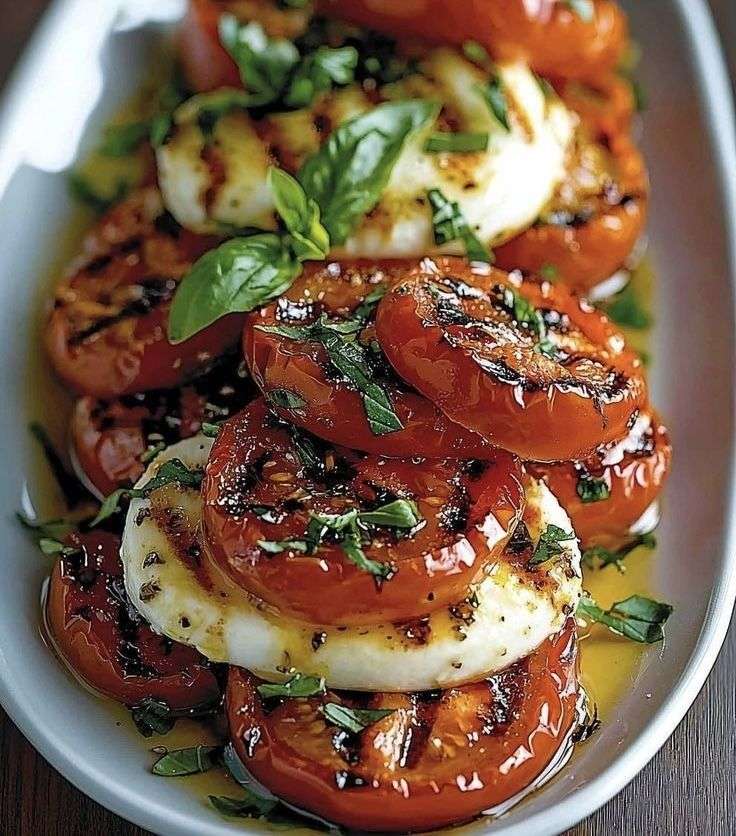
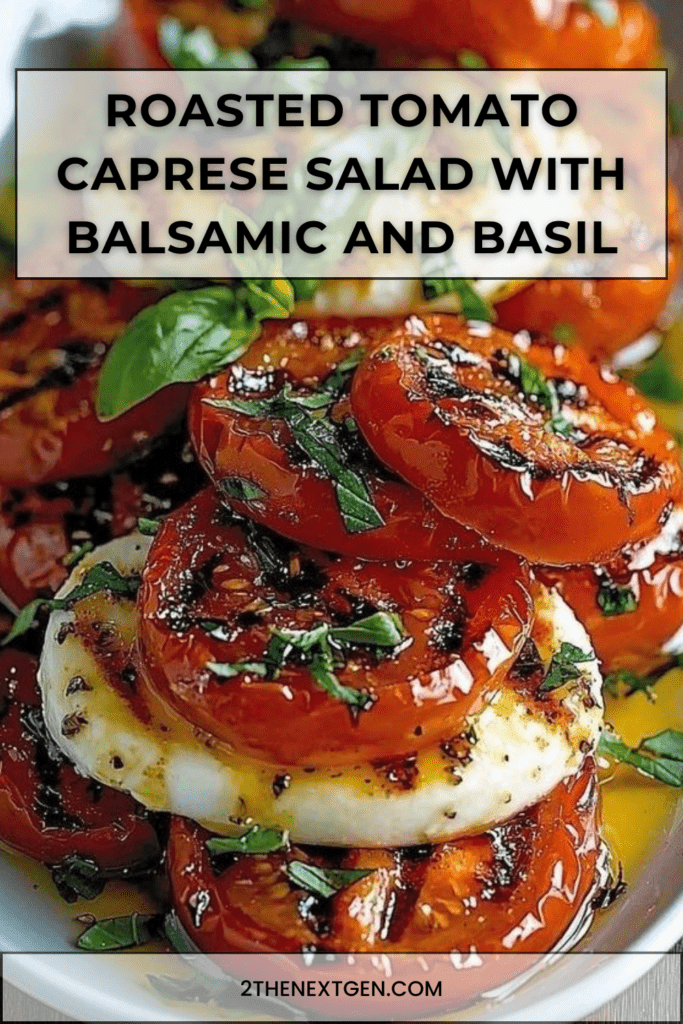
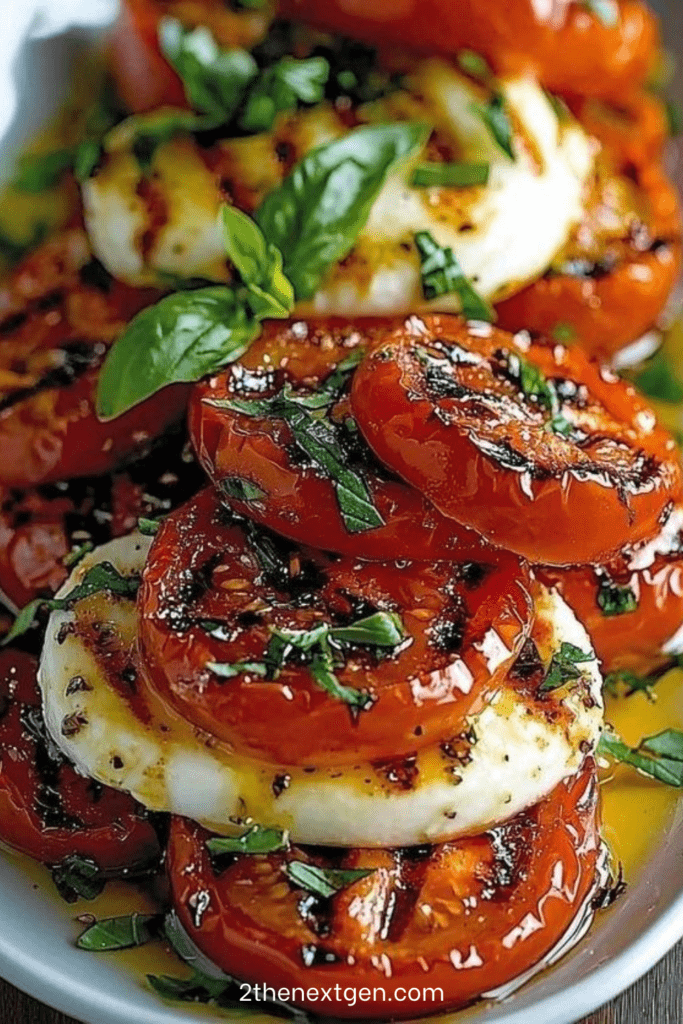
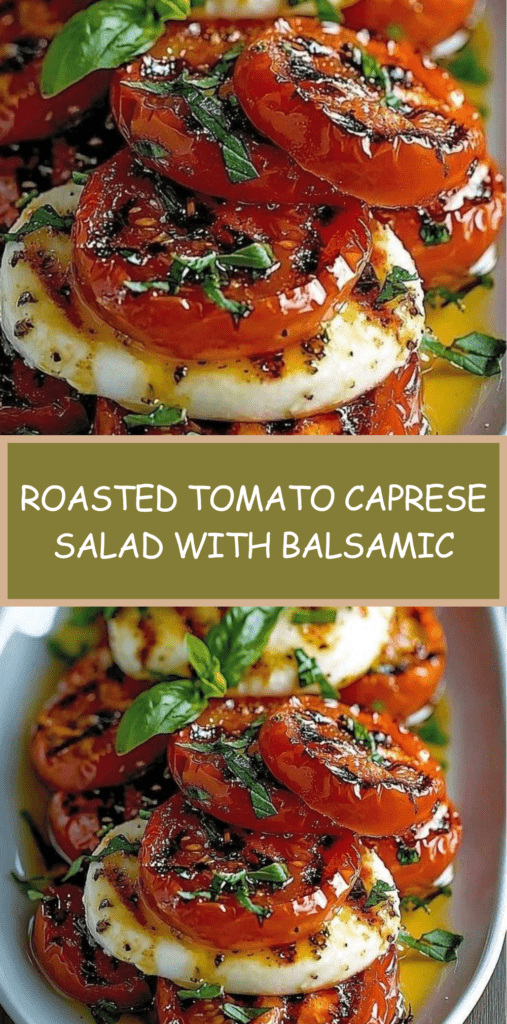
Roasted tomato Caprese salad is a warm, deeply flavorful twist on the classic Italian favorite. Instead of using raw tomatoes, you roast Roma or plum tomatoes until they soften, concentrate, and caramelize around the edges. As a result, their sweetness becomes more pronounced, while their acidity turns rounder and more balanced. Then, when you layer those warm tomatoes with fresh mozzarella and fragrant basil, the contrast becomes irresistible: creamy cheese, tender tomatoes, and fresh herbs all working together in one simple platter.
Moreover, this recipe is surprisingly effortless. Because roasting does most of the work, you get restaurant-style flavor with minimal hands-on time. In addition, it fits many occasions. It works as a starter for a dinner party, a side for grilled meats or fish, or even a light lunch with good bread. Most importantly, it delivers the comforting, sun-kissed flavor of roasted tomatoes while keeping the clean, fresh identity that Caprese is known for.
History and Information About the Recipe
Caprese salad, traditionally made with fresh tomatoes, mozzarella, basil, olive oil, and salt, is associated with the island of Capri and has become a symbol of simple Italian ingredient-driven cooking. Its appeal comes from the idea that when ingredients are excellent, you do not need much else. However, many Italian-inspired dishes also celebrate the flavor of tomatoes after heat transforms them. Roasting concentrates tomato sugars, reduces excess moisture, and develops caramelized notes that are impossible to achieve with raw slices alone.
This roasted version brings the best of both approaches. You keep the signature Caprese trio of tomatoes, mozzarella, and basil, yet you add depth by roasting the tomatoes with olive oil, balsamic vinegar, garlic, and seasoning. Consequently, the salad becomes more robust and more suited to cooler seasons, while still tasting bright and fresh. It also solves a common Caprese problem: when tomatoes are out of season or slightly bland, roasting can dramatically improve flavor and texture.
Additionally, the use of balsamic vinegar and optional sugar leans into a well-loved Italian flavor pattern: sweet, tangy, and savory notes layered together. The garlic infuses the roasting juices, which then act as a built-in dressing. Therefore, the final dish feels cohesive and intentional without requiring an extra sauce or complicated steps.
Ingredients
- 2 pounds ripe Roma or plum tomatoes, halved lengthwise
- 12–16 ounces fresh mozzarella, sliced into rounds
- 1 cup fresh basil leaves, torn or julienned
- 2–4 large garlic cloves, minced
- 1/4 cup extra-virgin olive oil, plus more for finishing
- 1 1/2 tablespoons balsamic vinegar
- 1–2 teaspoons sugar, optional for extra caramelization
- Kosher salt, to taste
- Freshly ground black pepper, to taste
Preparation
Step 1: Preheat the oven and prepare the baking sheet
Preheat your oven to 400°F (200°C). Line a baking sheet with parchment paper so the tomatoes roast cleanly and the juices do not stick. This small step also makes it easier to collect every drop of the roasting liquid later, which matters because those juices become your dressing.
Step 2: Arrange tomatoes and season thoroughly
Place the tomato halves on the baking sheet cut-side up. Then drizzle them with olive oil and balsamic vinegar. Next, sprinkle minced garlic over the tomatoes, followed by sugar if you are using it, and then season with kosher salt and black pepper. Because the tomatoes will concentrate as they roast, season confidently but not aggressively, especially if you plan to finish with a final pinch at the end.
Step 3: Roast until softened and caramelized
Roast for 20 to 25 minutes until the tomatoes are softened, starting to caramelize, and their skins begin to split. If you want a deeper, more intense flavor, continue roasting up to 40 minutes, watching closely toward the end. The longer roast creates more char and sweetness, while a shorter roast keeps the tomatoes juicier and brighter.
Step 4: Cool slightly for better texture and assembly
Remove the pan from the oven and let the tomatoes cool slightly. You can serve the salad warm or at room temperature, but a short rest helps the tomatoes hold their shape and makes the platter easier to assemble. At the same time, do not discard the pan juices, because they carry olive oil, balsamic, garlic, and concentrated tomato flavor.
Step 5: Slice mozzarella and prepare basil
While the tomatoes cool, slice the fresh mozzarella into rounds. Then tear or julienne the basil leaves. Doing this right before assembling keeps basil aromatic and green, which helps the salad taste fresh even though the tomatoes are roasted.
Step 6: Layer roasted tomatoes and mozzarella on a platter
On a serving platter, alternate roasted tomato halves with slices of mozzarella in an overlapping pattern. As you build the platter, aim for even distribution so each serving includes both tomato and cheese. If some tomatoes are very soft, handle them gently so they keep their shape.
Step 7: Add basil between the layers
Tuck basil leaves between the tomatoes and mozzarella. This step matters not just for appearance, but also for flavor. Because basil releases aroma with gentle warmth, placing it near the roasted tomatoes helps its fragrance bloom without turning it limp.
Step 8: Drizzle with roasting juices and finish with olive oil
Spoon any remaining juices from the roasting pan over the assembled salad. Then add an extra splash of olive oil if you want more richness and shine. Finally, finish with a light pinch of salt and pepper. At this stage, taste is your guide, because the tomatoes, mozzarella, and balsamic can vary.
Nutritional Information
Roasted tomato Caprese salad is nutrient-dense while still feeling indulgent. Tomatoes provide fiber and naturally occurring antioxidants, while basil adds freshness and micronutrients. Olive oil contributes healthy fats that improve satiety and carry flavor. Mozzarella adds protein and calcium, although it also increases saturated fat and sodium. Therefore, portion size and the amount of cheese used will significantly affect the overall nutritional profile.
If you want a lighter version, use the lower end of the mozzarella range and finish with a smaller drizzle of olive oil. On the other hand, if you want a richer platter for entertaining, use more mozzarella and lean into the extra pan juices, since they deliver flavor without needing additional ingredients.
FAQ
Should I use Roma tomatoes or can I use other varieties?
Roma or plum tomatoes work especially well because they are meatier and less watery, so they roast beautifully without collapsing too much. However, you can also use cherry tomatoes for a sweeter result or vine tomatoes if they are ripe. If you use larger, juicier varieties, expect more liquid and a softer texture.
Do I need to add sugar when roasting tomatoes?
Sugar is optional. If your tomatoes are very ripe and naturally sweet, you can skip it. However, if your tomatoes taste slightly acidic or bland, a small amount of sugar encourages caramelization and balances the balsamic tang.
Can I make this salad ahead of time?
You can roast the tomatoes ahead of time and store them in the refrigerator, along with the pan juices. Then assemble the salad shortly before serving. For the best texture, bring the tomatoes closer to room temperature before plating, because cold tomatoes can mute flavor.
What is the best mozzarella for Caprese?
Fresh mozzarella is ideal, especially if it is stored in water or whey. It has a softer texture and a milky flavor that pairs perfectly with basil and tomatoes. If possible, slice it gently and blot lightly if it is very wet, since excess moisture can dilute the dressing.
How do I keep basil from turning dark?
Add basil right before serving and avoid chopping it too far in advance. Tearing basil can also reduce bruising. Additionally, placing basil between the tomatoes and mozzarella rather than directly under heavy toppings helps it stay brighter.
What can I serve with roasted tomato Caprese salad?
This salad is excellent with toasted focaccia, a crusty baguette, or grilled sourdough. It also pairs well with grilled chicken, fish, or steak because the acidity and herbs balance richer main dishes. Furthermore, it works beautifully as part of an antipasto spread.
Can I add balsamic glaze instead of balsamic vinegar?
Yes. Balsamic glaze adds a sweeter, thicker finish, which many people love. However, vinegar is better for roasting because it disperses and blends with tomato juices. If you use glaze, consider adding it only at the end as a drizzle.
Is this dish best served warm or cold?
Warm or room temperature is usually best, because roasted tomatoes taste more aromatic when not chilled. Still, it can be served cold, especially in hot weather. If you serve it cold, add a bit more olive oil and salt to wake up the flavors.
Conclusion
Roasted tomato Caprese salad takes everything people love about the classic and adds an extra layer of comfort and depth. Because roasting concentrates the tomatoes, the platter tastes sweeter, richer, and more intensely tomato-forward. Meanwhile, fresh mozzarella keeps it creamy and mild, basil keeps it bright, and the roasting juices create a ready-made dressing that ties everything together. Whether you serve it as a starter, a side, or a light meal with good bread, this warm Caprese twist is simple, elegant, and packed with Mediterranean flavor.
Check also:
Lemon Chicken Ricotta Meatballs
Chicken and meat easy Recipes
Suggestions:
- Roasted Tomato Caprese Salad with Balsamic and Basil
- Sheet Pan Zucchini Chickpeas with Feta and Lemon
- Burrata Bruschetta with Marinated Cherry Tomatoes
- Easy Garlic Butter Cauliflower and Mushroom Skillet
- Easy Mint and Feta Stuffed Flatbreads in a Skillet