

Share
Introduction
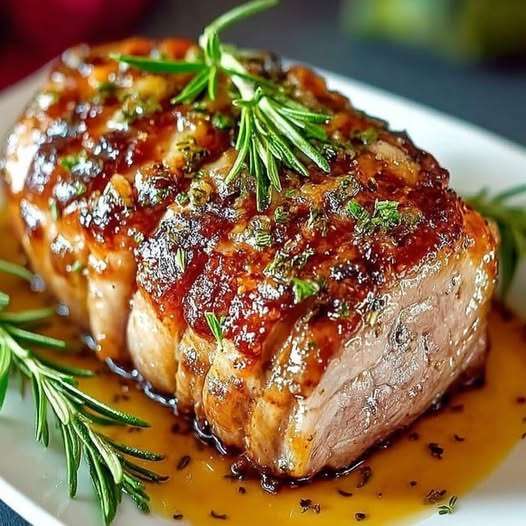
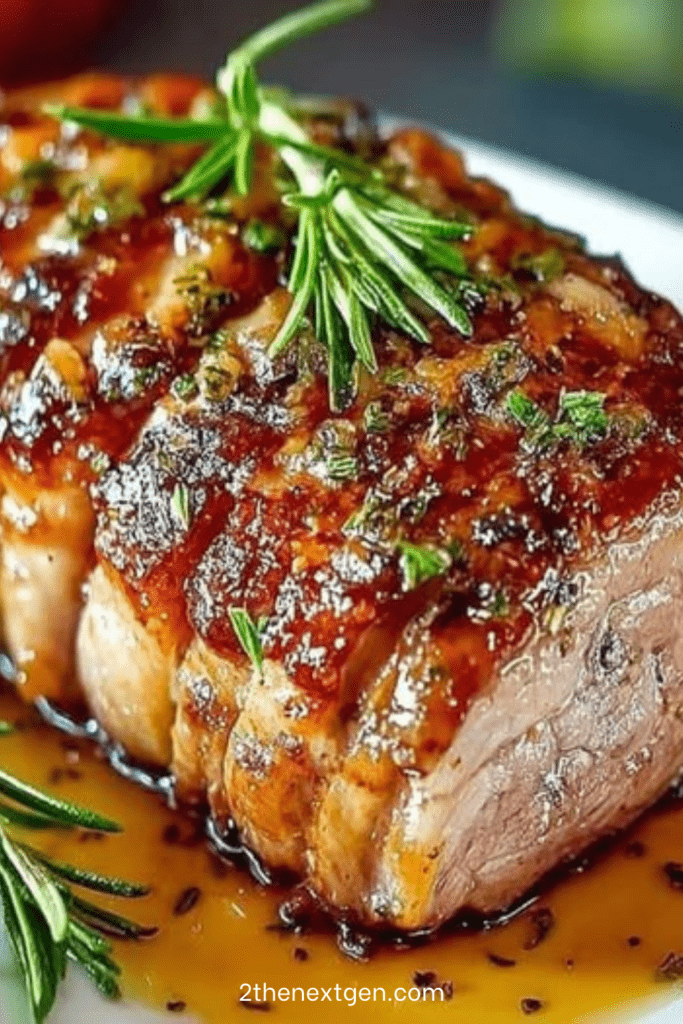
Tuscan-Style Pork Roast is a fragrant, rustic and deeply comforting dish inspired by the traditional flavors of the Italian countryside. Known in Italy as Arista di Maiale, this classic roast celebrates simplicity and quality ingredients. It highlights earthy herbs such as rosemary and sage, aromatic garlic and a touch of lemon zest that brightens the entire recipe. When slowly roasted, the pork becomes tender and juicy, while the herb mixture forms a flavorful crust that infuses the meat with an unmistakable Tuscan essence.
Although the flavors are complex, the preparation is remarkably straightforward. A quick herb paste, a proper sear and a gentle roast are all you need to achieve a dish worthy of an Italian Sunday family dinner. Furthermore, the white wine or broth added during baking creates delicious pan juices that can be served as a light sauce, elevating this rustic roast into a refined main course.
Whether served hot alongside roasted potatoes or enjoyed cold the next day in sandwiches and salads, this Tuscan-style pork roast brings a touch of Mediterranean warmth to any meal. With simple techniques and thoughtful seasoning, it delivers outstanding results every time.
History and Background of the Recipe
Tuscan cuisine is known for its honest approach to cooking: minimalism, high-quality ingredients and the natural flavors of the land. Pork has long been a staple in this region, celebrated in dishes such as porchetta, prosciutto toscano and traditional roasts prepared for gatherings and holidays. The combination of rosemary, sage and garlic, in particular, is a cornerstone of Tuscan seasoning, used to perfume meats, stews and roasted vegetables.
Historically, Arista di Maiale dates back to the Renaissance period, when Tuscan cooks perfected the art of roasting pork with herbs and olive oil. Rosemary and sage were abundant in the hills of Tuscany, while garlic enhanced their aroma, forming what Italians call soffritto, a blend of aromatic ingredients essential in many regional recipes. Lemon zest, though optional, reflects the Mediterranean climate and the availability of citrus fruits, adding brightness without overpowering the meat.
The method of searing the roast before oven cooking is also rooted in traditional Italian culinary practice. This technique locks in moisture while creating a golden crust that enhances both flavor and texture. Cooking the meat slowly afterward allows the fat to render gently, resulting in tenderness that suits a roast meant to be shared among family and friends.
Today, Tuscan-style pork roast remains a timeless favorite, cherished for its rich aroma, balanced flavors and versatility. It represents everything beloved about Italian home cooking: simplicity, warmth and authenticity.
Ingredients
- 1 boneless pork roast (loin, about 1.3 kg)
- 4 large garlic cloves, finely chopped
- 2 tablespoons fresh rosemary leaves, chopped
- 2 tablespoons fresh sage leaves, chopped
- Zest of a small lemon, finely grated (optional)
- 3 tablespoons extra-virgin olive oil, divided
- Kosher salt
- Freshly ground black pepper
- 1/2 cup dry white wine or chicken broth
Preparation
Step 1: Prepare the flavor-packed herb mixture
Begin by creating the aromatic herb paste that defines the flavor of this roast. Place the chopped garlic, rosemary, sage and lemon zest into a mortar and pestle or a small food processor. Add 1 tablespoon of extra-virgin olive oil. Crush or blend the mixture until it becomes a coarse paste. This mixture releases essential oils from the herbs and creates a potent seasoning that adheres beautifully to the meat.
Step 2: Season and prepare the pork roast
Season the pork generously on all sides with kosher salt and freshly ground black pepper. After seasoning, use your hands to rub the herb mixture all over the roast, ensuring full coverage. The herbs will infuse the meat as it cooks, creating a flavorful crust. If you wish to maintain a perfectly uniform shape, tie the roast with kitchen twine at regular intervals. Allow the meat to rest at room temperature for about 30 minutes. This resting period helps the roast cook more evenly.
Step 3: Sear the roast to create a golden crust
Preheat your oven to 180°C (350°F). Heat the remaining olive oil in a large oven-safe skillet or pot over medium-high heat. Once the oil is hot, sear the pork roast on all sides until it develops a deep, golden-brown crust. This process usually takes 8 to 10 minutes. Searing not only enhances flavor but also locks in moisture, ensuring a tender final result.
Step 4: Roast the pork to perfection
After searing, remove the skillet from the heat. Pour the white wine or chicken broth into the pan to deglaze, scraping up the browned bits stuck to the bottom. These caramelized bits dissolve into the liquid, creating a rich base for the pan juices. Transfer the skillet to the preheated oven and roast until the pork reaches an internal temperature of 65°C (150°F). Depending on the size of the roast, this step typically requires 1 to 1.5 hours. Slow roasting ensures even cooking and preserves juiciness.
Step 5: Rest the meat before slicing
Once the pork reaches the desired temperature, remove it from the oven and tent it loosely with aluminum foil. Allow it to rest for 10 to 15 minutes. Resting enables the juices to redistribute throughout the meat, preventing dryness and ensuring a tender and flavorful slice.
Step 6: Slice and serve with pan juices
Remove the kitchen twine and transfer the roast onto a cutting board. Slice it thinly with a sharp knife. Arrange the slices on a serving platter and spoon the warm pan juices over the top. The juices are both aromatic and savory, perfectly complementing the roast. This dish pairs wonderfully with roasted potatoes, sautéed greens or crusty Italian bread that can soak up the sauce.
Nutritional Information (Estimated per Serving)
Although values depend on serving size and the cut of pork used, one portion typically contains:
- Calories: 380–480 kcal
- Protein: 42 g
- Fat: 20 g
- Carbohydrates: 3 g
- Fiber: 0 g
- Sodium: Moderate
- Iron: High
Pork loin is a lean source of protein, and the use of olive oil and fresh herbs keeps the dish nutritious. While this roast is naturally rich in flavor, it remains balanced and suitable for various diets when served alongside vegetables or lighter sides.
Frequently Asked Questions
Can I prepare this roast in advance?
Yes. You can season and rub the pork with the herb mixture several hours before cooking. For deeper flavor, refrigerate it overnight. Just allow it to return to room temperature before searing.
Can I use a different cut of pork?
A pork shoulder can be used for a more tender and fattier result, though cooking times may increase. Pork tenderloin is not recommended because it is too lean and cooks quickly, risking dryness.
What can I substitute for white wine?
Chicken broth is an excellent substitute and produces equally delicious pan juices. You can also use vegetable broth or a splash of apple cider for a fruitier note.
Should I cover the roast while baking?
No. Leaving it uncovered allows the exterior to brown and the herbs to form a flavorful crust. Covering may cause steaming, which softens the crust.
How do I know the roast is done?
Use a meat thermometer inserted into the thickest part of the roast. A temperature of 65°C (150°F) ensures tender, juicy slices. Do not overcook, as pork loin can become dry.
Can I add vegetables to the roasting pan?
Absolutely. Potatoes, carrots, fennel or onions can be added to the pan. They will absorb the pan juices and develop wonderful flavor as the roast cooks.
Conclusion
Tuscan-Style Pork Roast is a timeless, aromatic and comforting dish that beautifully captures the heart of Italian countryside cooking. With its blend of garlic, rosemary, sage and olive oil, this roast is deeply flavorful yet incredibly simple to prepare. Searing the pork creates a caramelized crust, while slow roasting ensures a tender and juicy interior. The white wine or broth enhances the pan juices, transforming them into a light yet satisfying sauce.
Perfect for family gatherings, festive meals or weekend dinners, this recipe delivers reliable results and impressive flavor with minimal technique. Whether served warm with roasted potatoes or enjoyed cold in sandwiches the next day, this Tuscan roast remains a versatile and refined addition to your repertoire.
Check also:
Lemon Chicken Ricotta Meatballs
Chicken and meat easy Recipes
Suggestions:
- Roasted Cauliflower with Tahini Sauce Recipe
- Creamy Garlic Parmesan Chicken and Potatoes Stew Recipe
- Sausage and Potato Skillet with Peppers and Onions Recipe
- Cajun Sausage and Rice Skillet One Pot Dinner Recipe
- Crockpot Pierogi Casserole with Kielbasa Recipe