

Share
Introduction
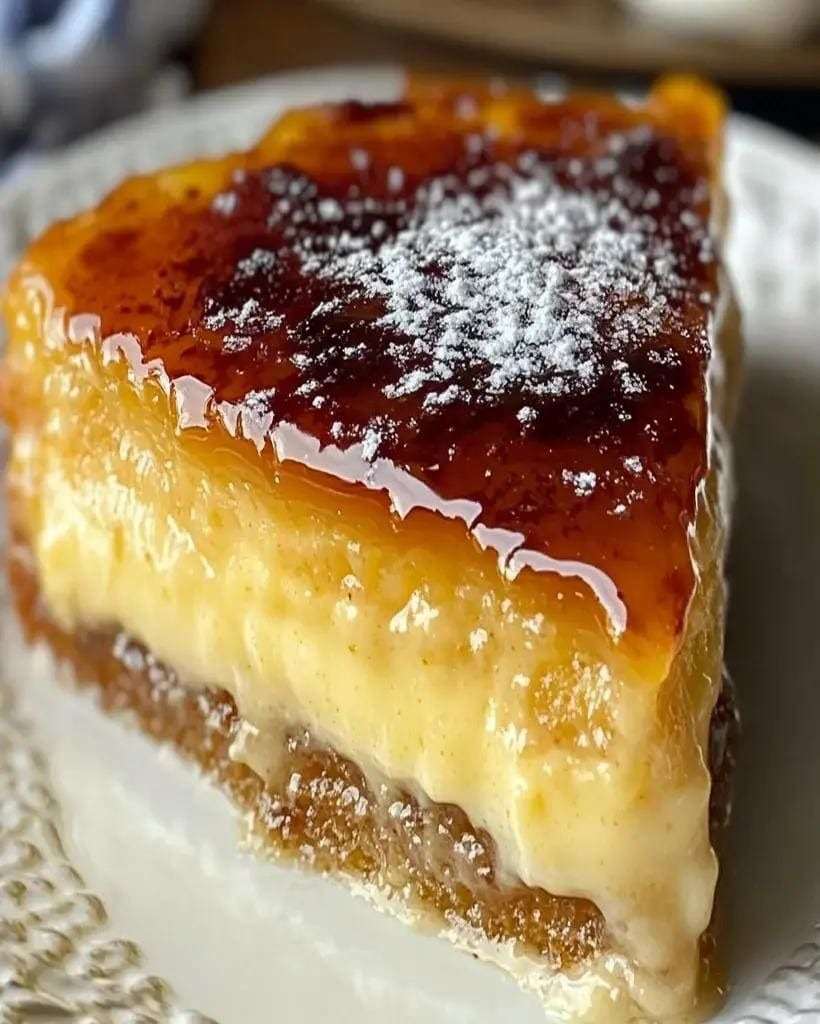
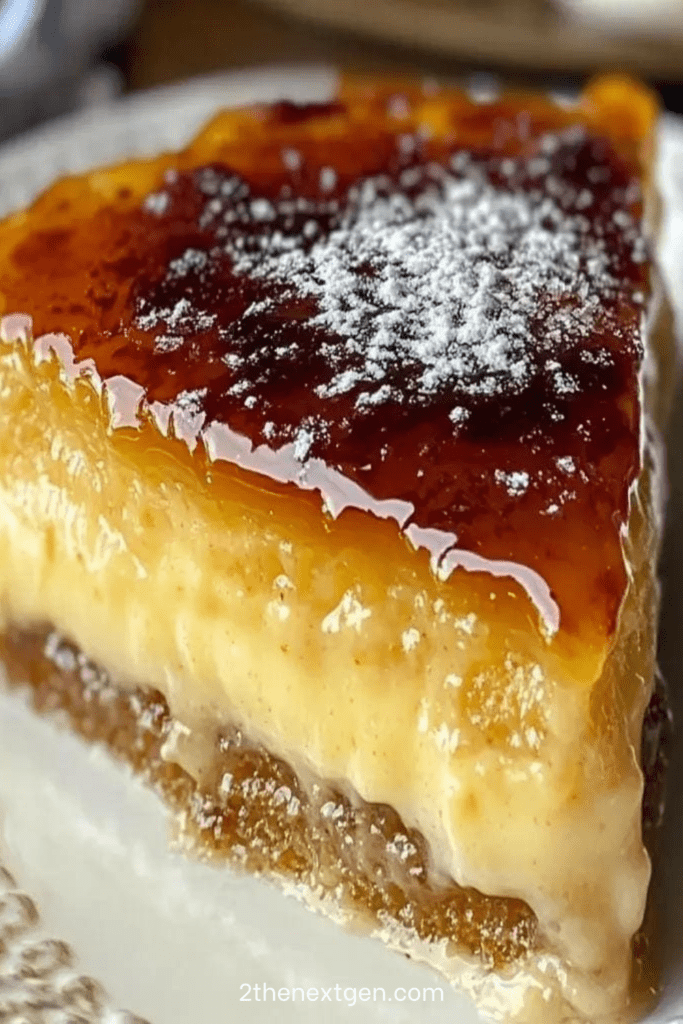
Ultra-creamy French custard tart, often known as flan pâtissier, is the kind of dessert that feels timeless for a reason. It is smooth, tender, and melt-in-your-mouth, yet it still has structure, which makes each slice clean and satisfying. On top of that, the lightly caramelized surface adds a subtle bitterness that balances the sweetness and intensifies the vanilla aroma. As a result, it tastes both rich and refreshing, especially after a proper chill in the refrigerator.
Although it looks like a bakery showpiece, this dessert is surprisingly approachable. The method relies on a few classic techniques: warming milk with vanilla, thickening a custard with cornstarch, and baking until the surface turns golden. Therefore, if you follow the steps calmly and whisk steadily, you will end up with a custard that is silky rather than lumpy, and a tart that slices beautifully instead of collapsing.
History and Recipe Information
Flan pâtissier is strongly associated with French bakeries, where it is displayed in thick, generous wedges behind glass counters. Historically, custards thickened with starch were common in European pastry traditions because they were economical, reliable, and easy to portion. Over time, the French version became particularly iconic due to its height, its creamy yet stable texture, and its unmistakable vanilla perfume.
Unlike crème brûlée or baked egg custards that rely entirely on eggs to set, flan pâtissier uses starch, which gives it a different mouthfeel. Because cornstarch stabilizes the custard, the texture becomes dense, smooth, and sliceable rather than delicate and spoon-only. At the same time, baking creates a gentle skin on top, which naturally caramelizes in spots and adds depth.
There are also regional and family variations. Some versions use only milk for a clean, light dairy flavor, while others add heavy cream for extra richness and a more luxurious mouthfeel. In addition, the crust can range from shortcrust to puff pastry, depending on preference. This recipe keeps things classic with shortcrust pastry and offers cream as an optional upgrade for a custard that feels even more indulgent.
Ingredients
- 1 shortcrust pastry
- 1 L whole milk
- 4 eggs
- 150 g sugar
- 90 g cornstarch
- 1 vanilla bean, or 1 teaspoon vanilla extract
- 200 ml heavy cream, optional for extra creaminess
- Powdered sugar, for dusting
Preparation Step by Step
Step 1: Prepare the crust and preheat the oven
First, preheat the oven to 350°F. Roll out the shortcrust pastry and fit it into a pie dish, pressing gently into the sides. Then prick the bottom with a fork to help prevent bubbling. If you want a neater edge, trim the excess pastry and press the rim cleanly. This preparation matters because a well-fitted crust supports the custard and improves slice structure.
Step 2: Heat the milk with vanilla
Next, pour the milk into a saucepan. If using a vanilla bean, split it lengthwise, scrape out the seeds, and add both seeds and pod to the milk. Warm the milk until it just begins to simmer, then remove it from the heat. Letting it sit briefly helps the vanilla infuse more deeply, which strengthens the final flavor without needing extra sugar. If using vanilla extract, you can add it after the milk is hot or later when thickening.
Step 3: Whisk eggs and sugar until pale
Meanwhile, in a large bowl, whisk the eggs with the sugar until the mixture looks lighter and slightly foamy. This step helps the custard feel smoother because the sugar begins dissolving early. In addition, it creates a more even base for the cornstarch, which reduces the risk of lumps.
Step 4: Add cornstarch and mix until smooth
Now add the cornstarch to the egg and sugar mixture. Whisk patiently until completely smooth. It is important to break up any pockets of starch here, because once hot liquid is added, lumps become harder to fix. If you are using heavy cream, you can whisk it in at this stage for an even richer custard.
Step 5: Temper with hot milk, then return to the saucepan
Gradually pour the hot milk into the bowl while whisking constantly. This slow pour is essential because it raises the temperature gently and prevents the eggs from scrambling. Once fully combined, pour everything back into the saucepan. Then cook over medium heat, stirring constantly with a whisk or spatula, until the custard thickens noticeably. You should see it become glossy and dense, with a texture similar to pastry cream. As soon as it thickens, keep stirring for about one extra minute so the starch is fully cooked and the custard becomes stable.
Step 6: Fill the crust and bake until golden
Pour the thickened custard into the prepared crust and smooth the surface. Then bake for 45 to 50 minutes, until the top turns golden with darker caramelized spots. The center may still have a gentle wobble, which is normal because it will firm as it cools. However, the surface should look set and lightly bronzed.
Step 7: Cool fully, then chill for clean slices
Remove the tart from the oven and let it cool to room temperature. Then refrigerate for at least 2 hours. This chilling time is not optional if you want the ultra-creamy yet sliceable texture. As the custard cools, it sets fully and becomes smoother. Right before serving, dust lightly with powdered sugar for a classic finish.
Step 8: Optional broiler caramelization for a deeper top
If you want a more pronounced caramelized finish, place the baked flan under the broiler for 2 to 3 minutes at the end of baking. Watch closely because it can darken quickly. This final step adds extra depth and gives a more bakery-style top, especially if you enjoy those toasted vanilla notes.
Nutritional Information
Nutritional values vary depending on whether you include heavy cream and on the thickness of the crust. In general, this dessert is rich in carbohydrates from sugar and cornstarch, contains protein from eggs and milk, and provides fat primarily from whole milk, optional cream, and pastry. Because it is made with dairy, it also contributes calcium.
Since flan pâtissier is both filling and satisfying, a moderate slice often feels like enough. Additionally, serving it chilled can make it taste lighter than it actually is, which is why it pairs well with black coffee, unsweetened tea, or fresh fruit. If you want to reduce richness slightly, you can skip the heavy cream and keep the recipe milk-based while still maintaining the classic texture.
FAQ
What is the difference between flan pâtissier and crème brûlée?
Flan pâtissier is a baked custard tart that is thickened with starch and sliced like a cake, usually served cold. Crème brûlée is an egg-based custard served in ramekins with a hardened caramel sugar topping, typically eaten with a spoon. Because the setting methods differ, the textures are also very different.
Can I use puff pastry instead of shortcrust pastry?
Yes, puff pastry is a popular alternative and gives a crisp, flaky base. However, shortcrust pastry creates a sturdier, more classic slice. If you use puff pastry, consider baking on a lower rack so the bottom cooks thoroughly.
Why did my custard turn lumpy?
Lumps usually come from adding hot milk too quickly, not whisking the cornstarch smoothly before tempering, or heating the custard too aggressively once back in the saucepan. To avoid this, whisk the starch until perfectly smooth, pour milk gradually, and stir constantly over medium heat.
How do I know when the flan is baked enough?
The top should be golden with some caramelized spots, and the custard should look set around the edges. The center can wobble slightly when you move the pan. Since it firms as it cools, a slight jiggle is normal and often leads to the creamiest final texture.
Can I make this dessert the day before?
Yes, and it is actually ideal. Flan pâtissier improves after chilling because the custard becomes smoother and slices more cleanly. Make it the day before, refrigerate overnight, and dust with powdered sugar just before serving.
How long does French custard tart keep in the refrigerator?
It typically keeps well for 3 to 4 days when stored covered in the refrigerator. Over time, the crust can soften slightly, but the flavor remains excellent. For the best texture, keep it chilled and slice only what you need.
Conclusion
Ultra-creamy French custard tart is a classic dessert that combines simplicity with a truly luxurious result. Because the custard is thickened before baking, it becomes smooth, stable, and beautifully sliceable, while the oven creates that lightly caramelized top that makes flan pâtissier so recognizable. Additionally, the vanilla-infused milk gives it a delicate fragrance that feels both comforting and refined.
If you want a dessert that is easy to prepare ahead, impressive to serve, and universally loved, this caramelized French custard tart is a perfect choice. Chill it properly, slice it cleanly, dust it with powdered sugar, and enjoy a timeless bakery-style treat right at home.
Check also:
Lemon Chicken Ricotta Meatballs
Chicken and meat easy Recipes
Suggestions:
- Roasted Tomato Caprese Salad with Balsamic and Basil
- Sheet Pan Zucchini Chickpeas with Feta and Lemon
- Burrata Bruschetta with Marinated Cherry Tomatoes
- Easy Garlic Butter Cauliflower and Mushroom Skillet
- Easy Mint and Feta Stuffed Flatbreads in a Skillet