

Share
Introduction
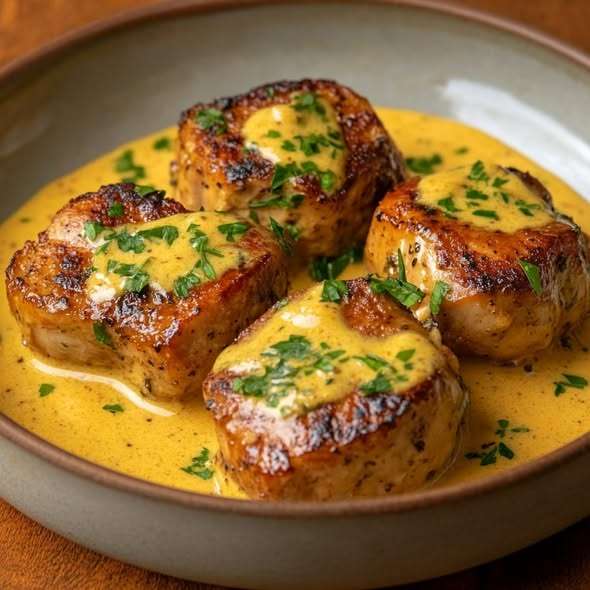
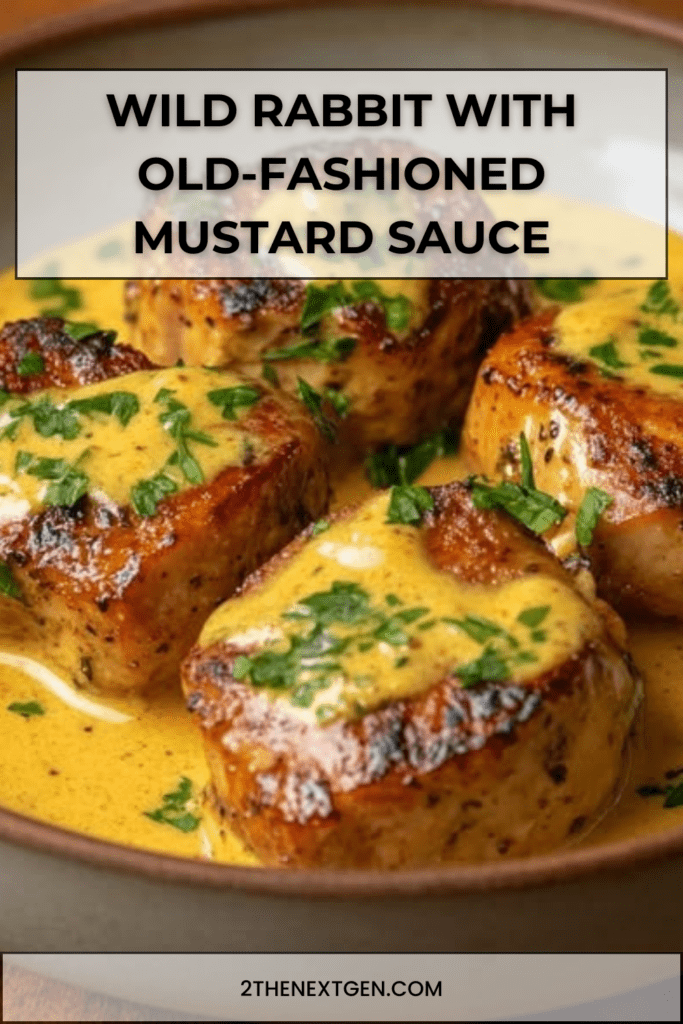
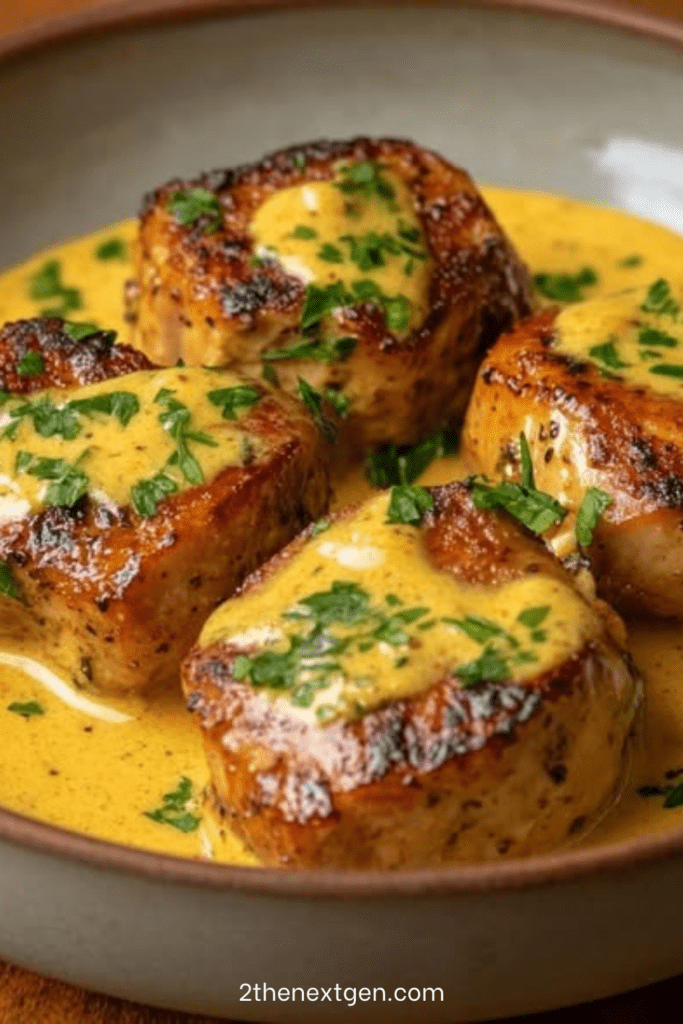
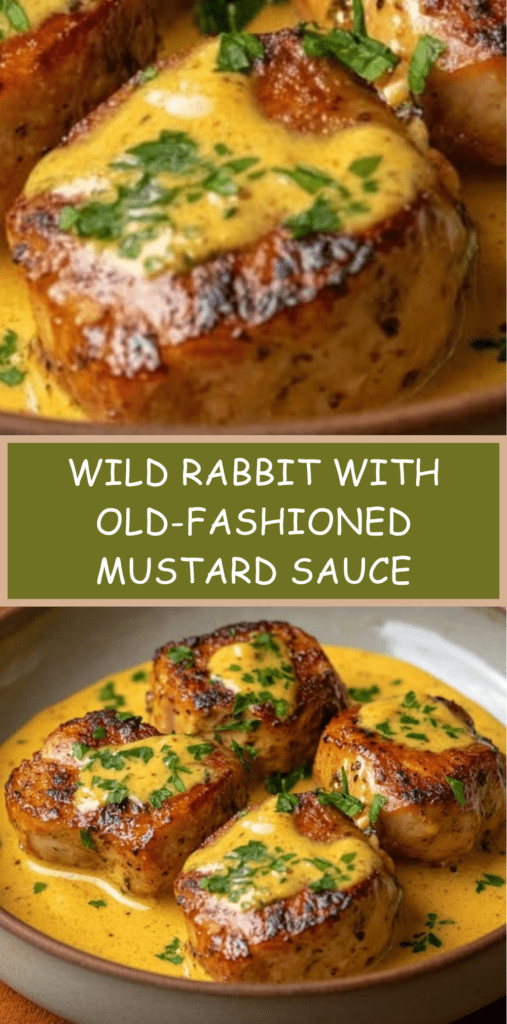
Wild rabbit with old-fashioned mustard is a deeply traditional dish that reflects the heart of rustic French countryside cooking. Tender rabbit meat gently simmered in a creamy mustard sauce creates a dish that is both refined and comforting. The sharpness of whole-grain mustard balances the richness of the cream, while white wine and aromatics bring depth and elegance to the sauce.
This recipe is perfect for those who enjoy authentic, slow-style cooking rooted in tradition. Although rabbit is a lean meat, careful cooking ensures it remains tender and flavorful. Served with simple side dishes, this wild rabbit recipe transforms a humble ingredient into a sophisticated and memorable meal, ideal for family lunches or special occasions.
History and Culinary Background
Rabbit has long been a staple in European rural cuisine, particularly in France, Italy, and Spain. Historically, rabbit was valued for being affordable, widely available, and nutritious. It was often cooked slowly with wine, herbs, and mustard to enhance tenderness and flavor.
Old-fashioned mustard, made with whole mustard seeds, has been used for centuries in French cooking. Its texture and mild acidity pair exceptionally well with creamy sauces and delicate meats like rabbit. This combination became especially popular in farmhouse kitchens, where simple ingredients were elevated through careful technique. Today, rabbit with mustard remains a symbol of classic French comfort cooking, appreciated for its balance of rustic charm and refined taste.
Ingredients
To prepare wild rabbit with old-fashioned mustard for four people, you will need the following ingredients:
- 800 g wild rabbit (saddle or thick pieces)
- 30 g butter
- 1 tablespoon olive oil (15 ml)
- 2 garlic cloves (6 g), finely chopped
- 2 shallots (60 g), finely chopped
- 120 ml dry white wine
- 250 ml heavy cream
- 3 tablespoons old-fashioned mustard (about 60 g)
- 10 g fresh parsley, finely chopped
- 6 g fine salt
- 2 g ground black pepper
Preparation
Step 1: Prepare the Rabbit
Cut the rabbit into even-sized pieces if not already done. Pat them thoroughly dry with paper towels. This step is essential to ensure proper browning. Season all sides generously with salt and black pepper, pressing the seasoning lightly into the meat.
Step 2: Brown the Meat
Heat a large skillet over medium-high heat. Add the olive oil and butter. Once the butter begins to foam slightly, place the rabbit pieces in the pan without overcrowding. Brown them on all sides for 8 to 10 minutes until a golden crust forms. This step develops flavor and seals the meat. Remove the rabbit from the pan and keep warm.
Step 3: Sauté the Aromatics
In the same skillet, lower the heat slightly and add the finely chopped shallots and garlic. Sauté for 2 to 3 minutes, stirring constantly, until the mixture becomes soft and fragrant without browning excessively.
Step 4: Deglaze with White Wine
Pour the white wine into the pan and scrape the bottom with a wooden spoon to release the browned bits. Let the wine reduce for about 2 minutes, allowing the alcohol to evaporate while concentrating the flavors.
Step 5: Add the Mustard
Stir in the old-fashioned mustard, mixing thoroughly to create a smooth and aromatic base. The mustard should fully integrate with the wine and aromatics.
Step 6: Incorporate the Cream
Pour in the heavy cream and stir gently until the sauce becomes smooth and uniform. Reduce the heat to low to avoid boiling.
Step 7: Simmer the Rabbit
Return the rabbit pieces to the skillet, ensuring they are well coated with the sauce. Cover and let simmer gently for 15 minutes. During this time, the meat will become tender while absorbing the flavors of the mustard sauce.
Step 8: Finish and Serve
Just before serving, sprinkle the dish with finely chopped fresh parsley. Taste and adjust seasoning if necessary. Serve hot, generously coated with sauce.
Nutritional Information
Wild rabbit is a lean source of high-quality protein and is naturally low in fat compared to many other meats. It is rich in essential amino acids, vitamin B12, and minerals such as iron and phosphorus.
The sauce, enriched with cream and mustard, adds fat and flavor, making the dish satisfying and balanced when served with vegetables or starches. Enjoyed in moderation, this recipe fits well into a varied and nutritious diet.
Frequently Asked Questions
Is Rabbit Meat Difficult to Cook?
Rabbit requires gentle cooking to stay tender. Avoid high heat after browning, and always simmer slowly once the sauce is added.
Can I Use Farm-Raised Rabbit Instead of Wild Rabbit?
Yes, farm-raised rabbit works very well and is often slightly more tender. Cooking times remain similar.
What Can I Serve with Rabbit in Mustard Sauce?
This dish pairs beautifully with mashed potatoes, buttered pasta, rice, or steamed vegetables such as green beans or carrots.
Can I Prepare This Recipe in Advance?
Yes, rabbit with mustard tastes even better the next day. Reheat gently over low heat to preserve the sauce texture.
How Do I Prevent the Sauce from Splitting?
Never let the sauce boil after adding the cream. Keep it at a gentle simmer to maintain smoothness.
Conclusion
Wild rabbit with old-fashioned mustard is a timeless recipe that showcases the elegance of traditional French cooking. With its tender meat, creamy sauce, and balanced mustard flavor, it delivers depth, comfort, and authenticity in every bite.
By respecting gentle cooking methods and using quality ingredients, this dish becomes both rustic and refined. Ultimately, this recipe is a celebration of classic techniques and simple flavors, proving that traditional cuisine remains just as relevant and satisfying today.
Check also:
Lemon Chicken Ricotta Meatballs
Chicken and meat easy Recipes
Suggestions:
- Tuna Avocado Verrines Easy Fresh Appetizer Recipe
- Greek Yogurt Cake Easy Homemade Recipe
- Brownie Cheesecake Chocolate Fudge Dessert Recipe
- Spanish Tapas-Style Tortilla Recipe Easy and Authentic
- Easy Apple Mascarpone Cake to Make Today