


Share
Introduction
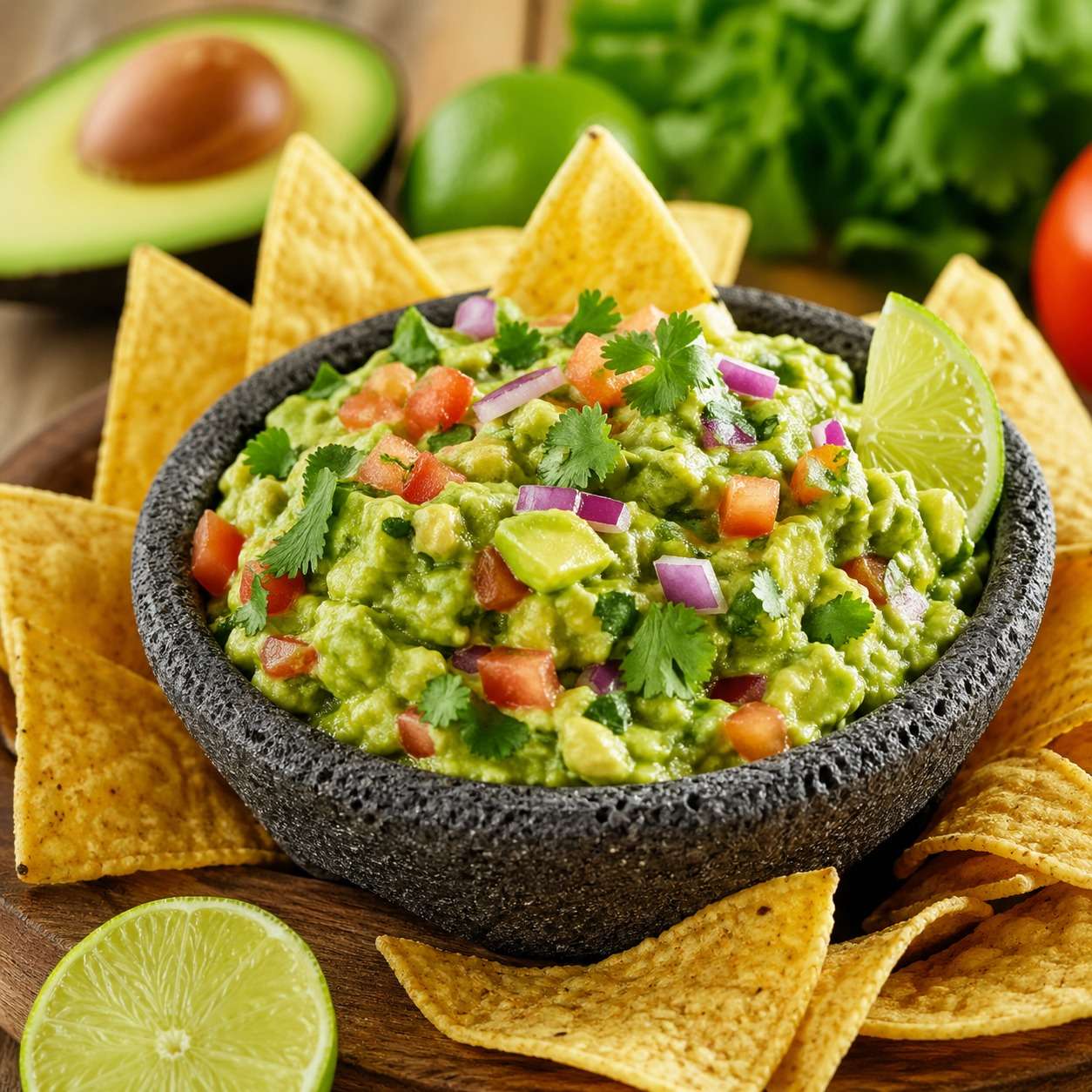
Classic Homemade Guacamole is one of the easiest, freshest, and most flavorful dips you can make in just a few minutes. Made with ripe avocados, tomato, red onion, garlic, lime juice, cilantro, salt, black pepper, and optional jalapeño, this recipe is creamy, chunky, bright, and perfect for sharing.
This guacamole is ideal for serving with tortilla chips, tacos, burritos, grilled chicken, nachos, quesadillas, sandwiches, wraps, or fresh vegetables. It is simple enough for a quick snack, yet flavorful enough for parties, family dinners, barbecues, and casual gatherings.
Moreover, the beauty of homemade guacamole is its freshness. Unlike store-bought versions, this recipe lets you control the texture, seasoning, acidity, and spice level. You can keep it mild and creamy, or you can add jalapeño for a little heat. You can also adjust the lime juice and salt until the flavor tastes perfectly balanced.
In addition, this classic guacamole recipe takes only 10 minutes to prepare. There is no cooking required, and all you need is a mixing bowl, a fork, and fresh ingredients. As a result, it is one of the best quick dips to prepare when you want something healthy, colorful, and delicious.
History and Information About Guacamole
Guacamole is a traditional avocado-based dip with roots in Mexican cuisine. Avocados have been cultivated in Mexico and Central America for thousands of years, and they remain an essential ingredient in many dishes today. Their creamy texture, mild flavor, and natural richness make them perfect for dips, sauces, spreads, and toppings.
The word guacamole comes from the Nahuatl word “ahuacamolli,” which refers to an avocado sauce or avocado mixture. Traditionally, guacamole was made by mashing ripe avocados with simple ingredients such as salt, chili, and sometimes tomato or herbs. Over time, many versions developed, depending on region, family preference, and available ingredients.
Classic guacamole is loved because it celebrates fresh ingredients. Ripe avocado gives the dip its creamy base. Lime juice adds brightness and helps slow browning. Red onion provides crunch and sharpness, tomato adds freshness and color, cilantro brings a herbal note, and garlic gives a deeper savory flavor. Jalapeño is optional, but it adds a pleasant spicy kick.
One of the most important parts of guacamole is texture. Some people prefer it smooth, while others love it chunky. This recipe keeps the avocado creamy but slightly chunky, which gives the dip a homemade feel. The diced tomato and onion also add texture, making every bite fresh and satisfying.
Today, guacamole is enjoyed around the world. It is commonly served with tortilla chips, but it is also used as a topping for tacos, bowls, burgers, toast, salads, grilled meats, and breakfast dishes. Because it is quick, naturally creamy, and packed with flavor, it has become a favorite recipe for both everyday meals and festive occasions.
Ingredients
- 3 ripe avocados
- 1 small tomato, diced
- ½ small red onion, finely chopped
- 1 small garlic clove, minced
- 1 lime, juiced
- 2 tablespoons fresh cilantro, chopped
- ½ teaspoon salt, or to taste
- ¼ teaspoon black pepper
- ½ jalapeño, finely chopped, optional
- Tortilla chips, for serving
Preparation Step by Step
Step 1: Choose Ripe Avocados
First, choose ripe avocados for the best guacamole texture. A ripe avocado should feel slightly soft when gently pressed, but it should not feel mushy. If it is very hard, it will be difficult to mash and may taste bland. If it is too soft, it may be overripe and have brown spots inside.
Ripe avocados are the heart of this recipe, so this step matters. Since guacamole is made with only a few fresh ingredients, the quality of the avocados directly affects the final flavor.
If your avocados are not ripe yet, leave them at room temperature for a day or two. To speed up ripening, place them in a paper bag with a banana or apple.
Step 2: Cut and Scoop the Avocados
Cut the avocados in half lengthwise and carefully remove the pits. Then, use a spoon to scoop the flesh into a mixing bowl.
Check the avocado flesh as you scoop. If you see any dark or bruised spots, remove them before mashing. A few small spots are normal, but fresh green avocado gives the best color and flavor.
Once all the avocado flesh is in the bowl, you are ready to mash it.
Step 3: Mash the Avocados
Mash the avocados with a fork until creamy but still slightly chunky. Do not overmash if you like a rustic homemade guacamole texture.
A fork is better than a blender for classic guacamole because it gives you more control. Blending can make the guacamole too smooth and remove the pleasant chunky texture.
The goal is a creamy base with small pieces of avocado still visible. This gives the dip a fresh, natural texture.
Step 4: Add Lime Juice
Add the fresh lime juice to the mashed avocado and mix gently. Lime juice is very important because it adds brightness and balances the richness of the avocado.
In addition, lime juice helps slow oxidation, which means it helps keep the guacamole bright green for longer. However, guacamole is still best served fresh.
Start with the juice of one lime, then taste later and adjust if needed. Some limes are more acidic than others, so the exact amount can vary slightly.
Step 5: Add Tomato, Onion, Garlic, and Cilantro
Add the diced tomato, finely chopped red onion, minced garlic, and chopped cilantro to the bowl.
Mix gently so the ingredients are evenly distributed without turning the guacamole too smooth. The tomato adds juiciness, the onion adds crunch, the garlic adds depth, and the cilantro brings a fresh herbal flavor.
For the best texture, dice the tomato and onion finely. Large pieces can make the dip harder to scoop with tortilla chips.
Step 6: Season the Guacamole
Add the salt and black pepper. Then, add the finely chopped jalapeño if you want a spicy version.
Mix gently and taste. This step is important because guacamole needs enough salt and lime juice to bring out the flavor of the avocado. If it tastes flat, add a little more salt. If it tastes too rich, add more lime juice.
And if you enjoy extra flavor, you can also add a pinch of cumin or a small drizzle of olive oil. These additions are optional, but they can give the dip more depth.
Step 7: Adjust the Texture
After mixing, check the texture of the guacamole. If you want it creamier, mash it a little more with the fork. If you prefer it chunkier, stop mixing as soon as the ingredients are combined.
You can also fold in extra diced tomato, onion, or cilantro at the end for more texture and color.
The best guacamole should be creamy enough to scoop but chunky enough to feel fresh and homemade.
Step 8: Transfer to a Serving Bowl
Transfer the guacamole to a serving bowl. Smooth the top slightly with a spoon, then add extra diced tomato, red onion, cilantro, and a lime wedge for decoration.
This makes the guacamole look fresh and colorful. It also shows the ingredients inside the dip, which makes it more appetizing.
If serving for guests, place tortilla chips around the bowl or serve them in a separate basket.
Step 9: Serve Immediately
Serve the guacamole immediately with tortilla chips. Fresh guacamole tastes best right after mixing because the avocado is bright, the herbs are fresh, and the texture is perfect.
You can also serve it with tacos, nachos, grilled chicken, burrito bowls, quesadillas, toast, wraps, or raw vegetables.
If you need to wait before serving, press plastic wrap directly onto the surface of the guacamole to reduce air contact. This helps slow browning.
Nutritional Information
The following nutritional values are approximate and may vary depending on the size of the avocados and serving portion.
For one serving, based on 4 servings:
Calories: approximately 180 to 260 kcal
Protein: approximately 3 g
Carbohydrates: approximately 14 g
Fat: approximately 16 to 24 g
Fiber: approximately 8 g
Sugar: approximately 2 g
Sodium: varies depending on added salt and tortilla chips used
Classic homemade guacamole is rich in healthy fats from avocado. It also provides fiber, potassium, and fresh plant-based ingredients. The tomato, onion, lime, cilantro, and jalapeño add flavor without making the dip heavy.
To make the recipe lighter, serve guacamole with fresh vegetables instead of tortilla chips. Cucumber slices, carrot sticks, bell pepper strips, and celery all pair well with it. For a more filling snack, serve it with whole-grain toast or protein-rich toppings.
FAQ
How Do I Know If an Avocado Is Ripe?
A ripe avocado should feel slightly soft when gently pressed. It should not be rock hard, and it should not feel mushy. If the avocado gives slightly under your fingers, it is usually ready to use.
Can I Make Guacamole Ahead of Time?
Guacamole is best served fresh, but you can make it a few hours ahead. To store it, press plastic wrap directly onto the surface and refrigerate. This reduces air exposure and helps slow browning.
Why Does Guacamole Turn Brown?
Guacamole turns brown because avocado reacts with oxygen. Lime juice helps slow this process, and covering the surface tightly with plastic wrap also helps. However, some browning is natural over time.
Can I Make Guacamole Without Cilantro?
Yes, you can skip cilantro if you do not like it. You can replace it with parsley, fresh mint, or simply leave it out. The guacamole will still taste fresh and delicious.
Can I Make This Guacamole Spicy?
Yes, add finely chopped jalapeño, serrano pepper, chili flakes, or a pinch of cayenne pepper. Start with a small amount, then taste and adjust.
Should Guacamole Be Smooth or Chunky?
That depends on your preference. Classic homemade guacamole is often slightly chunky. However, you can mash it more if you prefer a smoother dip.
Can I Add Olive Oil to Guacamole?
Yes, a small drizzle of olive oil can add richness and a smooth finish. However, avocado is already naturally creamy, so olive oil is optional.
What Can I Serve with Guacamole Besides Chips?
Guacamole pairs well with tacos, burritos, grilled chicken, nachos, quesadillas, burgers, toast, salads, eggs, roasted vegetables, and raw vegetable sticks.
How Long Can I Store Leftover Guacamole?
Leftover guacamole can be stored in the refrigerator for up to 1 day. Press plastic wrap directly onto the surface and keep it tightly covered.
Can I Freeze Guacamole?
Freezing guacamole is possible, but the texture may change after thawing, especially if it contains tomato and onion. For the best flavor and texture, it is better to enjoy guacamole fresh.
Conclusion
Classic Homemade Guacamole is fresh, creamy, chunky, and full of bright flavor. With ripe avocados, lime juice, tomato, red onion, garlic, cilantro, and optional jalapeño, it is a simple recipe that tastes better than anything store-bought.
The key to the best guacamole is to use ripe avocados, add lime juice quickly, season well, and mix gently so the texture stays fresh and slightly chunky. With just a few minutes of preparation, you can create a delicious dip that works for snacks, meals, and gatherings.
Serve it immediately with tortilla chips, tacos, grilled meats, or fresh vegetables. Easy, colorful, and flavorful, this classic homemade guacamole is a recipe you can make again and again.
Check also:
Lemon Chicken Ricotta Meatballs
Chicken and meat easy Recipes
Suggestions:
- Crispy Garlic Parmesan Fries Baked to Golden Perfection
- Creamy Tomato and Roasted Red Pepper Fusilli Recipe
- Juicy Grilled Beef Kofta Recipe with Creamy Yogurt Sauce
- Easy Ground Beef Fried Rice with Mixed Vegetables Recipe
- Moist Date and Walnut Loaf with Honey Glaze Recipe