


Share
Introduction
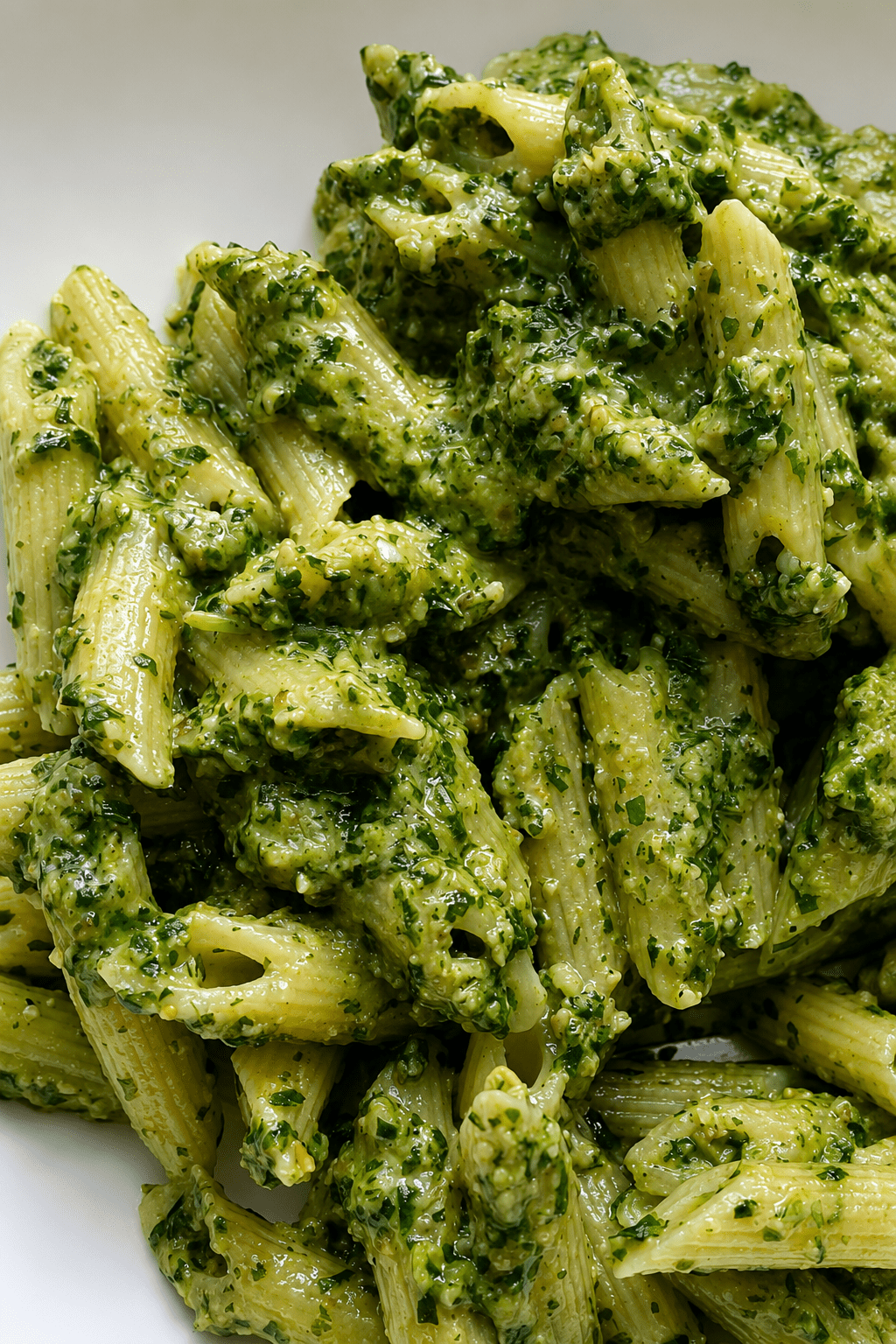
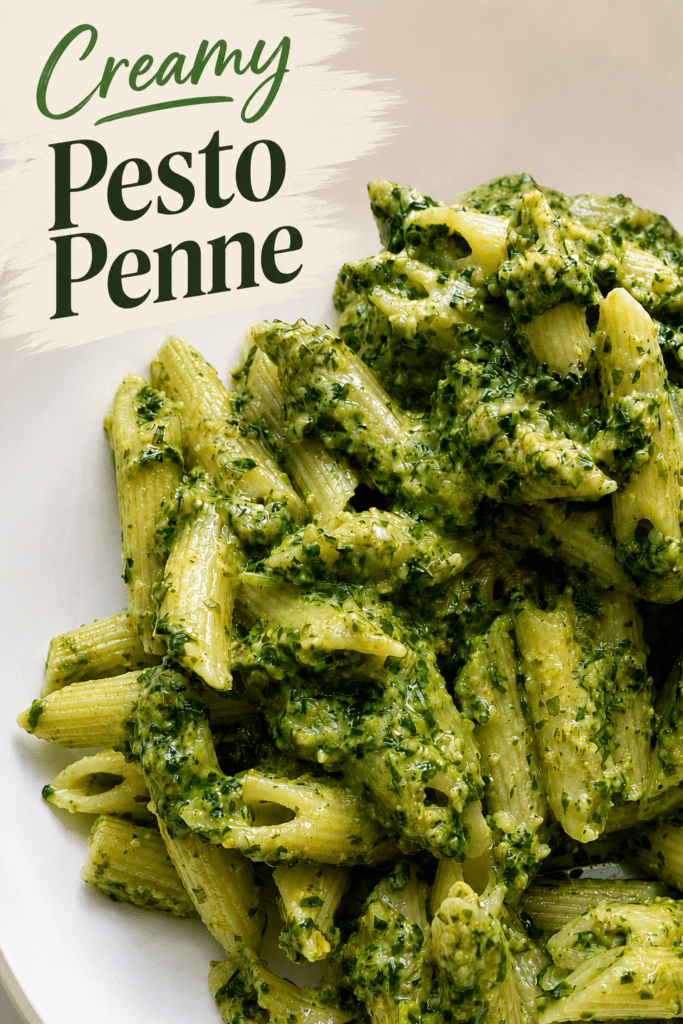
Creamy Pesto Penne Pasta is a fresh, flavorful, and comforting pasta recipe made with homemade basil pesto, Parmesan cheese, olive oil, garlic, nuts, and a touch of cream. It is smooth, aromatic, rich without being too heavy, and perfect for an easy lunch or dinner.
This recipe combines the bright taste of classic pesto with the creamy texture of a warm pasta sauce. Fresh basil gives the dish its signature green color and herb flavor, while Parmesan adds a salty, nutty richness. Olive oil creates a silky base, garlic brings depth, and lemon juice adds brightness. Then, heavy cream and optional cream cheese make the sauce smooth, gentle, and satisfying.
Moreover, penne is a perfect pasta shape for creamy pesto sauce. Its tube shape catches the sauce inside and around each piece, making every bite flavorful. The reserved pasta cooking water also helps loosen the sauce and gives it a glossy texture without making it watery.
This creamy pesto pasta is also very versatile. You can serve it on its own, or you can add grilled chicken, shrimp, roasted vegetables, mushrooms, cherry tomatoes, or spinach. It also pairs beautifully with garlic bread and a fresh green salad.
Another great thing about this recipe is that it comes together quickly. While the pasta cooks, you can blend the pesto. Then, you gently warm the sauce over low heat, toss in the penne, and finish with extra Parmesan and black pepper. As a result, you get a homemade pasta dish that feels fresh, creamy, and restaurant-style without complicated steps.
If you love basil pesto, creamy pasta, and simple homemade dinners, this Creamy Pesto Penne Pasta is a delicious recipe to keep in your weekly meal rotation.
History and Information About Pesto Pasta
Pesto is one of the most famous sauces in Italian cooking. The most traditional version, pesto alla Genovese, comes from Genoa in the Liguria region of Italy. It is typically made with fresh basil, garlic, pine nuts, Parmesan or Pecorino cheese, olive oil, and salt. Traditionally, pesto was made with a mortar and pestle, which gently crushed the basil leaves and released their oils.
Over time, pesto became popular around the world because it is simple, fresh, and full of flavor. Although pine nuts are traditional, many modern recipes use walnuts, cashews, almonds, or other nuts. These alternatives are often more affordable and still give the sauce a rich, nutty texture.
Pesto is usually served with pasta, but it can also be used on sandwiches, roasted vegetables, chicken, fish, pizza, or salads. When mixed with pasta, it creates a bright and aromatic dish that tastes fresh and satisfying.
Creamy pesto pasta is a modern variation of the classic. Instead of serving pesto as a simple olive oil-based sauce, cream is added to create a smoother and richer texture. This makes the sauce softer in flavor and helps it coat pasta beautifully. Cream cheese can also be added for extra body and a slightly tangy taste.
However, pesto should be handled carefully when warmed. Fresh basil can lose its bright green color and fresh flavor if cooked over high heat. Therefore, this recipe warms the pesto gently over low heat. This keeps the basil flavor fresh and helps preserve the beautiful color of the sauce.
Overall, Creamy Pesto Penne Pasta is a simple recipe inspired by classic Italian pesto and modern creamy pasta dishes. It is fresh, rich, easy to prepare, and full of comforting flavor.
Ingredients
To make creamy pesto penne pasta, you will need simple ingredients for the pasta, homemade pesto sauce, and creamy finish.
For the Pasta
- 350 g penne pasta
- Salt, for boiling water
- 1/2 cup pasta cooking water, reserved
For the Pesto Sauce
- 2 cups fresh basil leaves
- 1/2 cup grated Parmesan cheese
- 1/3 cup olive oil
- 1/4 cup pine nuts, walnuts, or cashews
- 2 garlic cloves
- 1 tablespoon lemon juice
- Salt, to taste
- Black pepper, to taste
For the Creamy Version
- 1/3 cup heavy cream or cooking cream
- 2 tablespoons cream cheese, optional
- Extra Parmesan, for serving
Fresh basil is the main ingredient in pesto, giving the sauce its bright color and fresh herbal flavor. Parmesan cheese adds saltiness and depth, while olive oil helps create a smooth texture. Nuts give the sauce richness and body, and garlic adds a bold savory note.
Lemon juice brightens the pesto and balances the richness of the cheese and oil. Heavy cream turns the pesto into a creamy sauce, and cream cheese can be added for extra smoothness. Finally, pasta cooking water helps loosen the sauce and makes it glossy.
Preparation Step by Step
Step 1: Bring the Pasta Water to a Boil
Fill a large pot with water and bring it to a boil. Add salt generously.
Salted water is important because it seasons the pasta as it cooks. Since the sauce is added after the pasta is cooked, seasoning the pasta itself helps the final dish taste more balanced.
Use a large pot so the penne has enough space to move and cook evenly.
Step 2: Cook the Penne
Add the penne pasta to the boiling salted water and cook until al dente according to the package instructions.
Al dente pasta is best because it has a firm texture and holds up well when tossed with the creamy pesto sauce. If the pasta is overcooked, it may become too soft once combined with the warm sauce.
Before draining, reserve 1/2 cup of pasta cooking water. Then drain the pasta and set it aside.
Step 3: Prepare the Basil
While the pasta cooks, prepare the basil leaves. Rinse them gently if needed, then dry them very well.
Dry basil is important because extra water can thin the pesto and make the sauce less flavorful. You can pat the leaves dry with a clean kitchen towel or use a salad spinner.
Fresh basil gives the best flavor and color. Avoid using leaves that are dark, wilted, or bruised.
Step 4: Add the Pesto Ingredients to a Blender
In a blender or food processor, add the fresh basil leaves, grated Parmesan cheese, olive oil, pine nuts, walnuts, or cashews, garlic cloves, lemon juice, salt, and black pepper.
If you want a more traditional flavor, use pine nuts. If you want a slightly richer or more affordable option, walnuts or cashews also work well. Cashews make the pesto creamier, while walnuts give it a deeper nutty flavor.
Step 5: Blend the Pesto
Blend the pesto until smooth but still slightly textured.
Do not overblend until the sauce becomes completely thin. A little texture from the nuts and cheese makes the pesto taste more homemade and gives the pasta a better mouthfeel.
If the pesto is too thick, add a small splash of olive oil. If it tastes too sharp, add a little more Parmesan or a small pinch of salt.
Step 6: Warm the Pesto Gently
Place a large pan over low heat. Add the pesto to the pan.
Keep the heat low. This is very important because basil can lose its fresh flavor and bright green color if cooked over high heat. The goal is only to warm the pesto gently, not fry it or boil it.
Stir slowly as it warms.
Step 7: Add the Cream
Stir in the heavy cream or cooking cream.
The cream softens the flavor of the pesto and turns it into a smooth pasta sauce. Continue stirring over low heat until the sauce is warm and combined.
Avoid boiling the cream. A gentle heat keeps the sauce smooth and prevents it from separating.
Step 8: Add Cream Cheese if Using
If using cream cheese, add it to the pan and stir until melted into the sauce.
Cream cheese is optional, but it gives the sauce more body and a slightly tangy flavor. It also makes the pasta extra creamy. If the cream cheese does not melt immediately, keep stirring over low heat until the sauce becomes smooth.
Step 9: Add Pasta Water
Add a little reserved pasta cooking water to the sauce.
Start with a small amount and stir well. The starchy pasta water loosens the sauce and helps it become glossy. It also helps the pesto and cream coat the penne evenly.
Add more pasta water only if needed. The sauce should be creamy and smooth, not watery.
Step 10: Add the Cooked Penne
Add the cooked penne to the pan with the creamy pesto sauce.
Toss well until every piece of pasta is coated. Penne works especially well because the sauce gets inside the pasta tubes and clings to the outside.
If the pasta looks too thick or dry, add another small splash of pasta water and toss again.
Step 11: Adjust the Flavor
Taste the pasta and adjust with more salt, black pepper, Parmesan, or lemon juice if needed.
A little extra lemon juice can brighten the sauce, especially if it tastes too rich. More Parmesan adds saltiness and depth. Black pepper gives a gentle warmth.
This final adjustment helps the pasta taste balanced and fresh.
Step 12: Serve Warm
Serve the creamy pesto penne warm with extra Parmesan on top.
You can also garnish with fresh basil leaves, cracked black pepper, or a drizzle of olive oil. Serve immediately while the sauce is smooth and creamy.
This pasta pairs beautifully with grilled chicken, shrimp, roasted vegetables, garlic bread, or a fresh green salad.
Nutritional Information
The nutritional values below are approximate and based on one serving, assuming the recipe serves four people.
- Calories: approximately 620 to 780
- Protein: approximately 18 to 25 grams
- Carbohydrates: approximately 70 to 82 grams
- Fat: approximately 30 to 45 grams
- Fiber: approximately 4 to 6 grams
- Sodium: approximately 450 to 750 milligrams
The exact nutrition will vary depending on the pasta brand, the type of nuts used, the amount of Parmesan, and whether cream cheese is added.
To make the recipe lighter, use cooking cream instead of heavy cream, reduce the amount of olive oil slightly, or skip the cream cheese. To make it more filling, add grilled chicken, shrimp, or roasted vegetables.
For a richer version, add extra Parmesan and a little more cream.
FAQ
Can I Use Store-Bought Pesto?
Yes, you can use store-bought pesto if you want to save time. However, homemade pesto usually tastes fresher and brighter. If using store-bought pesto, warm it gently and adjust the flavor with lemon juice, Parmesan, or black pepper if needed.
Can I Make This Pasta Without Cream?
Yes, you can make pesto penne without cream. Simply toss the pasta with pesto and reserved pasta water until glossy. The result will be lighter and more traditional. The creamy version is richer and smoother.
What Nuts Are Best for Pesto?
Pine nuts are traditional, but walnuts and cashews also work well. Pine nuts give a classic flavor, walnuts add depth, and cashews make the pesto creamier. Use whichever option you prefer or have available.
Why Should I Keep the Heat Low?
Pesto should not be cooked over high heat because basil can turn dark and lose its fresh flavor. Low heat helps warm the sauce while keeping the color bright and the flavor fresh.
Can I Add Chicken to Creamy Pesto Penne?
Yes, grilled chicken or pan-seared chicken works beautifully with creamy pesto pasta. Slice the cooked chicken and add it when tossing the pasta with the sauce. It makes the dish more filling and adds extra protein.
Can I Add Shrimp?
Yes, shrimp pairs very well with pesto. Cook the shrimp separately, then add it to the pasta at the end. Be careful not to overcook the shrimp, as they only need a few minutes.
How Should I Store Leftovers?
Store leftovers in an airtight container in the refrigerator for up to 3 days. Reheat gently over low heat with a splash of water, milk, or cream to loosen the sauce. Avoid high heat because it can make the pesto lose color and freshness.
Can I Freeze Creamy Pesto Pasta?
Freezing is not ideal because cream sauces and basil pesto can change texture after thawing. If you want to prepare ahead, freeze the pesto alone without the cream, then make the pasta fresh when ready to serve.
What Can I Serve With Creamy Pesto Penne?
This pasta pairs well with grilled chicken, shrimp, roasted vegetables, garlic bread, green salad, cherry tomatoes, or roasted zucchini. A fresh side dish works especially well because the sauce is creamy and rich.
Can I Use Another Pasta Shape?
Yes, you can use fusilli, rigatoni, farfalle, spaghetti, linguine, or tagliatelle. Penne is a great choice because it holds the creamy sauce well, but many pasta shapes work with pesto.
Conclusion
Creamy Pesto Penne Pasta is a fresh, rich, and easy recipe that combines homemade basil pesto with cream, Parmesan, and perfectly cooked pasta. It is flavorful, comforting, and simple enough for a weeknight meal while still feeling special.
The key to the best result is using fresh basil, blending the pesto until slightly textured, keeping the heat low, and using reserved pasta water to make the sauce glossy. These simple steps help create a creamy pesto sauce that coats every piece of penne beautifully.
Whether you serve it on its own or with grilled chicken, shrimp, roasted vegetables, garlic bread, or salad, this creamy pesto pasta is a delicious recipe to make again and again. It is bright, creamy, satisfying, and full of homemade flavor.
Check also:
Lemon Chicken Ricotta Meatballs
Chicken and meat easy Recipes
Suggestions:
- Sheet Pan Fajita-Style Beef with Roasted Peppers
- Curry Lentil Meatballs with Creamy Lemon Yogurt Sauce
- Fluffy Cheese Soufflé Omelette Recipe
- Creamy Broccoli Pesto Spaghetti with Parmesan and Almonds
- Easy Vegetable Rolled Omelet for Healthy Lunchboxes