


Share
Introduction
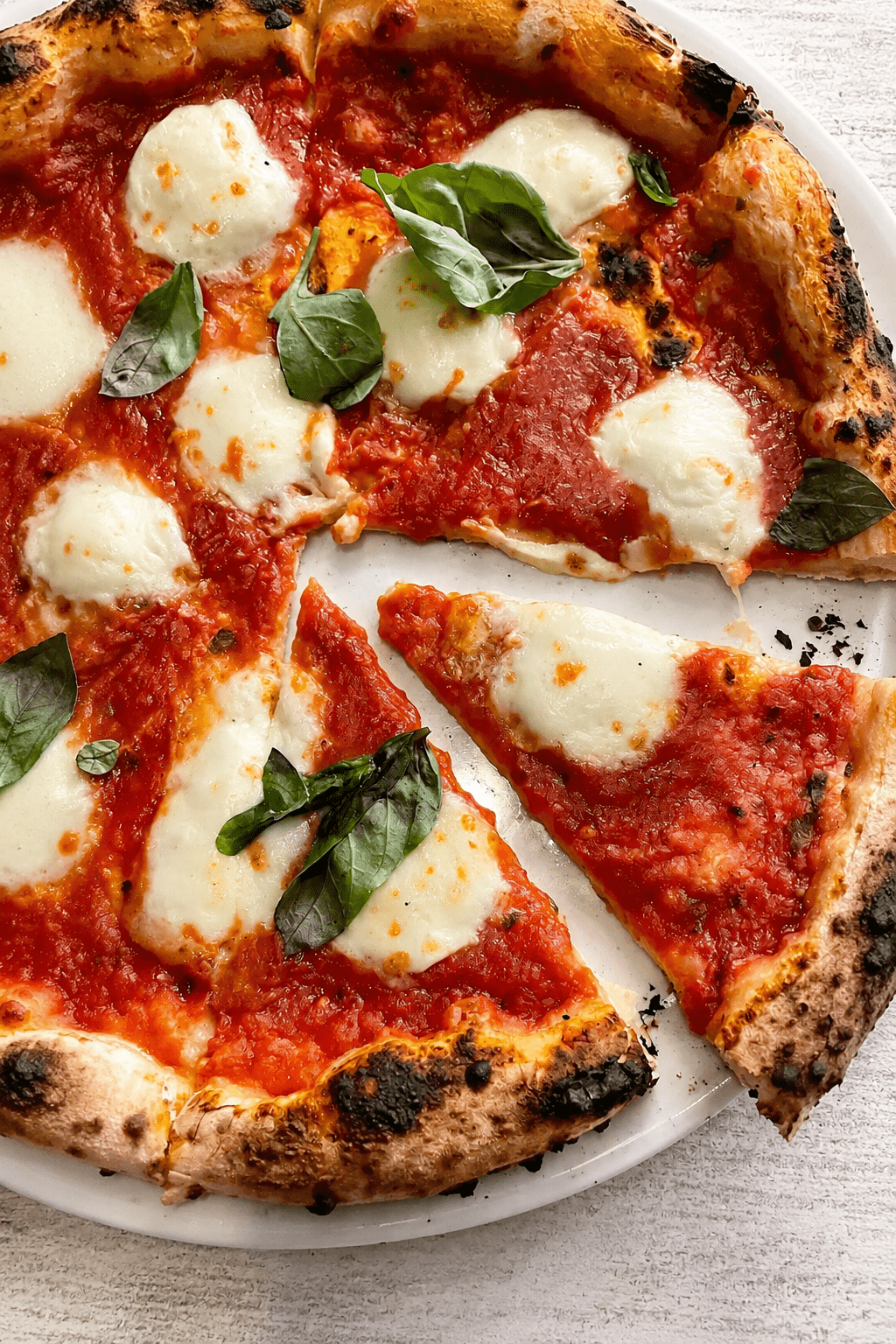
Margherita Pizza is one of the most loved pizzas in the world, and for good reason. It is simple, fresh, flavorful and beautifully balanced. With a soft and airy crust, a bright tomato sauce, creamy melted mozzarella and fragrant basil, this classic Italian-style pizza proves that a few quality ingredients can create an unforgettable meal.
Moreover, Margherita Pizza is perfect for home cooking because it does not require complicated toppings or heavy preparation. Instead, it focuses on the essentials: good dough, a well-seasoned tomato base, fresh cheese and herbs. As a result, every bite feels light, comforting and full of authentic flavor.
In addition, this recipe is ideal for pizza night, family dinners, weekend cooking or even a casual meal with friends. The dough rises slowly, the sauce comes together quickly, and the pizza bakes in just a few minutes at a high temperature. Therefore, even though it tastes like something from a pizzeria, it is completely possible to make it in your own kitchen.
History and Information About Margherita Pizza
Margherita Pizza is deeply connected to Italian culinary tradition, especially the city of Naples. It is often associated with the colors of the Italian flag: red tomato sauce, white mozzarella and green basil. Because of this simple but meaningful combination, Margherita Pizza became a symbol of Italian cooking around the world.
Although pizza existed in Naples before the Margherita version became famous, this particular style gained popularity because of its clean flavors and beautiful presentation. It shows the heart of Italian cuisine, where simple ingredients are treated with care and allowed to shine.
Furthermore, traditional Margherita Pizza is usually baked in a very hot oven, often a wood-fired oven, which creates a soft center and a lightly charred, airy crust. However, home cooks can still achieve a delicious result by preheating the oven to the highest temperature and using a hot baking tray or pizza stone.
Today, Margherita Pizza remains a favorite because it is both classic and timeless. It is not overloaded with toppings, yet it feels rich and satisfying. In addition, it is a great base recipe to master because once you understand the dough, sauce and baking technique, you can easily create many other homemade pizzas.
Ingredients
For 1 large pizza:
For the dough:
- 250 g all-purpose flour or bread flour
- 160 ml warm water
- 1 teaspoon dry yeast
- 1 teaspoon sugar
- & 1 teaspoon salt
- 1 tablespoon olive oil
For the topping:
- 200 g tomato sauce or crushed tomatoes
- 1 garlic clove, minced
- & 1 tablespoon olive oil
- 1 teaspoon dried oregano, optional
- Salt, to taste
- Black pepper, to taste
- 150 g fresh mozzarella, sliced or torn
- Fresh basil leaves
- A little extra olive oil, for finishing
Preparation Step by Step
Step 1: Activate the Yeast
First, pour the warm water into a mixing bowl. Add the dry yeast and sugar, then stir gently. Let the mixture rest for 5 to 10 minutes, until it becomes slightly foamy on the surface.
This step helps confirm that the yeast is active. The sugar gives the yeast something to feed on, while the warm water helps it wake up. However, make sure the water is warm and not hot, because very hot water can kill the yeast and prevent the dough from rising properly.
Step 2: Make the Pizza Dough
Next, add the flour, salt and olive oil to the yeast mixture. Mix everything together until a rough dough forms. At first, the dough may look slightly sticky or uneven, but it will become smoother as you knead it.
If the dough feels too dry, add a small splash of water. On the other hand, if it feels too sticky, add a little flour, one tablespoon at a time. The goal is to create a soft dough that is easy to knead but not overly wet.
Step 3: Knead Until Smooth and Elastic
Then, transfer the dough to a lightly floured surface. Knead it for 8 to 10 minutes, pushing it forward with the palm of your hand, folding it back and turning it regularly.
As you knead, the dough will become smoother, softer and more elastic. This step is important because it develops the gluten, which gives the pizza crust its structure and airy texture. When the dough is ready, it should feel smooth and spring back slightly when pressed.
Step 4: Let the Dough Rise
After kneading, place the dough in a lightly oiled bowl. Cover it with a clean kitchen towel or plastic wrap. Let it rise in a warm place for 1 to 2 hours, or until it has doubled in size.
The rising time may vary depending on the temperature of your kitchen. If the room is warm, the dough may rise faster. However, if the room is cool, it may need more time. During this stage, the yeast creates air bubbles, which help make the crust soft and light.
Step 5: Prepare the Tomato Sauce
While the dough rises, prepare the sauce. In a small bowl, mix the tomato sauce or crushed tomatoes with the minced garlic, olive oil, oregano, salt and black pepper.
Stir well until everything is combined. The sauce should taste fresh, savory and slightly aromatic. If your tomatoes are very acidic, you can add a tiny pinch of sugar to balance the flavor. However, keep the sauce simple because Margherita Pizza is all about clean and classic taste.
Step 6: Preheat the Oven
Next, preheat your oven to the highest temperature, ideally between 240°C and 250°C. Place a baking tray or pizza stone inside the oven while it heats.
This step is essential for a better crust. A very hot surface helps the bottom of the pizza cook quickly and become lightly crisp, while the edges puff up and turn golden. Therefore, allow the oven and tray or stone to heat fully before baking.
Step 7: Shape the Pizza Dough
Once the dough has doubled in size, gently punch it down to release excess air. Transfer it to a lightly floured surface and stretch it into a round pizza shape.
Use your hands rather than a rolling pin if possible, because stretching helps preserve some of the air bubbles in the dough. Keep the edges slightly thicker to create a puffy crust. If the dough resists stretching, let it rest for 5 minutes, then continue shaping.
Step 8: Add the Tomato Sauce
After shaping the dough, carefully place it on parchment paper or a lightly floured pizza peel if using a pizza stone. Spread the tomato sauce over the center of the dough, leaving the edges uncovered.
Do not add too much sauce, because excess moisture can make the pizza soggy. Instead, use a thin and even layer. This allows the crust to bake properly while still giving the pizza a rich tomato flavor.
Step 9: Add the Fresh Mozzarella
Then, place the fresh mozzarella pieces over the sauce. You can slice the mozzarella or tear it into rustic pieces. If the mozzarella is very wet, pat it dry with paper towels before adding it to the pizza.
This small step helps prevent too much liquid from spreading during baking. As the pizza cooks, the mozzarella will melt into creamy, delicious pools over the tomato sauce.
Step 10: Bake the Pizza
Carefully transfer the pizza to the hot baking tray or pizza stone. Bake for 8 to 12 minutes, depending on your oven, until the crust is golden, puffed and slightly charred in some spots.
The cheese should be melted and bubbling, while the edges should look airy and lightly crisp. Because ovens vary, watch the pizza closely near the end of baking to avoid burning it.
Step 11: Finish with Basil and Olive Oil
Once the pizza is baked, remove it from the oven. Immediately add fresh basil leaves on top, then drizzle with a little extra olive oil.
Adding the basil after baking keeps it fresh, fragrant and bright green. Finally, slice the pizza and serve it hot while the cheese is still soft and melted.
Nutritional Information
Margherita Pizza can be a balanced and satisfying meal when made with simple ingredients. The dough provides carbohydrates for energy, while mozzarella adds protein and calcium. Tomato sauce contributes vitamins, antioxidants and natural flavor, while basil and olive oil bring freshness and healthy fats.
Approximate nutrition per serving, based on 4 slices from 1 large pizza, may vary depending on the flour, mozzarella and amount of olive oil used. One serving generally contains around 280 to 360 calories. It may also provide approximately 11 to 15 g of protein, 35 to 45 g of carbohydrates and 9 to 15 g of fat.
For a lighter version, you can use less mozzarella, add more tomato sauce or serve the pizza with a fresh green salad. Additionally, using bread flour can create a chewier crust, while all-purpose flour gives a softer homemade texture.
Overall, Margherita Pizza is best enjoyed as part of a balanced meal. Because the recipe is homemade, you can control the salt, oil and cheese more easily than with many store-bought pizzas.
FAQ
Can I Make the Pizza Dough Ahead of Time?
Yes, you can make the dough ahead of time. After kneading, place it in a lightly oiled bowl, cover it and refrigerate it for up to 24 hours. This slower rise can actually improve the flavor and texture. Before shaping, let the dough come to room temperature for about 30 to 45 minutes.
Can I Use Store-Bought Pizza Dough?
Yes, store-bought pizza dough works well if you want to save time. However, homemade dough gives you more control over texture and flavor. If using ready-made dough, allow it to rest at room temperature before stretching so it becomes easier to shape.
What Is the Best Cheese for Margherita Pizza?
Fresh mozzarella is the classic choice because it melts beautifully and gives the pizza a creamy texture. However, it can release moisture, so it is best to pat it dry before using. You can also use low-moisture mozzarella if you prefer a less watery pizza.
Can I Use Canned Tomatoes for the Sauce?
Yes, canned crushed tomatoes are excellent for pizza sauce. They are convenient, flavorful and easy to season. For the best result, choose good-quality tomatoes and keep the sauce simple with garlic, olive oil, salt, pepper and optional oregano.
Why Is My Pizza Soggy?
A soggy pizza usually happens when there is too much sauce, wet mozzarella or an oven that is not hot enough. To avoid this, use a thin layer of sauce, drain or pat dry the mozzarella and preheat the oven thoroughly. Also, baking on a hot tray or pizza stone helps the crust cook faster.
Can I Add Other Toppings?
Yes, you can add other toppings, but traditional Margherita Pizza is simple. If you want to customize it, try cherry tomatoes, olives, mushrooms or chili flakes. However, avoid adding too many toppings because they can weigh down the dough and make the pizza less crisp.
How Do I Get a Puffy Crust at Home?
To get a puffy crust, knead the dough well, let it rise fully and shape it gently by hand. Also, keep the edges slightly thicker and avoid pressing them flat. Finally, bake the pizza at the highest oven temperature on a hot tray or pizza stone.
Can I Reheat Leftover Margherita Pizza?
Yes, leftovers can be reheated in a hot oven, skillet or air fryer. Avoid microwaving if possible, because it can make the crust soft and chewy. For the best texture, reheat the pizza until the crust becomes warm and slightly crisp again.
Conclusion
Homemade Margherita Pizza is a timeless recipe that combines simplicity, freshness and comfort. With a soft airy crust, rich tomato sauce, melted mozzarella and fragrant basil, it delivers classic Italian-style flavor using only a few basic ingredients. Moreover, it is easy to prepare, enjoyable to customize and perfect for sharing.
Whether you serve it for a family dinner, a weekend pizza night or a casual meal with friends, this Margherita Pizza is always a satisfying choice. Therefore, once you master the dough, sauce and baking method, you can enjoy delicious homemade pizza whenever you want.
Check also:
Lemon Chicken Ricotta Meatballs
Chicken and meat easy Recipes
Suggestions:
- Fluffy Cheese Soufflé Omelette Recipe
- Creamy Broccoli Pesto Spaghetti with Parmesan and Almonds
- Easy Vegetable Rolled Omelet for Healthy Lunchboxes
- Easy Layered Mason Jar Salad for Healthy School Lunches
- Fudgy Banana Brownie Bites with Cocoa and Nut Butter