



Share
Introduction
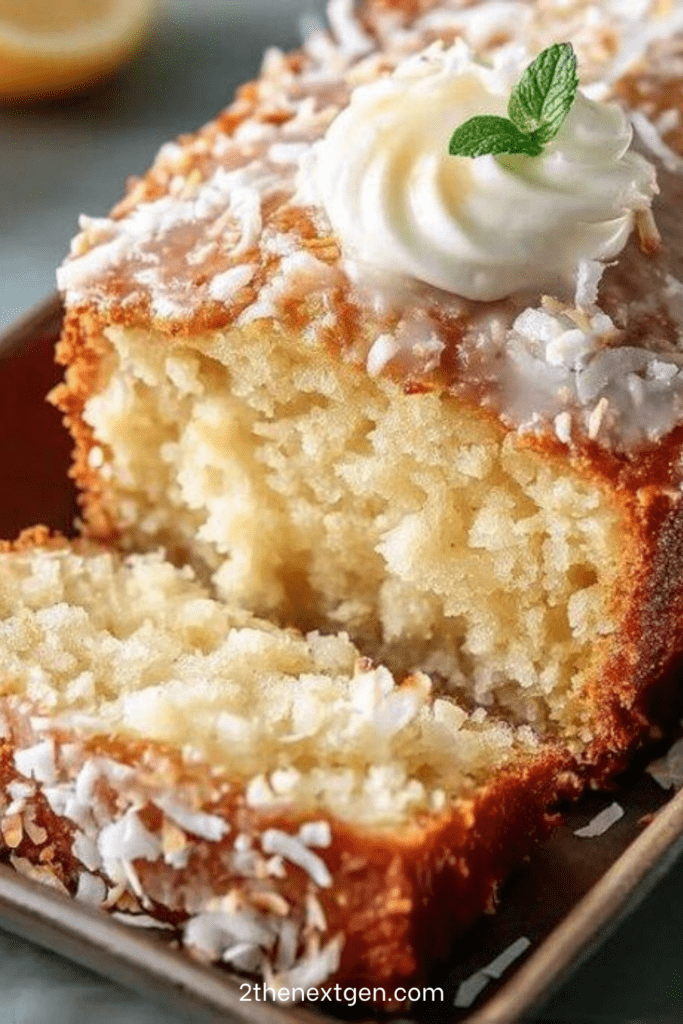
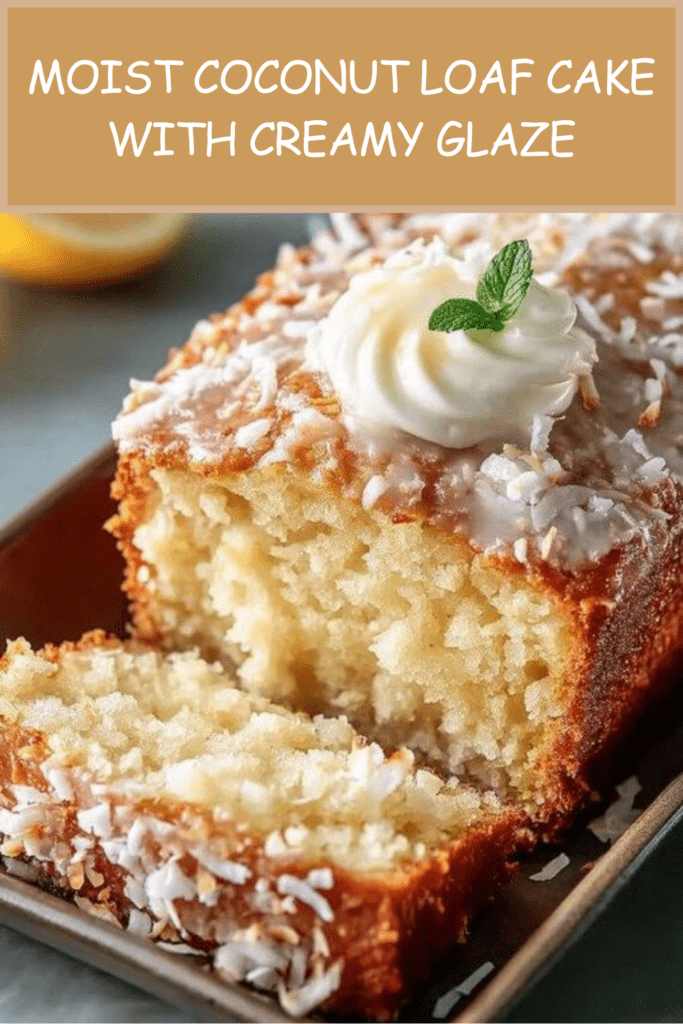
Moist Coconut Loaf Cake with Creamy Glaze is a soft, fragrant, and delicious homemade cake made with shredded coconut, Greek yogurt or sour cream, vanilla, and a smooth sweet glaze. It is simple to prepare, beautifully tender, and perfect for breakfast, dessert, brunch, afternoon tea, or a cozy snack with coffee.
This coconut loaf cake is especially enjoyable because it has a moist crumb and a rich coconut flavor without being too heavy. The Greek yogurt or sour cream helps keep the cake soft, while the shredded coconut adds texture and a delicate tropical taste. In addition, the vanilla extract brings warmth, and the optional coconut extract gives the loaf a stronger coconut aroma.
Moreover, this recipe is easy to make with everyday ingredients. You only need a mixing bowl, a loaf pan, and a few simple steps. The cake bakes into a golden loaf, then cools before being finished with a creamy glaze and extra shredded coconut. As a result, it looks elegant while remaining very simple and homemade.
This loaf cake is also easy to customize. You can use coconut milk instead of regular milk for a stronger flavor, add lemon or lime zest for freshness, or brush the warm cake with sweetened coconut milk for extra moisture. Therefore, if you love easy loaf cakes and coconut desserts, this moist coconut loaf cake is a perfect recipe to try.
History and Information About Coconut Loaf Cake
Loaf cakes are loved because they are simple, practical, and easy to serve. Unlike layered cakes, they do not require complicated decoration or frosting. They are baked in a loaf pan, sliced neatly, and served for many occasions, from breakfast to dessert.
Coconut has been used in desserts around the world for a long time. Its sweet, nutty, and tropical flavor works beautifully in cakes, cookies, puddings, creams, and pastries. In loaf cakes, shredded coconut adds both flavor and texture, giving each slice a slightly chewy and fragrant bite.
The key to a good coconut loaf cake is moisture. Coconut can absorb liquid during baking, so ingredients like Greek yogurt, sour cream, milk, oil, or butter help keep the crumb soft. Greek yogurt and sour cream are especially useful because they add richness and tenderness without making the cake too dense.
This recipe uses vegetable oil or melted butter. Oil gives the softest and most moist texture, while melted butter gives a richer flavor. Both options work well, so the choice depends on whether you prefer a softer loaf or a more buttery taste.
The glaze is a simple finishing touch that makes the cake look beautiful and adds sweetness. Powdered sugar, milk or coconut milk, vanilla, and optional lemon juice create a smooth pourable glaze. When poured over the cooled cake and topped with shredded coconut, it gives the loaf a bakery-style finish.
Today, coconut loaf cake is popular because it is easy, flavorful, and versatile. It can be served plain, glazed, toasted, or paired with whipped cream and fresh fruit.
Ingredients
For the Coconut Loaf Cake
- 220 g all-purpose flour
- 150 g sugar
- 2 eggs
- 120 ml milk
- 100 ml vegetable oil or melted butter
- 120 g Greek yogurt or sour cream
- 1 teaspoon vanilla extract
- 1 teaspoon coconut extract, optional
- & 1 ½ teaspoons baking powder
- ½ teaspoon baking soda
- 1 pinch of salt
- 80 g shredded coconut
For the Creamy Glaze
- 120 g powdered sugar
- 2 to 3 tablespoons milk or coconut milk
- ½ teaspoon vanilla extract
- 1 teaspoon lemon juice, optional
For Topping
- 40 g shredded coconut
- Whipped cream, optional
- Fresh mint, optional
Preparation Step by Step
Step 1: Prepare the Oven and Loaf Pan
First, preheat the oven to 180°C / 350°F. Then, grease a loaf pan and line it with parchment paper.
This step helps the cake release easily after baking. Since coconut loaf cake is moist and tender, parchment paper makes it easier to lift the loaf from the pan without breaking it.
For best results, let a little parchment paper hang over the sides of the pan. This creates handles that help you remove the cake once it has cooled slightly.
Step 2: Whisk the Eggs and Sugar
In a large bowl, whisk the eggs with the sugar until the mixture looks light and smooth.
This helps dissolve the sugar and creates a better cake texture. You do not need to whip the mixture for a long time, but it should be well combined and slightly lighter in color.
Sugar adds sweetness and also helps the cake bake with a soft golden crust.
Step 3: Add the Milk and Oil
Add the milk and vegetable oil or melted butter to the egg mixture.
Mix until smooth. Milk helps soften the batter, while oil or butter adds moisture and richness. If you want the cake to stay very soft for several days, vegetable oil is an excellent choice. If you prefer a richer flavor, melted butter works beautifully.
Make sure melted butter is not too hot before adding it to the eggs, because very hot butter can affect the texture of the batter.
Step 4: Add Greek Yogurt and Flavorings
Add the Greek yogurt or sour cream, vanilla extract, and coconut extract if using.
Mix until everything is well combined. Greek yogurt and sour cream help keep the loaf moist and tender. They also add a subtle richness that balances the sweetness of the cake.
Vanilla extract gives the loaf a warm flavor, while coconut extract creates a stronger coconut taste. If you prefer a softer coconut flavor, you can skip the coconut extract and rely on shredded coconut only.
Step 5: Mix the Dry Ingredients
In another bowl, mix the all-purpose flour, baking powder, baking soda, and salt.
Stir well so the raising agents are evenly distributed. This helps the loaf rise properly and bake with an even crumb.
The pinch of salt is small, but it is important because it balances the sweetness and makes the coconut and vanilla flavors more noticeable.
Step 6: Combine Wet and Dry Ingredients
Add the dry ingredients to the wet mixture.
Mix gently with a spatula or wooden spoon until just combined. Do not overmix the batter. Overmixing can make the cake dense instead of soft.
The batter should look smooth and thick. Once you no longer see dry flour, stop mixing. This gentle method helps keep the loaf tender.
Step 7: Fold in the Shredded Coconut
Add the shredded coconut to the batter and fold it in gently.
The coconut adds flavor, texture, and a light chewiness. Make sure it is evenly distributed throughout the batter so every slice has coconut in it.
Do not mix too strongly after adding the coconut. A light folding motion is enough.
Step 8: Fill the Loaf Pan
Pour the batter into the prepared loaf pan.
Smooth the top with a spatula so the loaf bakes evenly. Do not press the batter down too much. Just spread it gently from corner to corner.
At this stage, the batter should be thick, creamy, and lightly textured from the shredded coconut.
Step 9: Bake the Coconut Loaf Cake
Bake the cake for 45 to 55 minutes, or until a toothpick inserted in the center comes out clean.
The top should be golden, and the cake should feel set in the center. Because loaf cakes are thicker than round cakes, the middle may take time to bake completely.
If the top browns too quickly, cover it loosely with foil during the last 15 minutes. This protects the surface while allowing the inside to finish baking.
Step 10: Cool in the Pan
Let the cake cool in the pan for 10 minutes.
This resting time helps the loaf firm up slightly, making it easier to remove. Since the cake is soft and moist, removing it immediately can cause cracks.
After 10 minutes, lift the loaf out using the parchment paper and transfer it to a wire rack.
Step 11: Cool Completely Before Glazing
Let the coconut loaf cake cool completely before adding the glaze.
This step is very important. If the cake is still warm, the glaze will melt and soak in too much instead of sitting beautifully on top.
Cooling also helps the crumb set, which makes the loaf easier to slice cleanly.
Step 12: Make the Creamy Glaze
In a small bowl, mix the powdered sugar, 2 tablespoons of milk or coconut milk, vanilla extract, and lemon juice if using.
Stir until smooth and pourable. If the glaze is too thick, add a little more milk, one teaspoon at a time. If it is too thin, add a little more powdered sugar.
Using coconut milk gives the glaze a stronger coconut flavor. Lemon juice is optional, but it adds freshness and balances the sweetness.
Step 13: Glaze the Cake
Pour the glaze over the cooled coconut loaf cake.
Let it drip naturally over the top and sides. This gives the loaf a simple, pretty finish without needing frosting.
Use a spoon or small spatula to guide the glaze if needed. The glaze should look creamy, smooth, and slightly glossy.
Step 14: Decorate with Coconut
Sprinkle shredded coconut over the glaze before it sets.
This adds texture, flavor, and a beautiful white topping. You can use regular shredded coconut or lightly toasted coconut if you want a deeper flavor and golden color.
For a more elegant presentation, add a little whipped cream and a small mint leaf when serving each slice.
Step 15: Slice and Serve
Let the glaze set for a few minutes, then slice the cake with a sharp knife.
Serve at room temperature with coffee, tea, milk, or a fresh drink. This cake is delicious as a soft coconut dessert, a sweet breakfast treat, or an afternoon snack.
For extra moisture, you can brush the warm cake with a little sweetened coconut milk before adding the glaze. However, let the cake cool completely before glazing.
Nutritional Information
The following nutritional values are approximate and may vary depending on the type of milk, oil or butter, yogurt, glaze amount, and slice size used.
For one slice, based on 10 slices:
Calories: approximately 280 to 390 kcal
Protein: approximately 5 g
Carbohydrates: approximately 42 g
Fat: approximately 12 to 20 g
Sugar: approximately 25 g
Fiber: approximately 2 g
Sodium: varies depending on baking powder, baking soda, and added salt
Moist coconut loaf cake is a sweet homemade dessert that provides carbohydrates from flour and sugar, moisture from yogurt and milk, and richness from oil or butter. Shredded coconut adds texture, flavor, and a little fiber.
To make the cake slightly lighter, reduce the glaze, use Greek yogurt, and choose oil instead of extra butter. To make it richer, use coconut milk, melted butter, and serve with whipped cream.
FAQ
Can I Use Coconut Milk Instead of Regular Milk?
Yes, coconut milk works very well and gives the cake a stronger coconut flavor. You can use it in both the cake batter and the glaze.
Can I Use Sour Cream Instead of Greek Yogurt?
Yes, sour cream can replace Greek yogurt. Both ingredients keep the cake moist and tender. Sour cream gives a slightly richer flavor, while Greek yogurt is a little lighter.
Can I Use Butter Instead of Oil?
Yes, melted butter can be used instead of vegetable oil. Butter gives a richer flavor, while oil keeps the cake softer and more moist for longer.
Why Is My Coconut Loaf Cake Dry?
The cake may become dry if it is overbaked or if too much flour is added. Measure the flour carefully and check the cake near the end of baking.
Can I Add Lemon or Lime Zest?
Yes, lemon zest or lime zest works beautifully with coconut. Add it to the wet ingredients for a fresh tropical flavor.
Can I Toast the Coconut for the Topping?
Yes, toasted coconut adds a deeper flavor and a slightly crunchy texture. Toast it lightly in a dry pan or oven, then let it cool before sprinkling over the glaze.
Can I Make This Cake Ahead of Time?
Yes, this cake can be made one day ahead. Store it covered at room temperature or in the refrigerator, then glaze it before serving for the freshest look.
How Do I Store Coconut Loaf Cake?
Store the cake covered at room temperature for up to 2 days, or in the refrigerator for up to 5 days. Let it come to room temperature before serving for the softest texture.
Can I Freeze Coconut Loaf Cake?
Yes, you can freeze the loaf without the glaze for best results. Wrap it tightly and freeze for up to 2 months. Thaw completely, then add the glaze before serving.
What Can I Serve with Coconut Loaf Cake?
This cake pairs well with coffee, tea, whipped cream, vanilla ice cream, fresh berries, pineapple slices, mango, or a drizzle of coconut cream.
Conclusion
Moist Coconut Loaf Cake with Creamy Glaze is a soft, fragrant, and easy homemade dessert with shredded coconut, Greek yogurt or sour cream, vanilla, and a smooth sweet glaze. It is simple enough for everyday baking but pretty enough to serve for guests.
The key to the best texture is to mix the batter gently, avoid overbaking, cool the cake completely before glazing, and use yogurt or sour cream for moisture. As a result, the loaf stays tender, flavorful, and easy to slice.
Serve it at room temperature with coffee, tea, whipped cream, or fresh fruit. With its creamy glaze and coconut topping, this loaf cake is a delicious treat for any occasion.

Check also:
Lemon Chicken Ricotta Meatballs
Chicken and meat easy Recipes
Suggestions:
- Crispy Garlic Parmesan Fries Baked to Golden Perfection
- Creamy Tomato and Roasted Red Pepper Fusilli Recipe
- Juicy Grilled Beef Kofta Recipe with Creamy Yogurt Sauce
- Easy Ground Beef Fried Rice with Mixed Vegetables Recipe
- Moist Date and Walnut Loaf with Honey Glaze Recipe